
Last updated November 22, 2026
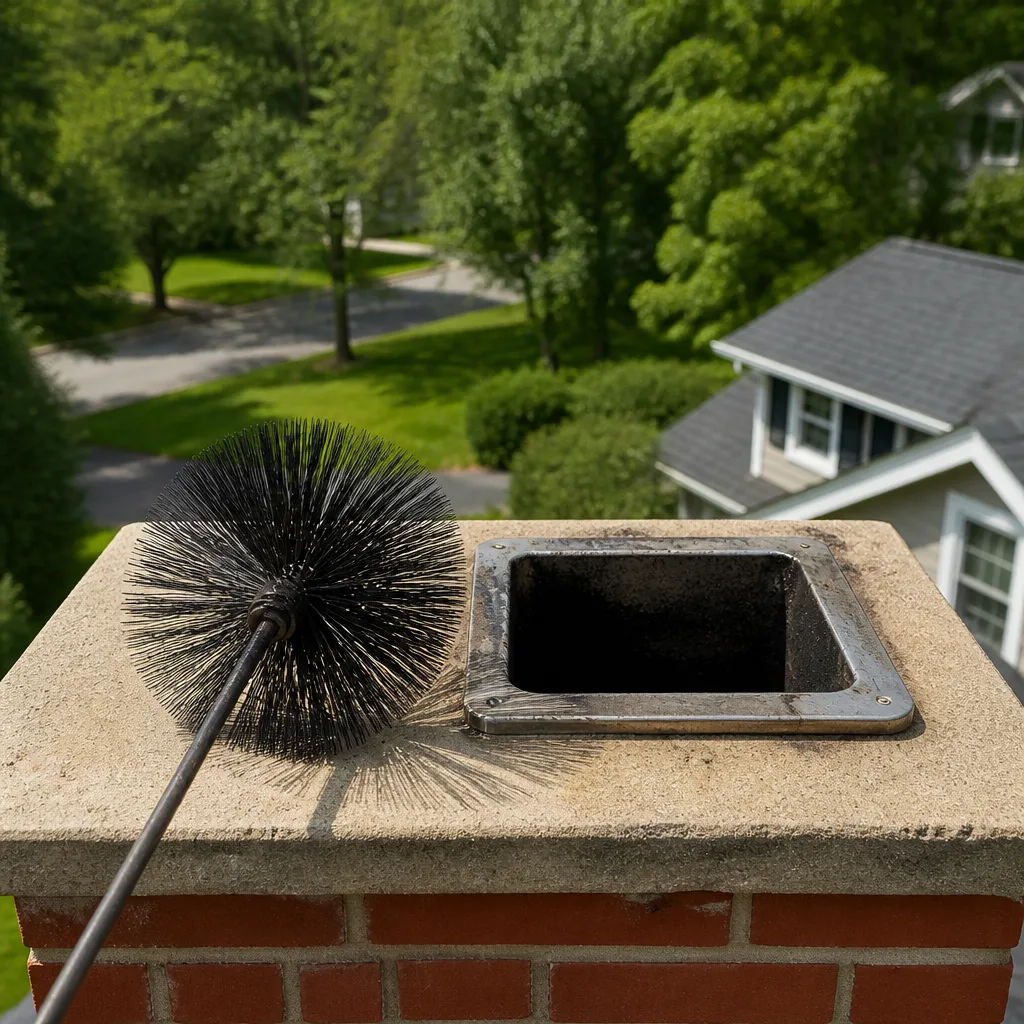 Sweep & inspection
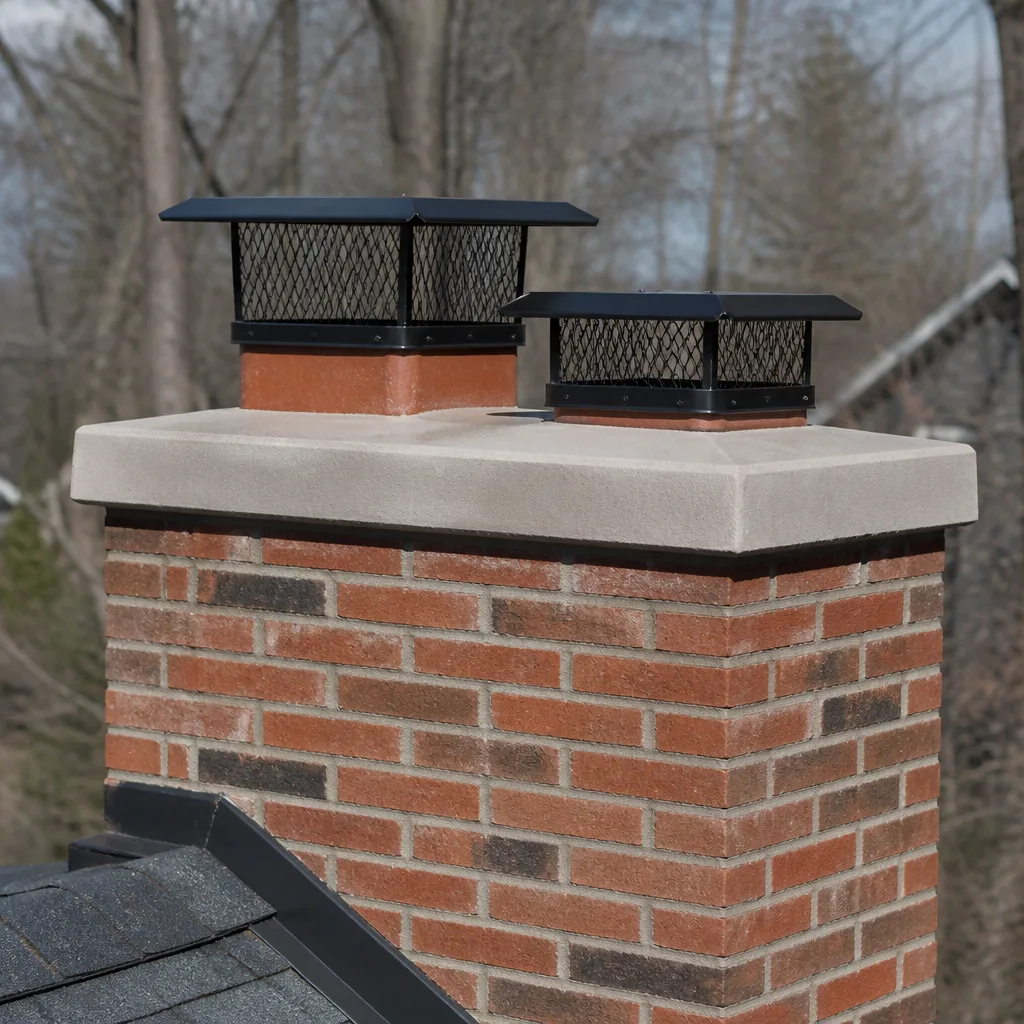 Caps & crowns
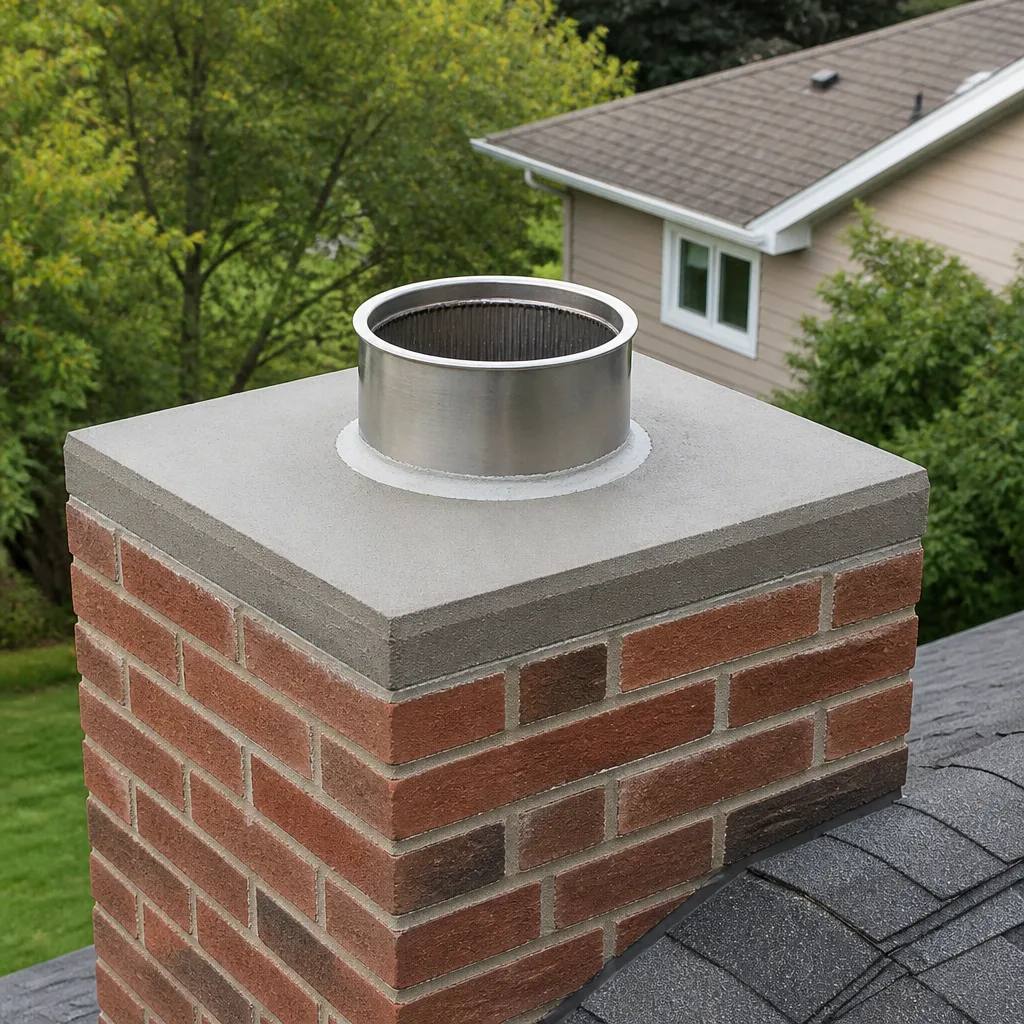 Flue relining
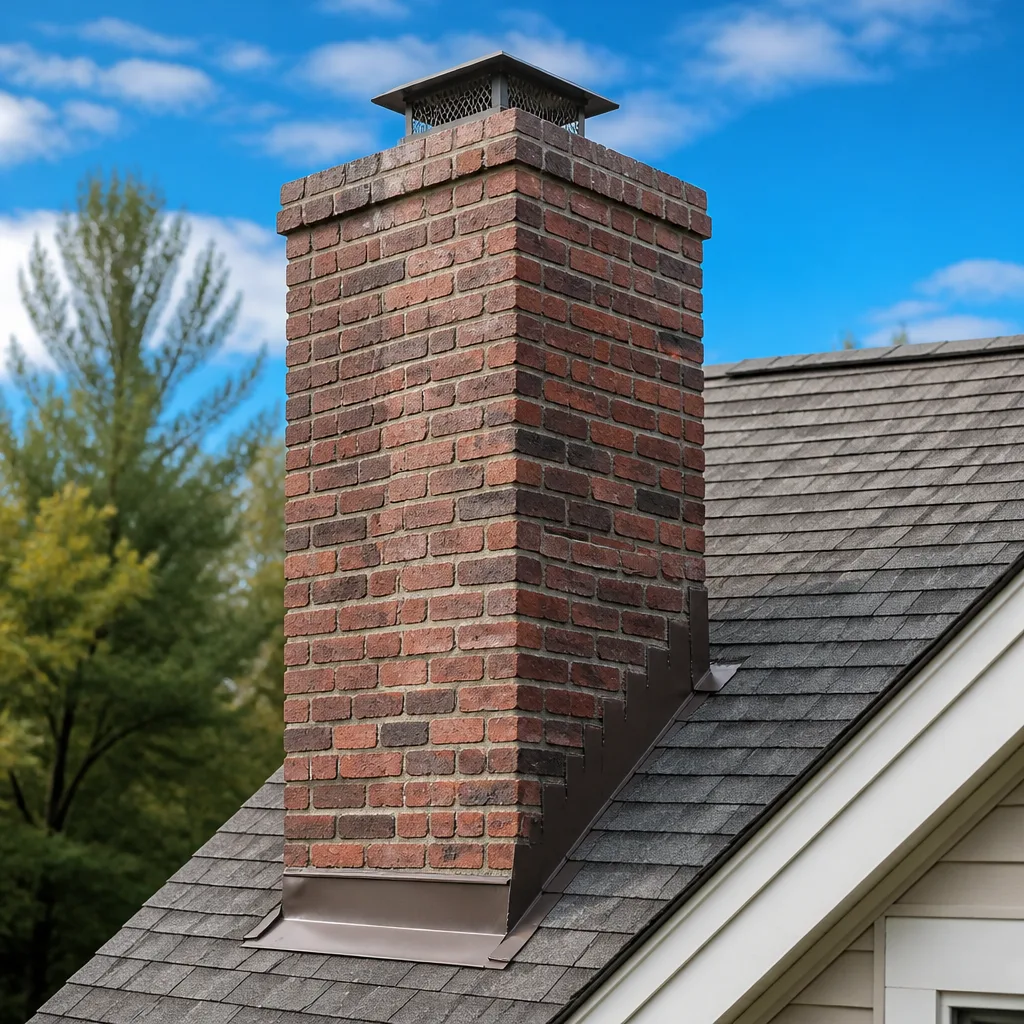 Masonry repair
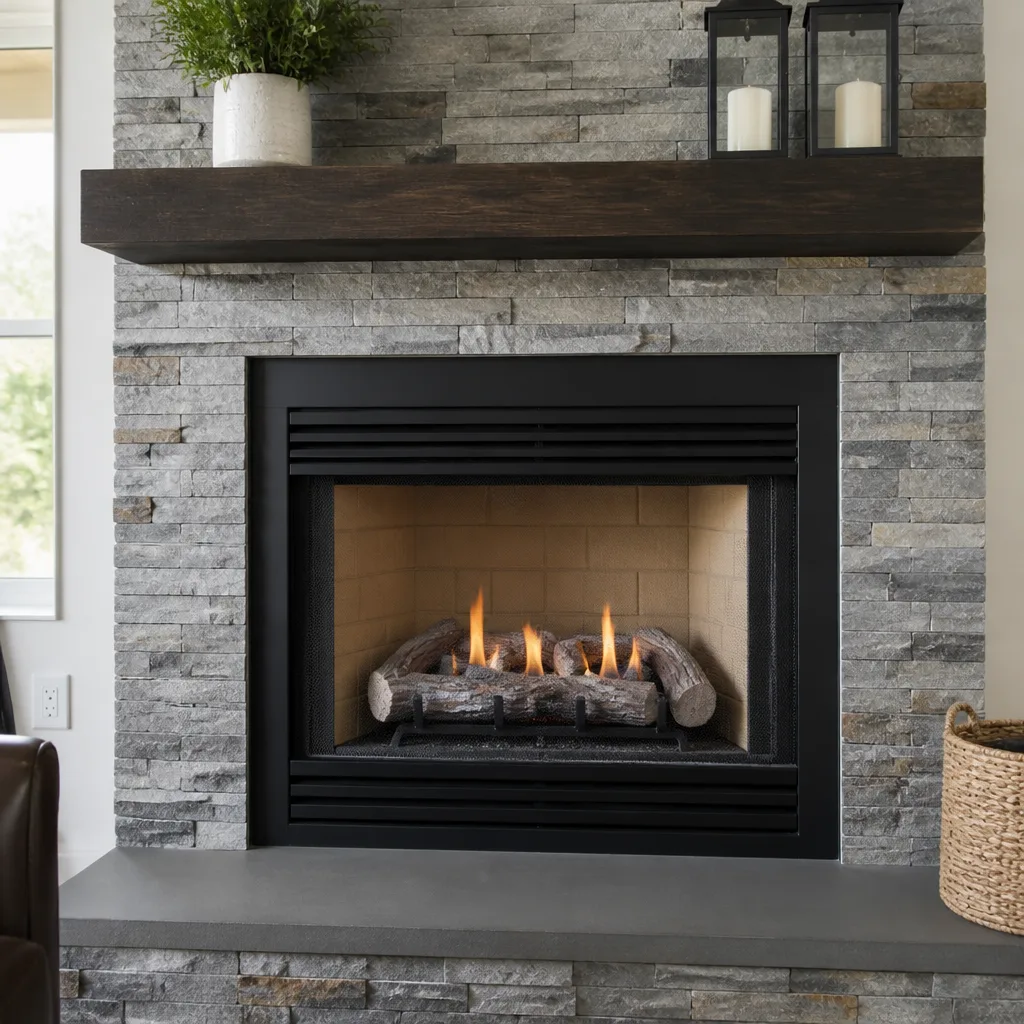 Gas fireplace service
Level 1 sweep and inspection to the NFPA 211 annual standard - flue, crown, cap, and flashing checked and photographed
Chimney sweep logs do not sweep chimneys. They loosen some creosote - which then falls where a brush and vacuum still have to collect it.
Chimney Cleaning Cost Breakdown: The Kensington Homeowner’s Reference for 2026
Two quotes land in your inbox. One says $99. The other says $350. Both call themselves a chimney sweep, and both promise to clean the same fireplace. If you assume the difference is pure markup, you’d be wrong. In our experience, those two numbers usually describe two different jobs: one is a brush-down of the flue, and the other is a full system check with documentation you can actually use. The cheap quote isn’t necessarily a bad deal, but it frequently skips the inspection steps that catch a cracked liner or a blocked cap before they turn into structural work. This guide breaks a Kensington chimney cleaning down line by line, explains what drives the price up or down, and shows you how to compare two bids that look nothing alike.
Quick Answer
A standard chimney cleaning in Kensington typically runs $150 to $350 for a wood-burning flue, depending on creosote stage, flue length and roof access. A gas or oil flue sweep usually costs less, around $100 to $200, because there’s no creosote to remove. When inspection, a camera scan and a written photo report are bundled in, you’re often looking at $250 to $450 total. The written estimate always sets the final price.
Styles & brands we work with
- Sweep & inspection
- Caps & crowns
- Flue relining
- Masonry repair
- Gas fireplace service
Table of Contents
- Why Chimney Cleaning Prices Vary So Much in Kensington
- The Line-Item Breakdown: What You’re Actually Paying For
- Legitimate Findings vs. Fear-Based Upsells
- How Your Chimney Type Changes the Price
- What Drives Cost Up in Kensington Homes
- How to Compare Two Chimney Cleaning Quotes
- Common Mistakes to Avoid
- When to Call a Professional
Why Chimney Cleaning Prices Vary So Much in Kensington
The single biggest reason chimney cleaning costs swing so widely is scope, not skill. A sweep can mean a 20-minute brush pass on an open flue, or it can mean a full top-to-bottom assessment with a camera pushed up the liner, a creosote grading, a check of the crown and cap, and a printed report with photos. Those are different jobs, and they’re priced differently for a reason.
In Kensington, the housing stock adds another layer. The neighborhood includes a lot of older homes with masonry chimneys of varying condition, some converted to gas, some running wood inserts, and quite a few that haven’t been serviced in years. A chimney on a 1920s rowhouse with a long flue and a steep roof pitch takes more access work than a short, easily reached flue. That access time shows up in the quote.
The second factor is what the technician finds. Creosote builds in stages. Stage one is a light soot that brushes off easily. Stage two is a glazed, flaky deposit that needs more mechanical work. Stage three is a hardened, tar-like coating that brushes won’t touch and requires chemical or rotary methods. When we quote a sweep, we’re often quoting the expected stage, and the written estimate confirms the price once the technician actually sees the flue.
Here’s the point worth holding onto: a $99 sweep and a $350 sweep are rarely the same service. The cheap one usually cleans the flue and stops. The higher one cleans the flue and inspects the whole system, which is where you learn about the problem that would have cost far more to fix six months later. That’s why professional-grade brands like HeatShield and DuraFlex enter the picture at the repair stage, not the cleaning stage.
The Kensington market also matters in a practical way. Fireplaces here get heavy seasonal use from late fall into early spring, which means creosote accumulates faster than in a milder climate. A chimney that gets a real workout every winter deserves a proper inspection, not just a brush. If you’re unsure what your own chimney is doing, a professional chimney sweep in Kensington will show you the condition directly rather than guess.
The Line-Item Breakdown: What You’re Actually Paying For
This is the section homeowners should read first, because it’s the part most quotes gloss over. A chimney cleaning is a bundle of separate tasks. When a bid comes in low, it’s usually because some of these line items are missing, not because you got a bargain on the same work.
A standard sweep covers:
- Brushing or mechanically cleaning the flue to remove soot and loose creosote.
- Cleaning the firebox and the smoke shelf.
- A visual check of the firebox, damper and accessible flue from the bottom.
- Clearing the flue cap and checking the termination area from the roof.
What inspection, camera scan and documentation add:
- Camera scan of the liner. A video camera run up the flue reveals cracks, gaps and creosote glazing that a visual look from the firebox will miss. This is what tells you whether the liner is intact.
- Crown and cap assessment. The crown (the concrete top around the flue) and the cap (the cover over the flue) are the most common entry points for water. Water damage is the leading cause of chimney deterioration, so this inspection earns its keep.
- Creosote grading. The technician identifies the creosote stage so you know whether the flue is safe to use or needs more than a sweep.
- Written report with photos. A report you can keep, show to a second bidder, or hand to your insurer. This is the documentation line item, and it’s what separates an inspection from a look-see.
When we put a quote together, each of those items has a reason attached. If the flue is open and clear and the creosote is light, a simple sweep might genuinely be all you need. If the camera shows glazing or a cracked liner joint, that’s a finding, and findings get reported with evidence rather than a sales pitch. A thorough chimney repair conversation starts with that evidence, and it’s fair to ask any company to show you the photos before recommending structural work.
For a Kensington homeowner budgeting this out, the practical takeaway is that you’re paying for two distinct things: the cleaning, and the knowledge. The cleaning keeps the flue clear. The knowledge tells you what condition the rest of the system is in. Both belong on the invoice.
Legitimate Findings vs. Fear-Based Upsells
The hesitation most homeowners feel is real and reasonable: how do you know whether the liner recommendation is a genuine safety issue or a commission-driven upsell? You don’t have to take anyone’s word for it. You have to see the evidence. Here’s how to tell the difference.
Findings that are legitimate:
- A cracked or missing liner tile shown to you on camera. A damaged liner can let heat and gases reach combustible framing, and a flue that can’t contain the smoke is a safety problem. This one is documented, not asserted.
- A damaged crown or missing cap with visible cracking or a clear gap. Water intrusion is the leading cause of chimney deterioration, and a cap or crown repair addresses it directly. A chimney cap & crown repair is often modest compared to the structural damage water causes over years.
- Stage-two or stage-three creosote that brushes won’t remove. This is a fire hazard, and the grading is objective.
- An unlined or improperly sized flue that doesn’t meet NFPA 211 guidance. Code compliance is a legitimate finding, and relining with DuraFlex or an Olympia Chimney system is a real fix, not a cosmetic patch.
Upsell patterns to watch for:
- A liner recommendation with no camera evidence and no photo report.
- Pressure to sign the same day, before you’ve had a chance to think or get a second opinion.
- A quote that jumps from “your flue looks dirty” to a full rebuild without showing what failed.
- Vague claims that “code requires” work, with no code reference and no written detail.
One useful rule: a company confident in its findings will gladly let you see the camera footage and will tell you plainly when work can safely wait a season. If something can wait, we say so. If it can’t, we show the photo. That’s a fair standard to hold any chimney company to in Kensington, and it’s how you separate a genuine repair from pressure.
How Your Chimney Type Changes the Price
The fuel and the setup in your fireplace change the scope of the cleaning, and therefore the price. It’s not a markup for a fancier chimney; it’s about what actually has to be removed and checked.
Wood-burning masonry chimney
This is the most common setup in Kensington, and the most involved. Wood produces creosote, and creosote is the material that has to be brushed, graded and, in higher stages, mechanically or chemically removed. A masonry flue also needs the crown and cap checked, since masonry absorbs water. Expect the $150 to $350 range for the cleaning, with the higher end for longer flues, steeper roofs and heavier creosote.
Gas fireplace
A gas flue produces far less soot and no creosote in the traditional sense, so the cleaning itself is quicker and cheaper, often $100 to $200. The important work is venting and inspection: the liner, the termination and the connection all need checking, and a gas insert has its own service requirements. Don’t mistake a cheaper gas sweep for a less important one; the hazards are different, not absent.
Oil flue
An oil appliance vents differently again, and the cleaning is typically a service-visit task rather than a creosote removal job. Pricing tends to fall in the gas range, with the inspection focused on the flue’s integrity and the appliance connection.
Wood insert
An insert sits inside the firebox and changes the access path. The technician has to work around the unit, and the flue itself is often a stainless liner that needs a proper camera check and, if damaged, relining. Inserts sometimes narrow the flue, which affects draft, so the inspection is as much about performance as cleanliness. Relining with a DuraFlex system or an Olympia Chimney liner is a common solution when an insert’s liner is past its service life.
The takeaway: two Kensington homes on the same street can have quote differences of a hundred dollars or more simply because one runs an open wood fireplace and the other runs a gas insert. Scope follows the chimney type.
What Drives Cost Up in Kensington Homes
Beyond the cleaning itself, several site-specific factors change what a job involves. These are the details a good quote will mention and a thin quote will ignore.
- Flue length. A taller chimney means more brushing distance and more time on the roof. In older Kensington homes with long flues, this is a real driver.
- Roof accessibility. Steep pitches, tight lot lines and limited roof access increase the time and care a technician needs to work safely. That access work is part of the estimate.
- Creosote stage. Light soot is a quick brush. Stage-two glazing needs rotary work. Stage-three tar is a bigger removal job. The stage determines how much mechanical effort the flue demands.
- Liner condition. If the liner is cracked or unlined, the cleaning and inspection are followed by a repair conversation. A HeatShield resurfacing system may address a liner that’s still structurally sound but worn at the joints, while a full DuraFlex reline handles a liner that needs replacing. The right option depends on the chimney’s actual condition, not a one-size-fits-all answer.
- Crown and cap condition. A failing crown or missing cap adds waterproofing and repair work to the visit, and usually saves money compared to waiting for water damage to spread.
- Debris and blockages. A flue blocked by leaves or a nesting animal needs clearing before it can be swept, which adds time.
Kensington’s seasonal rhythm matters here too. The region sees real winters, so wood-burning fireplaces get steady use and creosote builds over the season. Late fall, before the burning season starts, is when most homeowners book a sweep, and it’s the practical window to catch problems before they affect a heating season rather than during one. If you want the flue inspected well ahead of the cold, book before the rush.
We specify professional-grade materials because your chimney vents fire, and the choice of HeatShield, Gelco or Olympia Chimney parts should follow the inspection, not precede it. A quote that starts with the repair and works backward is a red flag; a quote that starts with what the camera saw is how it should go.
How to Compare Two Chimney Cleaning Quotes
When two bids for the same chimney look wildly different, you’re comparing apples to oven doors unless you normalize them. Here’s the method we’d use if we were homeowners comparing bids in Kensington.
- Line up the scope. Put both quotes side by side and list what each one actually includes: flue brush-down, firebox cleaning, camera scan, crest grading, crown and cap check, written report. The services on one list and not the other explain most of the price gap.
- Ask what “inspection” means to each bidder. A visual look from the firebox and a full camera scan are not the same thing. Make both quotes define it.
- Confirm the estimate is in writing. The written estimate should set the final price, and it should match the scope you agreed to. A verbal range that grows on the day isn’t comparable to a fixed written price.
- Check the camera and photo evidence. Ask whether the visit includes a photo report. A company that provides one is giving you a record you can verify, keep and share. A company that recommends a liner without evidence is asking you to trust a recommendation you can’t check.
- Ask about the liner question directly. If one bidder says you need a new liner and the other says you don’t, the deciding factor is the camera scan, not the number. A chimney repair decision should be tied to what the lens shows.
- Look at what happens after the sweep. A sweep-only service can’t address a structural finding; a full-system specialist can sweep, inspect, repair the cap and crown, reline, and handle fireplace repair under one company, so you’re not handed off mid-job. That continuity matters when the flue turns out to need more than a brush.
Kensington homeowners tell us the cheapest quote often turns out to be the least complete, and the difference only shows up when the next problem surfaces. The goal isn’t to pick the highest bid. It’s to compare like with like. Two $300 quotes that list the same scope are easy to weigh. A $99 quote next to a $350 quote usually isn’t the same job, and once you line up the scopes, the gap stops looking arbitrary.
Common Mistakes to Avoid
- Buying the cheapest sweep and assuming it’s the same job. A low price usually means a narrower scope, and the inspection you skipped is often the part that would have caught a real problem early.
- Accepting a liner recommendation without seeing the evidence. Ask for the camera scan and the photos. If the finding is real, the technician can show you. If it isn’t, they can’t.
- Skipping the crown and cap check because the flue looks clean. Water intrusion through a failing crown or missing cap is the leading cause of chimney deterioration, and it happens whether or not the flue is clean.
- Putting off the annual sweep during heavy burning years. In Kensington’s cold seasons, fireplaces work hard and creosote builds. Deferring the clean means deferring the check, too.
- Treating a gas fireplace as maintenance-free. Gas doesn’t produce the same creosote as wood, but the liner and venting still need inspecting, and a gas flue problem is easy to miss without a proper check.
- Getting one quote and treating it as the market rate. Prices in Kensington swing with chimney type, flue length, access and creosote stage. Two quotes on the same chimney will rarely match exactly.
- Letting a company book the repair before you understand the cleaning. Understand what the sweep found first. Repair decisions should follow inspection, not lead it.
When to Call a Professional
Some chimney tasks are routine, and some aren’t safe to touch. Call a professional when you’re seeing smoke back-drafting into the room, when you notice a strong creosote smell on warm days, when there’s visible damage to the crown or a missing cap, or when it’s simply been more than a year since the last inspection. If your fireplace vents into an older unlined flue, or you’ve recently switched from wood to gas, a checked visit is worth it. One safety note we never skip: creosote is highly combustible, and a flue that has accumulated heavy deposits is a genuine fire hazard. Clearing that, and inspecting a damaged liner, is not a do-it-yourself job; it’s work for a trained technician. Chimney Sweep Kensington offers free estimates in Kensington – call (855) 974-3360 to book an inspection and see the flue’s condition for yourself.
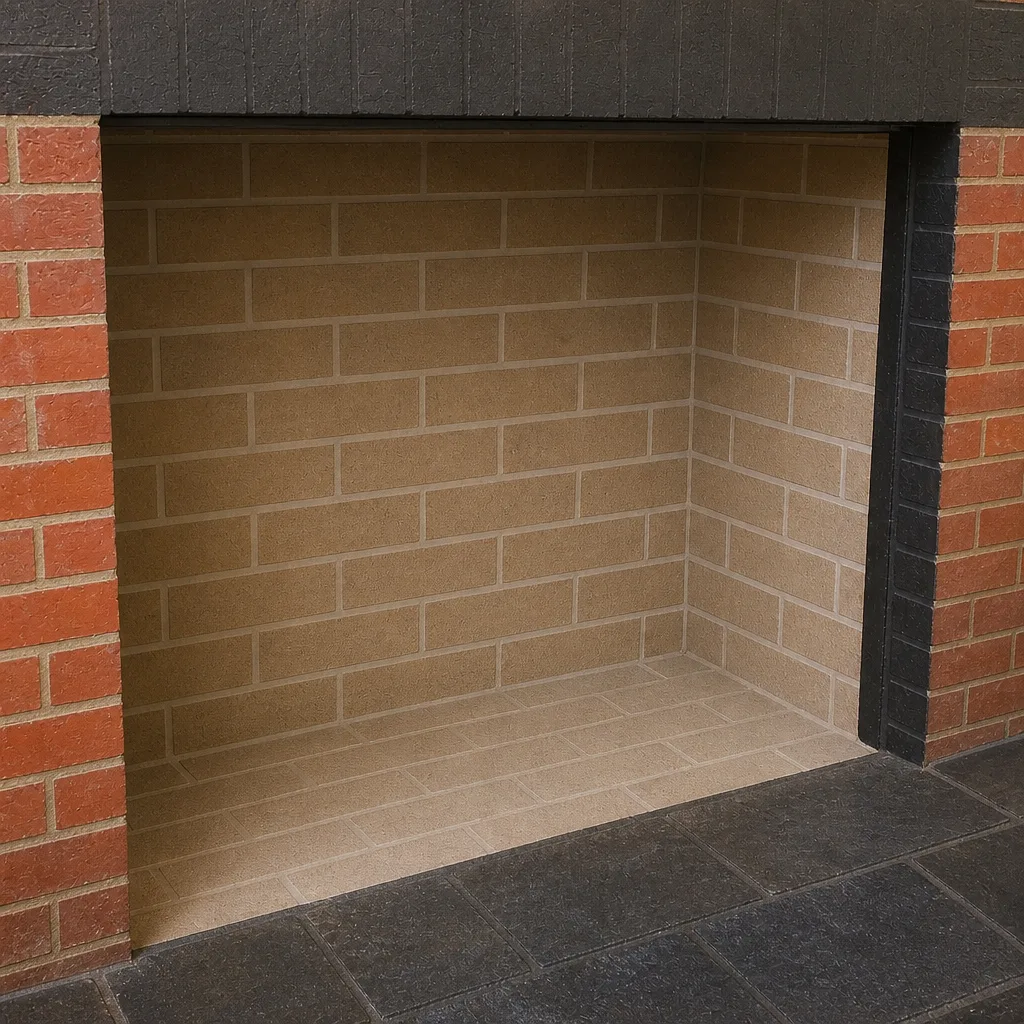
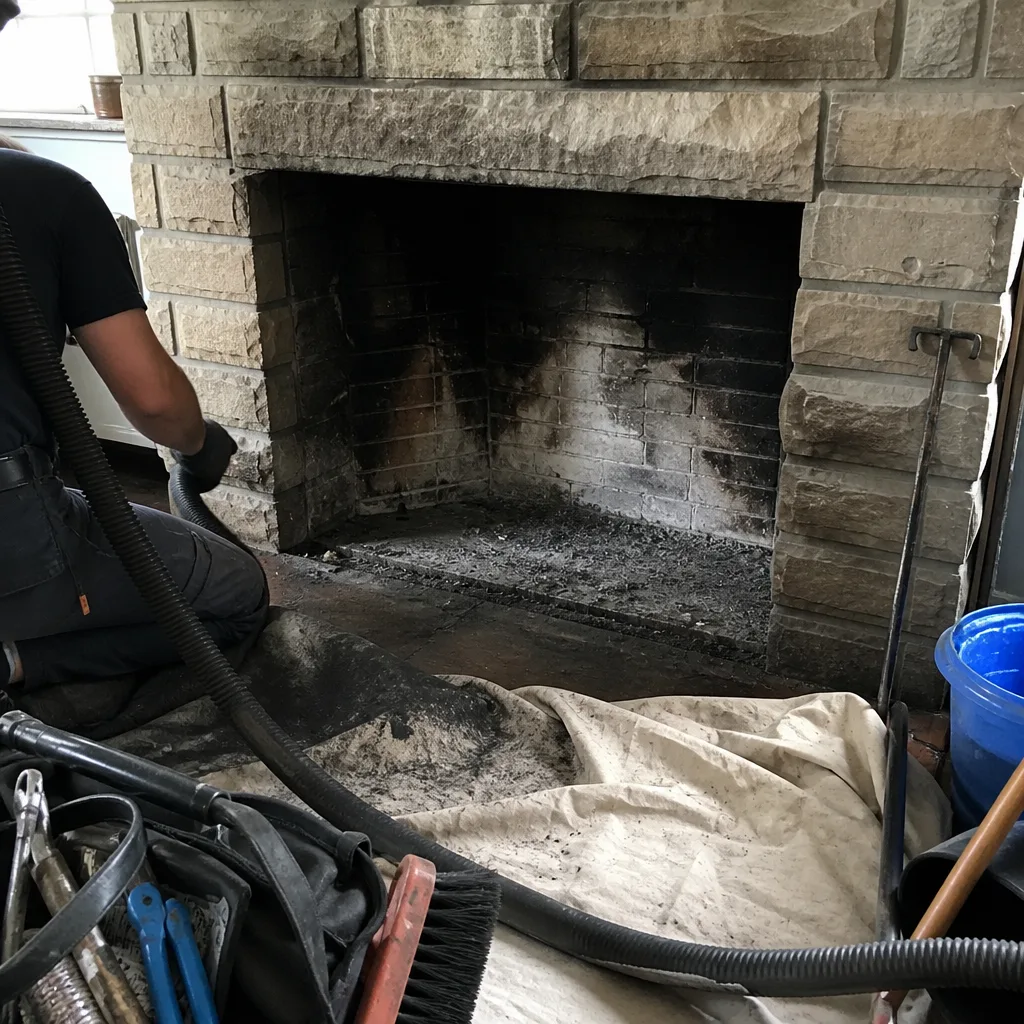
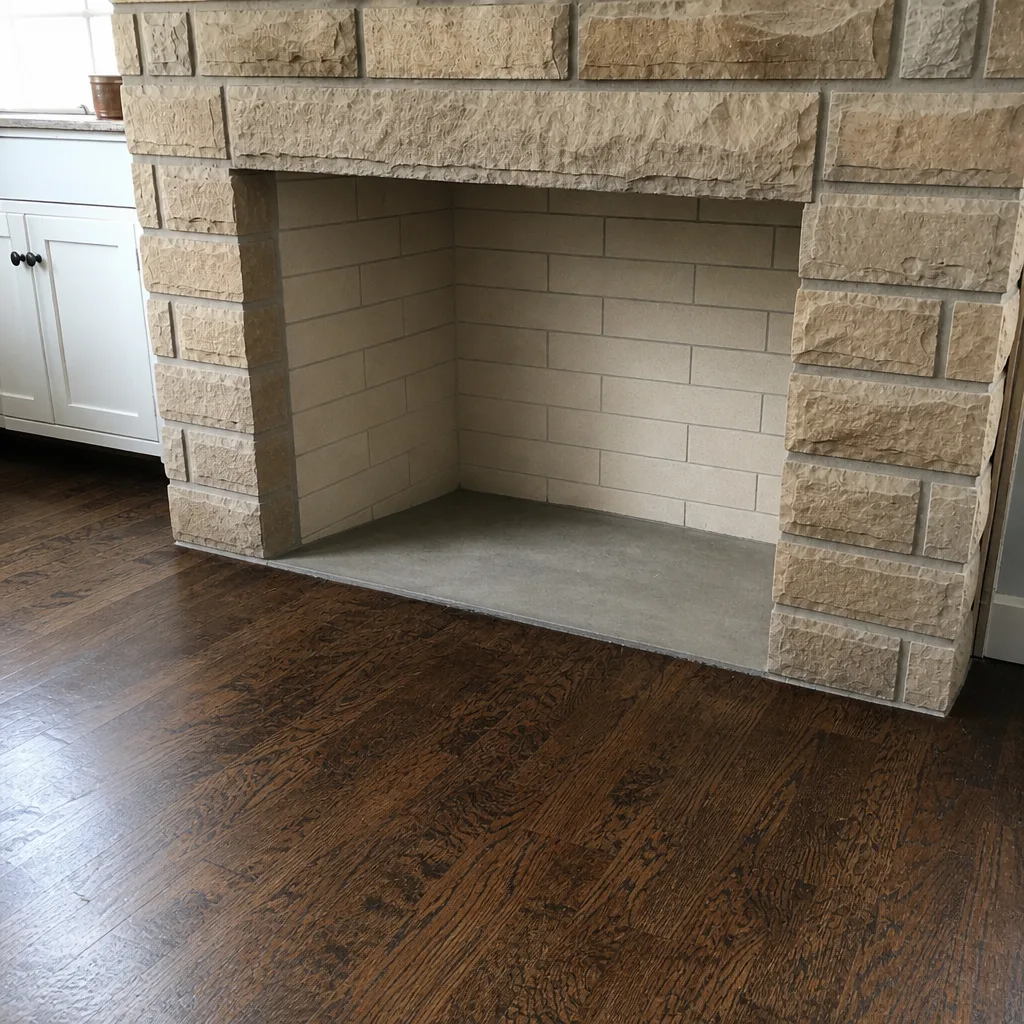
See the difference
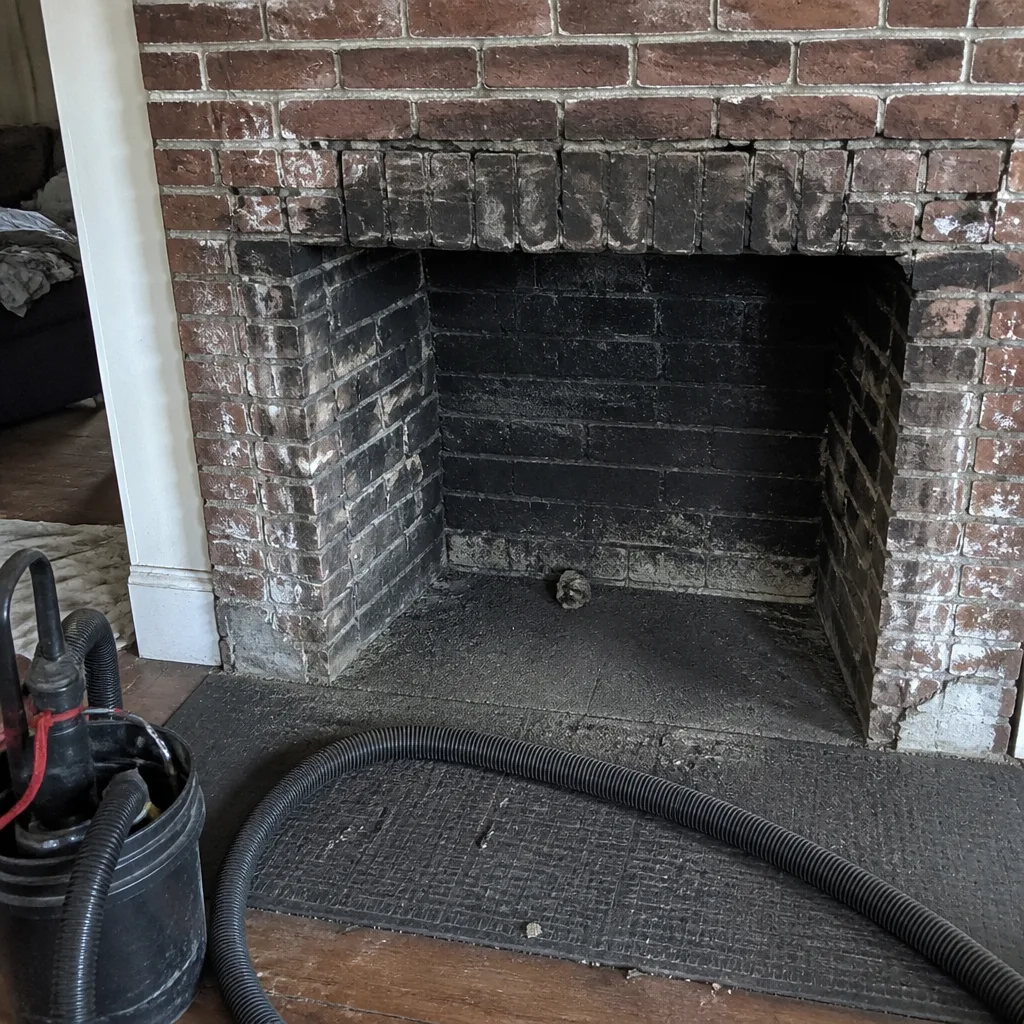 Before
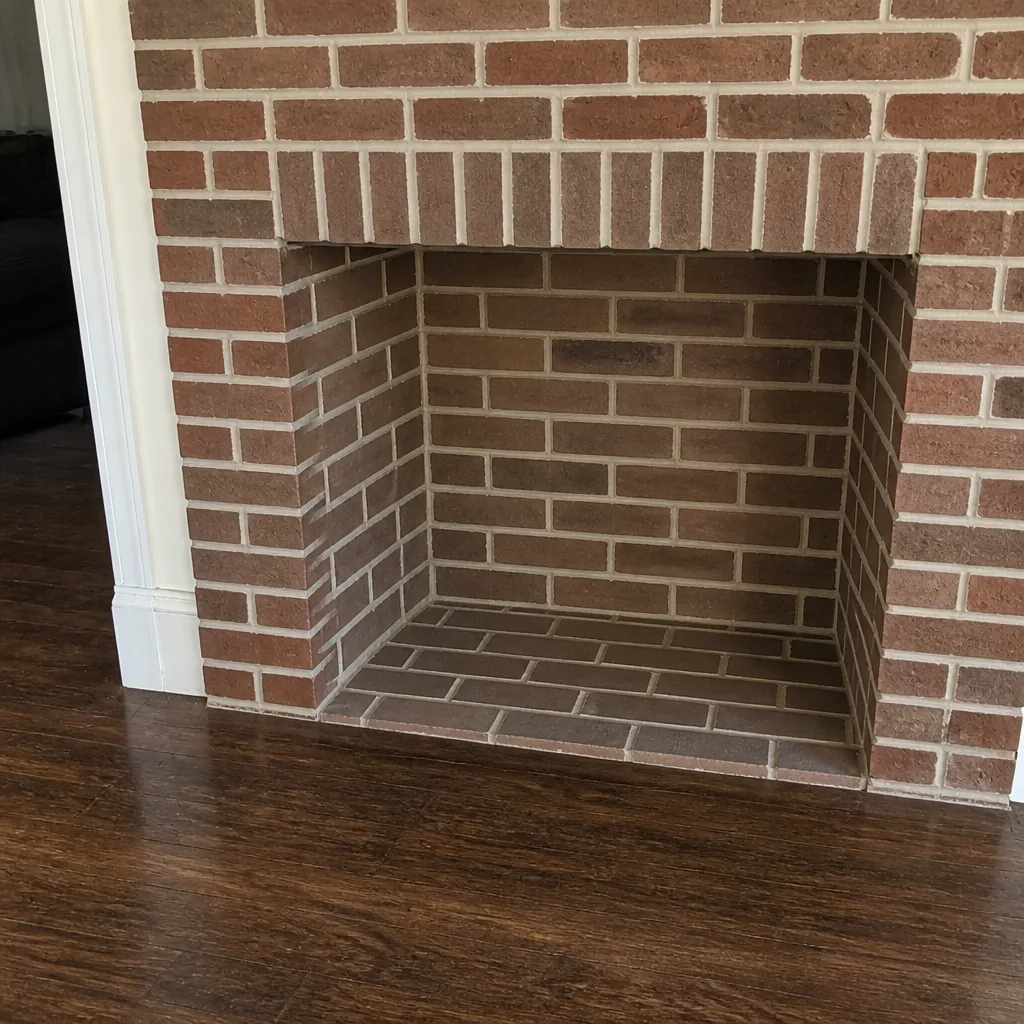 After
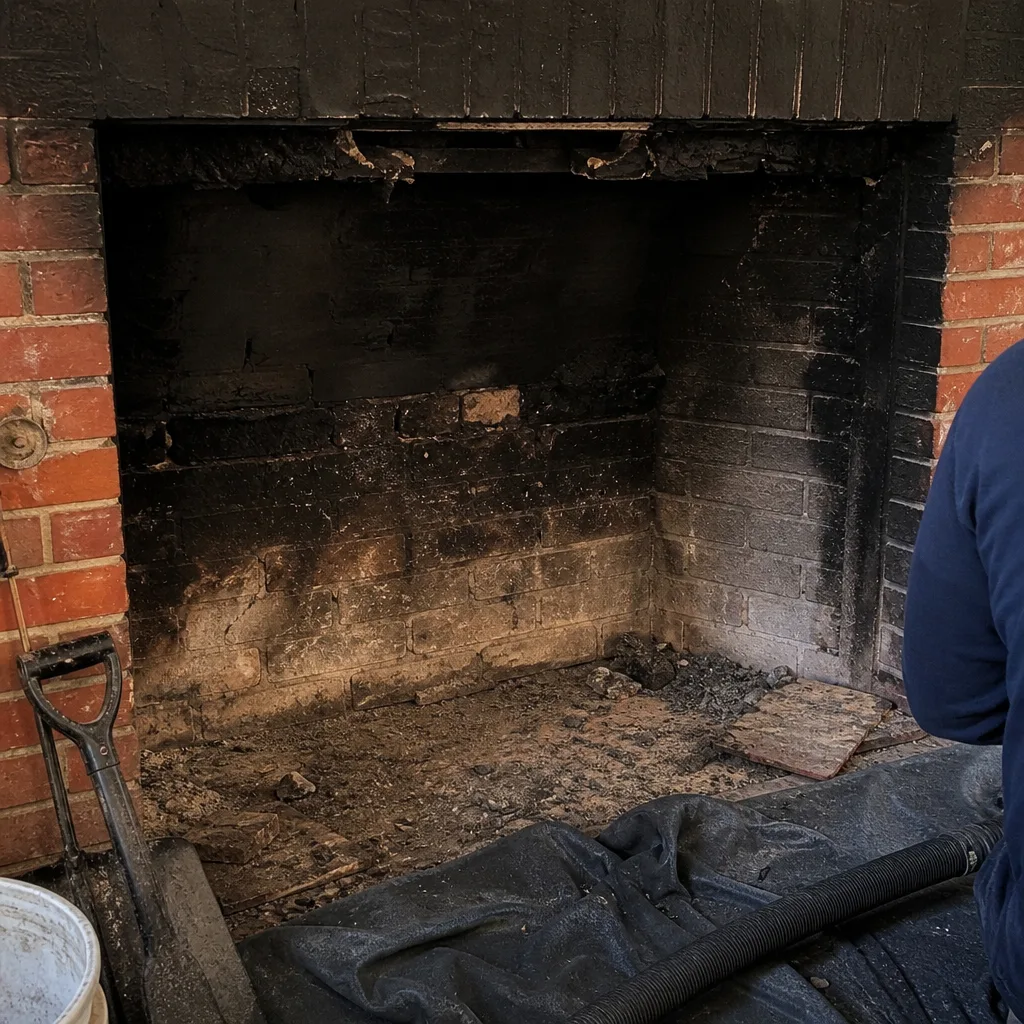 Before
 After
 Before
 After
Frequently Asked Questions
A chimney sweep in Kensington typically costs $150 to $350 for a wood-burning chimney, and $100 to $200 for a gas or oil flue. Add $75 to $150 for a camera inspection and written photo report when it isn’t bundled. The written estimate sets the final price. Call (855) 974-3360 for an exact quote – estimates are free.
Only if the camera scan actually shows a cracked, damaged or unlined flue – not because a company says so without evidence. A liner in good structural condition may only need resurfacing with a HeatShield system, while a damaged liner calls for a DuraFlex or Olympia Chimney reline. Ask to see the footage and photos. If you’re told you need work, the evidence should be in front of you. Call (855) 974-3360 to book an inspection and find out for sure.
A chimney should be swept at least once a year if it’s used regularly, and sooner if you burn heavily or notice a creosote smell. In Kensington’s cold winters, fireplaces get plenty of use, so an annual check before the burning season is the practical rhythm. Call (855) 974-3360 to put a sweep on the schedule.
Creosote keeps building, and the risk goes up with it. Heavy deposits are combustible, and a cracked liner you can’t see can let heat and gases reach combustible framing. Skipping a year also means missing a failing crown or cap before water damage spreads into the structure. None of that is meant to worry you into a needless booking; it’s the reason a yearly inspection is worth the flat price. Call (855) 974-3360 for a free estimate.
No. A gas flue doesn’t build traditional creosote, but the liner, venting and connections still need checking, and problems there are easy to miss without a proper appointment. The sweep is cheaper than wood, but the inspection still matters. Call (855) 974-3360 to have the gas flue checked.
They’re separate from the cleaning price, and they’re worth the money because water intrusion through a failing crown or missing cap is the leading cause of chimney deterioration. Checking the crown and cap is part of a proper inspection, and repairs can be scoped in the same visit. Call (855) 974-3360 for an estimate on both.
The Bottom Line
Chimney cleaning prices in Kensington swing by a factor of three or more, and most of that gap is scope, not salesmanship. A cheap sweep cleans the flue; a complete visit cleans it, inspects the liner, crowns the cap and documents what it found. Compare quotes on the line items, ask for the camera evidence before any repair, and treat the written estimate as the final price. Our technicians have up to 9 years of experience and handle everything from the ordinary sweep to full relining and rebuilds under one team. Whether you’re booking a routine clean or need a second opinion on a liner recommendation, we’re glad to take a look.
Call (855) 974-3360 for a free estimate. We answer 24/7. Fast dispatch from 7am to 7pm, Sunday through Friday, closed Saturday. Estimates are free, and the price is set per job by the written estimate. Learn more about Chimney Sweep Kensington and the full range of chimney work we handle.
Written by the team at Chimney Sweep Kensington.