
Last updated November 22, 2026
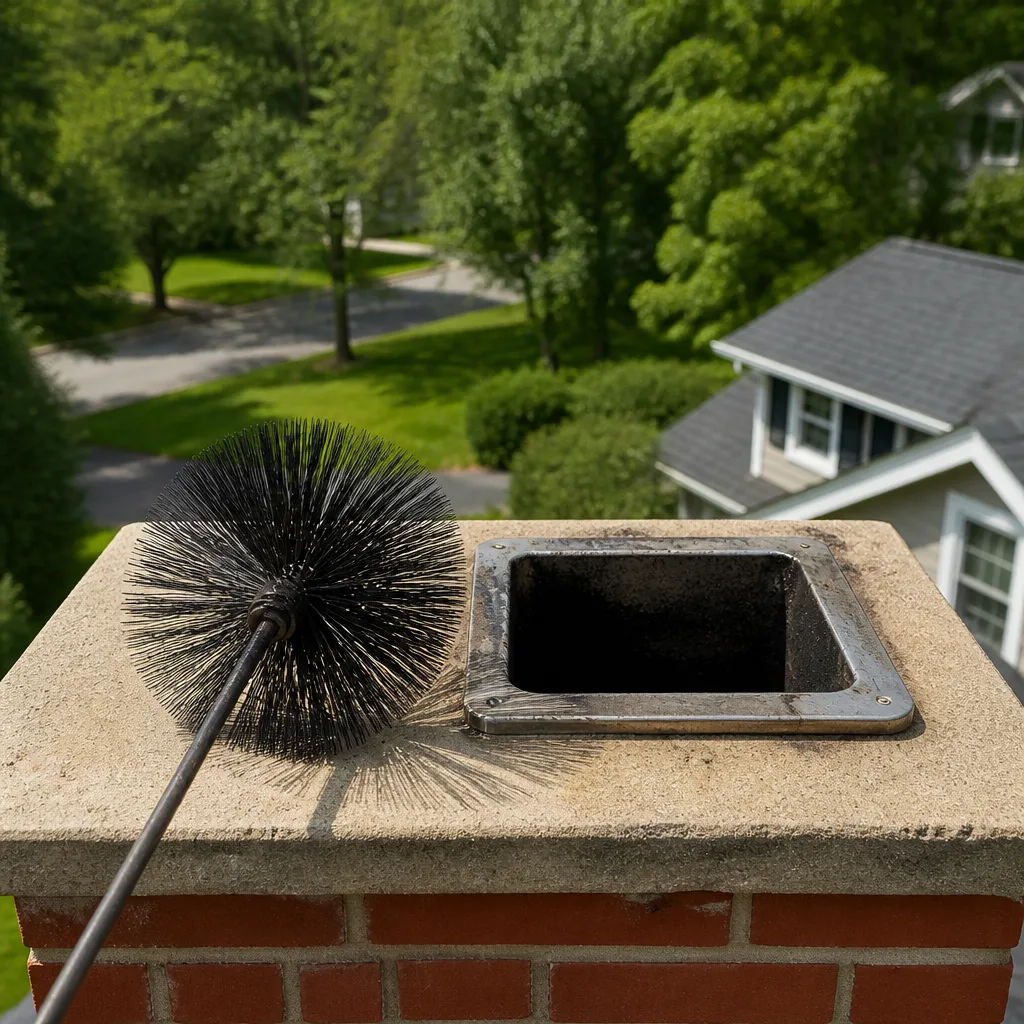 Sweep & inspection
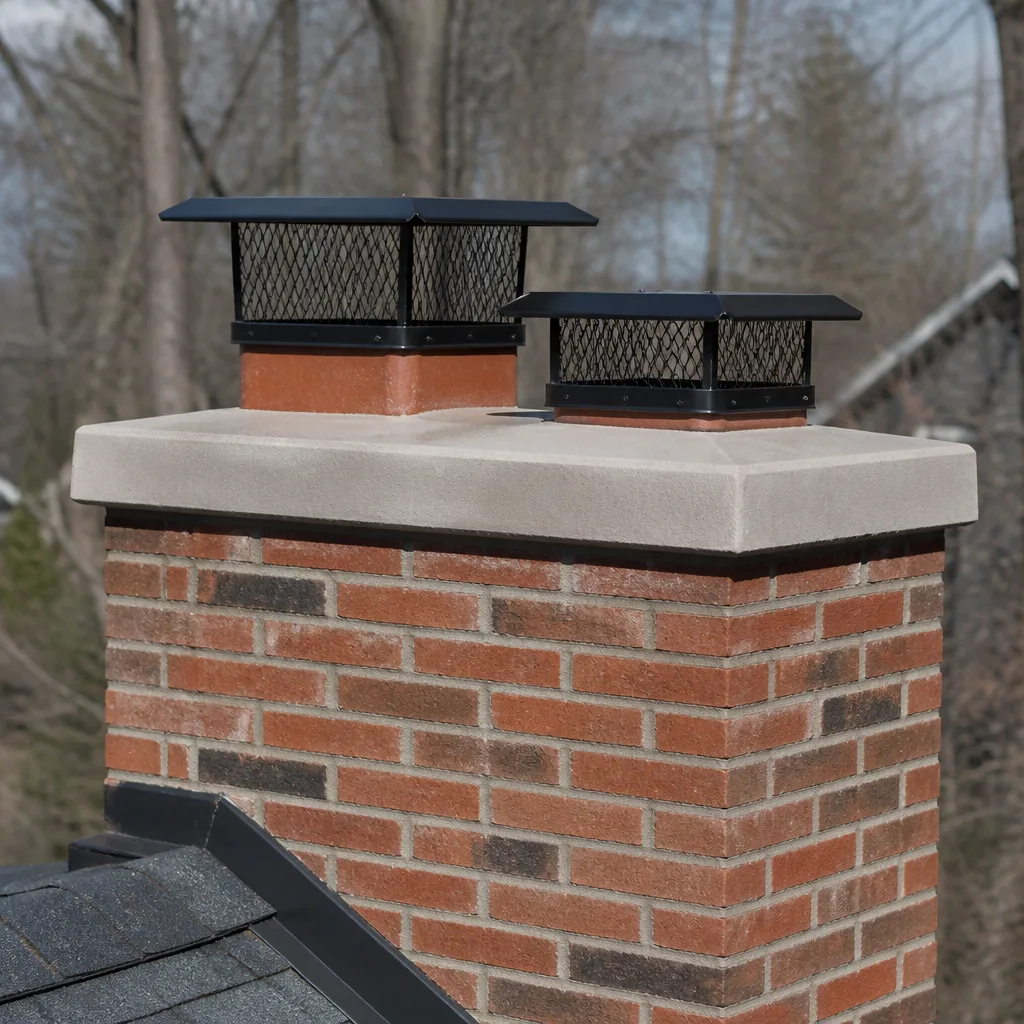 Caps & crowns
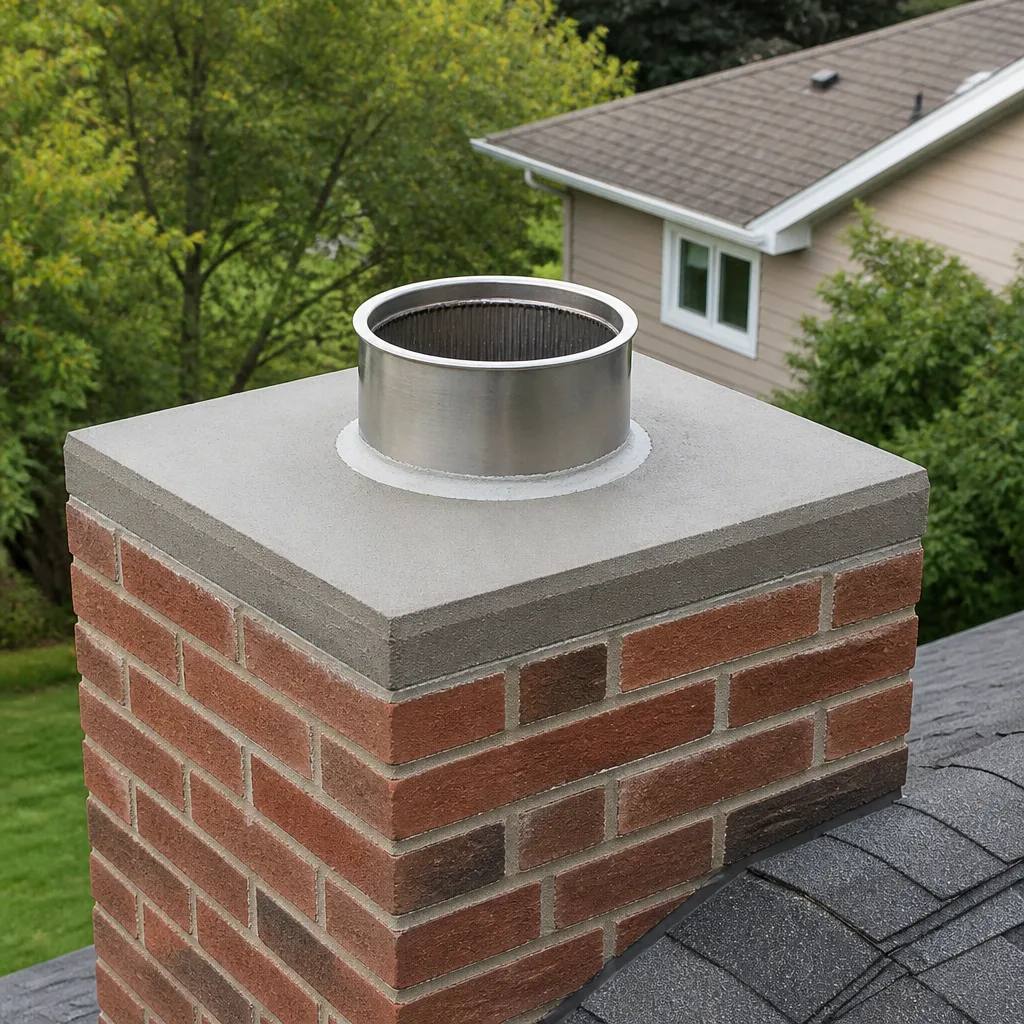 Flue relining
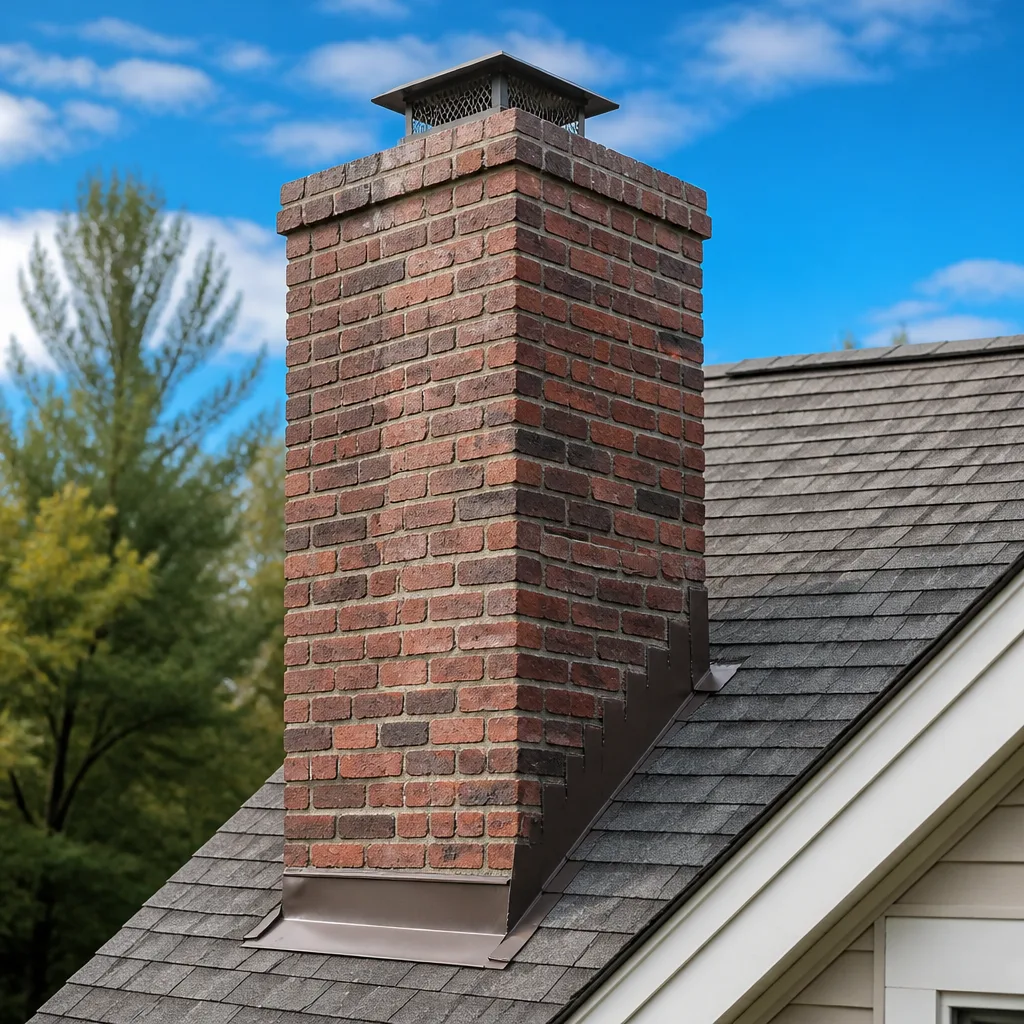 Masonry repair
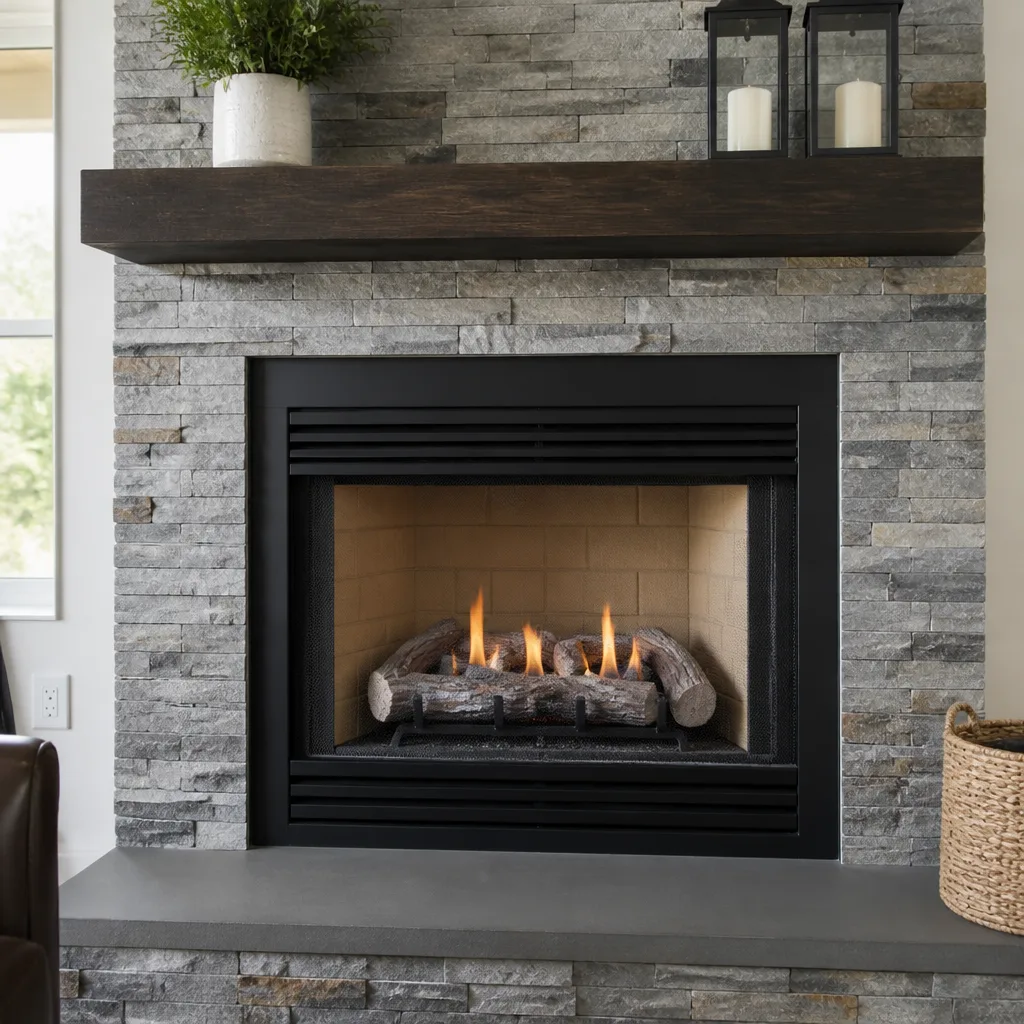 Gas fireplace service
Level 1 sweep and inspection to the NFPA 211 annual standard - flue, crown, cap, and flashing checked and photographed
Chimney sweep logs do not sweep chimneys. They loosen some creosote - which then falls where a brush and vacuum still have to collect it.
Chimney Cleaning Permits, Codes & Inspections in Kensington, PA: What You Need to Know
No permit is required to run a brush down your flue. A standard sweep is maintenance, and Kensington homeowners schedule it every year without filing a single form. But the relining job, the damper replacement, or the crown rebuild that cleaning uncovers? That’s a different conversation entirely. Those are construction repairs, and in Philadelphia they usually require a building permit before work starts. The gap between “cleaning” and “everything cleaning reveals” is where homeowners get into trouble, and it’s where we spend most of our time explaining the rules to people who didn’t know they existed. This guide covers which chimney services legally need a permit in Kensington, how the code treats repairs and replacements, what an inspector actually looks for, why unpermitted work can come back to bite you at resale or during an insurance claim, and how to verify a contractor is pulling the right permits rather than just claiming they don’t need one.
Quick Answer
In Kensington, routine chimney cleaning almost never requires a permit, but structural or code-relevant repairs – relining, damper replacement, crown or cap rebuilds, flue reconstruction – typically do require a building permit from the City of Philadelphia’s Department of Licenses and Inspections. The work itself must meet NFPA 211, the national standard for chimneys, fireplaces, vents and solid fuel appliances, along with the masonry and chimney provisions of the International Residential Code. A reputable contractor will tell you which category your job falls into before work begins, and will pull the permit when one is required.
Styles & brands we work with
- Sweep & inspection
- Caps & crowns
- Flue relining
- Masonry repair
- Gas fireplace service
Table of Contents
- Which Chimney Services Require a Permit in Kensington?
- How NFPA 211 and IRC Chapter 10 Apply to Kensington Chimneys
- What Does a Chimney Inspection Actually Cover?
- The Insurance Problem With Unpermitted Chimney Work
- How to Verify a Contractor Is Pulling the Right Permits
- Kensington-Specific Nuances: Older Homes, COs, and Historic Districts
- How Often Should You Schedule an Inspection?
Which Chimney Services Require a Permit in Kensington?
Here’s the short version: sweeping is maintenance, structural and code-relevant work is construction, and Philadelphia issues permits for the second category. The line isn’t drawn by dollar amount. It’s drawn by what the work changes about how the chimney functions as a venting system.
Permit-exempt chimney work in Kensington generally includes:
- Routine chimney sweeping and creosote removal
- Visual and camera-based inspection
- Replacing a chimney cap with a same-size unit (some situations still trigger a permit if the cap is part of a larger rebuild)
- Minor caulking or spot repair without changing the chimney’s structure or venting capacity
Work that typically requires a building permit from the City of Philadelphia includes:
- Relining a flue, whether with a stainless liner system such as DuraFlex or a resurfacing method like HeatShield, when the new liner is part of a change in the flue’s structure or appliance type
- Chimney or crown rebuilds where masonry is removed and replaced
- Damper replacement when the existing damper is removed and a new assembly is installed
- Flue reconstruction, adding or removing a flue, or converting a vented appliance to a different fuel type
- Changes to a chimney’s height or its relationship to the roof line
That second list is what we walk Kensington customers through before any repair paperwork gets signed. If you’re still unsure which bucket your job falls into, an inspection is the cheapest way to find out. Our Chimney Sweep Kensington service starts there, so you know exactly what you’re dealing with before anyone quotes a repair.
How NFPA 211 and IRC Chapter 10 Apply to Kensington Chimneys
NFPA 211 is the standard the trade uses for chimney and vent construction, maintenance, and inspection. IRC Chapter 10 is the residential code’s version of the same rules, and Philadelphia’s inspectors are looking for compliance with both when they walk a job. For Kensington homeowners, neither code is something you need to memorize, but you should know the ideas behind them.
The code cares about a few specific things:
- Clearances to combustibles. Brick chimneys need a minimum clearance from wood framing and other combustible materials in the walls and attic. In dense rowhouse construction, that clearance gets violated when a previous owner or a contractor ran a flue through somewhere it shouldn’t have. Inspectors catch it, and so do we during a camera inspection.
- Liner integrity. A flue without a proper liner – or with a cracked, spalled, or disconnected one – fails NFPA 211. So does a liner that isn’t rated for the appliance it’s serving. A wood-burning insert needs a properly sized liner, not just a smooth flue.
- Termination height. The chimney has to extend far enough above the roof and away from nearby roof surfaces to vent properly. On Kensington’s rowhouses, terminations are often near shared walls, which is exactly where the code has opinions.
- Draft and venting adequacy. The flue must be sized and constructed to pull a draft. A flue that’s too large for the appliance is a real problem, not a theoretical one.
In our experience, most Kensington chimney failures aren’t dramatic structural collapses. They’re quiet liner cracks, missing dampers, disconnected flue pipes, and crowns that have been letting water in for twenty years. Those are the things a code-informed inspection catches before they become a fire risk or a carbon monoxide problem. The chimney repair work we do in Kensington follows NFPA 211 as the baseline, and we’ll tell you plainly when a repair can wait and when it can’t.
What Does a Chimney Inspection Actually Cover?
The chimney industry uses three inspection levels, originally defined by the National Fire Protection Association, and the level determines how much of the chimney gets examined.
- Level 1 inspection. Visual check of the readily accessible portions of the chimney, firebox, damper, and connections. Done annually, and performed during every routine sweep. No camera, no tools beyond a flashlight and mirror.
- Level 2 inspection. Everything in Level 1, plus a camera inspection of the flue interior and accessible portions of the attic and crawl space. Required after any change in the chimney’s use, after a chimney fire, after a structural event, or before a real estate transaction. This is what we recommend whenever a homeowner isn’t sure what they own.
- Level 3 inspection. Level 2 plus exploration of concealed areas – behind walls, under floors. Rare, and typically triggered when a Level 2 finds something that can’t be evaluated from outside.
An inspector’s job isn’t to write you a list of problems. It’s to determine whether the chimney vents fire and combustion gases safely. That comes down to the condition of the flue liner, the damper, the crown, the cap, the joints, and the firebox, plus clearances to combustibles and the adequacy of the draft. A good inspection report is photographic, specific, and honest about what’s a real hazard and what’s just cosmetic aging.
In Kensington, an inspection should also cover the roofline above the chimney, because the most common source of chimney deterioration here isn’t fire damage – it’s water getting in at a failing crown or a cap that’s rusted through. We treat the chimney cap & crown as part of the system for exactly that reason.
The Insurance Problem With Unpermitted Chimney Work
This is the part of the guide that lands hardest with Kensington homeowners, because it’s the part nobody explains until it’s a problem.
Homeowners insurance is built around the assumption that the dwelling is what it appears to be. When a chimney is relined without a permit, or a flue is reconstructed without inspection, the insurer has no record of the work and no confirmation that it meets code. If a chimney fire damages your home and the investigation finds that unpermitted masonry or an improperly installed liner contributed to the loss, the insurer can and does raise the issue during the claim. That doesn’t mean every claim gets denied, but it does mean a real fight, often with a public adjuster and a lawyer, at the exact moment you have a hole in your roof and a family in a hotel.
Unpermitted work also shows up at resale. Buyers in Kensington finance with lenders who want a clear title and, increasingly, a clean inspection record. A home inspector who spots a chimney that doesn’t match the permit history hands the buyer a negotiation lever, and you’re suddenly the person paying for someone else’s shortcut.
The remedy is boringly simple: know the permit history of your chimney, pull permits when the work needs them, and keep the paperwork. If you don’t know the history, a Level 2 inspection with a photograph report tells you what you’re actually living with. We’ll walk you through what the photos show, and we’ll say when work can safely wait.
How to Verify a Contractor Is Pulling the Right Permits
Contractors who avoid permits fall into a few predictable patterns. Some genuinely don’t know what triggers a permit. Some avoid the $75 to $300 range a chimney permit typically costs because it delays the job. And some tell homeowners that chimney repairs are “always exempt,” which isn’t true. Here’s how to verify before you sign anything.
- Ask which permit category your job falls into. A knowledgeable contractor will say something specific: “This reline needs a building permit and a plan review,” or “This is a cap replacement, no permit required.” A vague “we don’t need a permit, don’t worry” is a red flag.
- Ask for the permit application before the job starts. The permit should be issued to the property address, with the scope of work described accurately. If the contractor is pulling a permit for something broader or narrower than what you’re actually having done, that’s a problem.
- Check Jobs with L&I or the online permit portal before work begins. The City of Philadelphia makes permits searchable. If the contractor says the job is permitted but nothing appears in the system, the work hasn’t been permitted yet.
- Ask who the inspector will be and when they’ll come. Reputable contractors schedule inspections as part of the workflow, not as a surprise add-on.
- Get the final inspection report after the job. The signed-off inspection is your proof the work met code, and it’s what protects you at resale and during an insurance claim.
- Ask for the contractor’s license and insurance. Chimney contractors doing structural work in Philadelphia need to be licensed as home improvement contractors under the Pennsylvania Home Improvement Consumer Protection Act. Ask for the license number and verify it.
None of that is unreasonable to request. We’d rather you ask us than assume.
Kensington-Specific Nuances: Older Homes, COs, and Historic Districts
Chimney work in Kensington runs into some local conditions that don’t come up in newer subdivisions.
Older homes and unknown history. A lot of Kensington housing stock is 100 years old or more, and much of it has been renovated, partially renovated, or “improved” by generations of owners. That means liners that were installed decades ago without documentation, flue pipes that don’t match the appliances they serve, and chimneys that have partially failed and been patched with masonry that doesn’t meet current code. A Level 2 inspection is the practical answer when the history is a mystery.
Certificates of occupancy. A certificate of occupancy – the document a property needs to legally change use, undergo major renovation, or (in some cases) be occupied at all – becomes relevant when a chimney issue is severe enough that L&I wants to see the repairs before signing off. If you’re buying or selling a Kensington rowhouse with deferred chimney maintenance, the CO can become part of the transaction. That’s not a reason to panic; it’s a reason to know the chimney’s condition before you get to the negotiating table.
Historic district considerations. Parts of Kensington fall under Philadelphia Historical Commission review, particularly in and around designated historic districts. Chimney work that changes the exterior appearance of a building in these areas – a new crown material, a rebuilt chimney stack, a cap that doesn’t match the existing one – may require approval from the Historical Commission in addition to a building permit. That review takes time, and we plan it into the project schedule rather than discovering it mid-job. If you’re not sure whether your address is in a designated district, that’s a question worth answering before the work is designed.
Climate and exposure. Philadelphia’s freeze-thaw cycle is hard on masonry. Water gets into a hairline crack, freezes overnight, expands, and opens the crack further. Over a decade, that’s spalled brick and a crown that’s coming apart. Cap and crown work in Kensington is genuinely preventive here, not decorative, which is why we treat it as part of the chimney, not an accessory.
How Often Should You Schedule an Inspection?
Annual inspection is the standard the industry recommends for any chimney that serves a wood-burning appliance, and that includes a yearly visit even if you don’t burn every season. Chimneys that sit unused for years still deteriorate.
- Every year: Level 1 inspection, typically bundled with an annual cleaning.
- Every purchase or sale of a home: Level 2 inspection with a camera and photo report.
- After a chimney fire, however small: Level 2 inspection. Even a “minor” chimney fire can crack a clay liner, and you can’t see the crack without a camera.
- After a change in fuel type or appliance: Level 2 inspection. A new insert, a wood-to-gas conversion, a boiler replacement – all change the venting requirements.
- After a weather event that damages the roof or chimney: Level 2 inspection, especially for the crown and cap.
The schedule matters less than the habit. A homeowner in Kensington who’s had an inspection every year for five years knows their chimney’s baseline, and a contractor can then see when something is actually changing. A homeowner who hasn’t looked since they moved in is starting from zero.
If you’re not sure when your last inspection was, that’s the answer: book it. A standard chimney sweep and Level 1 inspection is the natural starting point.
Common Mistakes to Avoid
- Assuming cleaning equals compliance. A clean flue isn’t the same as a code-compliant chimney. A chimney can be swept and still be missing a proper liner, with an improperly sized flue, or with a crown that’s ready to fail. Insist on an inspection, not just a cleaning.
- Trusting “we don’t need a permit” without verifying. In Kensington, a reline, rebuild, damper replacement, or flue change almost always does need one. Ask for the permit application, then verify it in the city’s portal before the work starts. This is the single biggest mistake homeowners make on this job.
- Skipping the Level 2 inspection before a purchase. Buying a Kensington rowhouse without a chimney camera inspection is a gamble on the seller’s description. The inspection costs a fraction of a reline and gives you a lever at the negotiating table.
- Letting a “minor” crack wait through a freeze cycle. Philadelphia winters are exactly the conditions that turn a hairline crack in a crown into a $3,000 rebuild. Small water intrusion becomes structural, then expensive.
- Using a house-painting or handyman contractor for masonry chimney repairs. Repointing a chimney in Kensington is masonry work done above a roofline, subject to the same clearance and venting requirements as any code-governed chimney repair. The right trade matters.
- Throwing out the inspection report and the permit paperwork. Keep both. They become evidence at resale and during any insurance claim, and they’re your best protection against a buyer or an insurer questioning the work.
- Assuming unpermitted work is a small deal because nothing has gone wrong yet. Nothing tends to go wrong until it does. The unpermitted reline from twelve years ago is invisible until a fire investigation or an insurance claim makes it visible.
See the difference
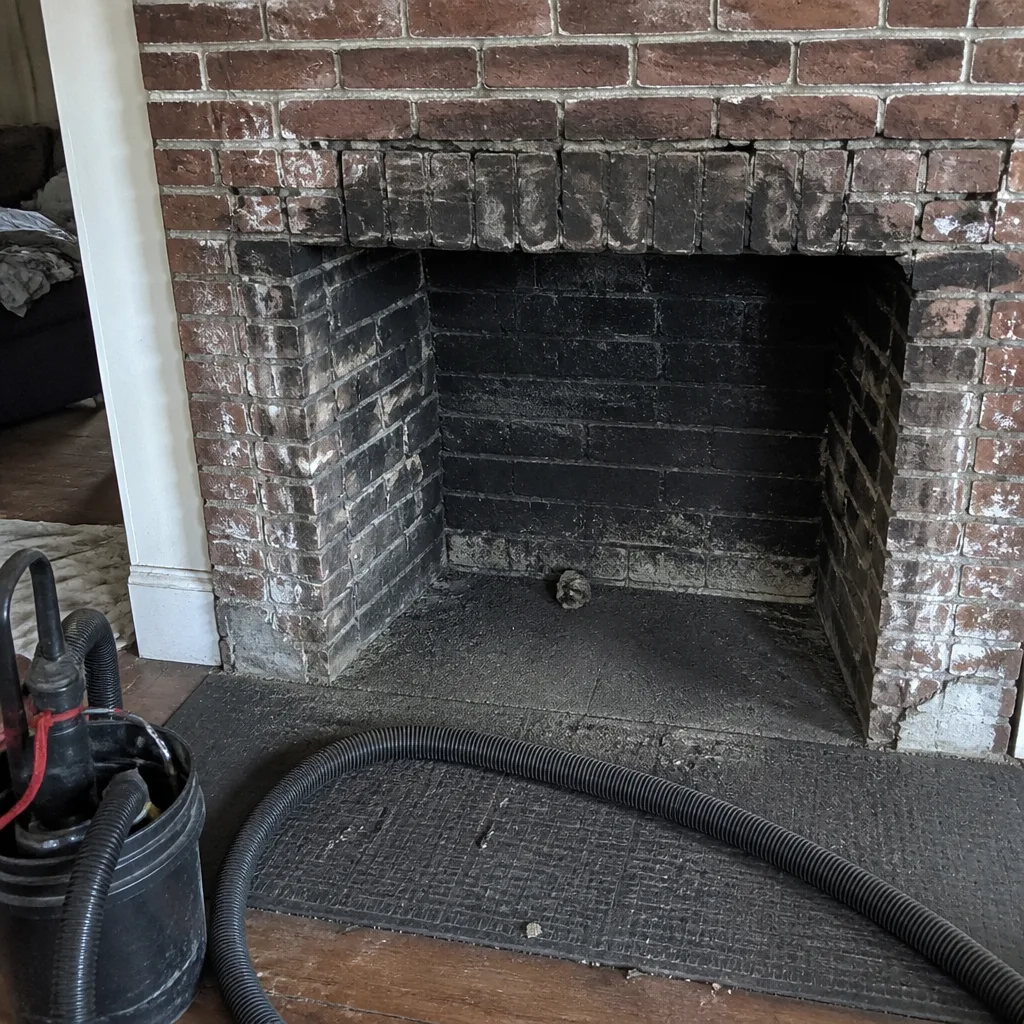 Before
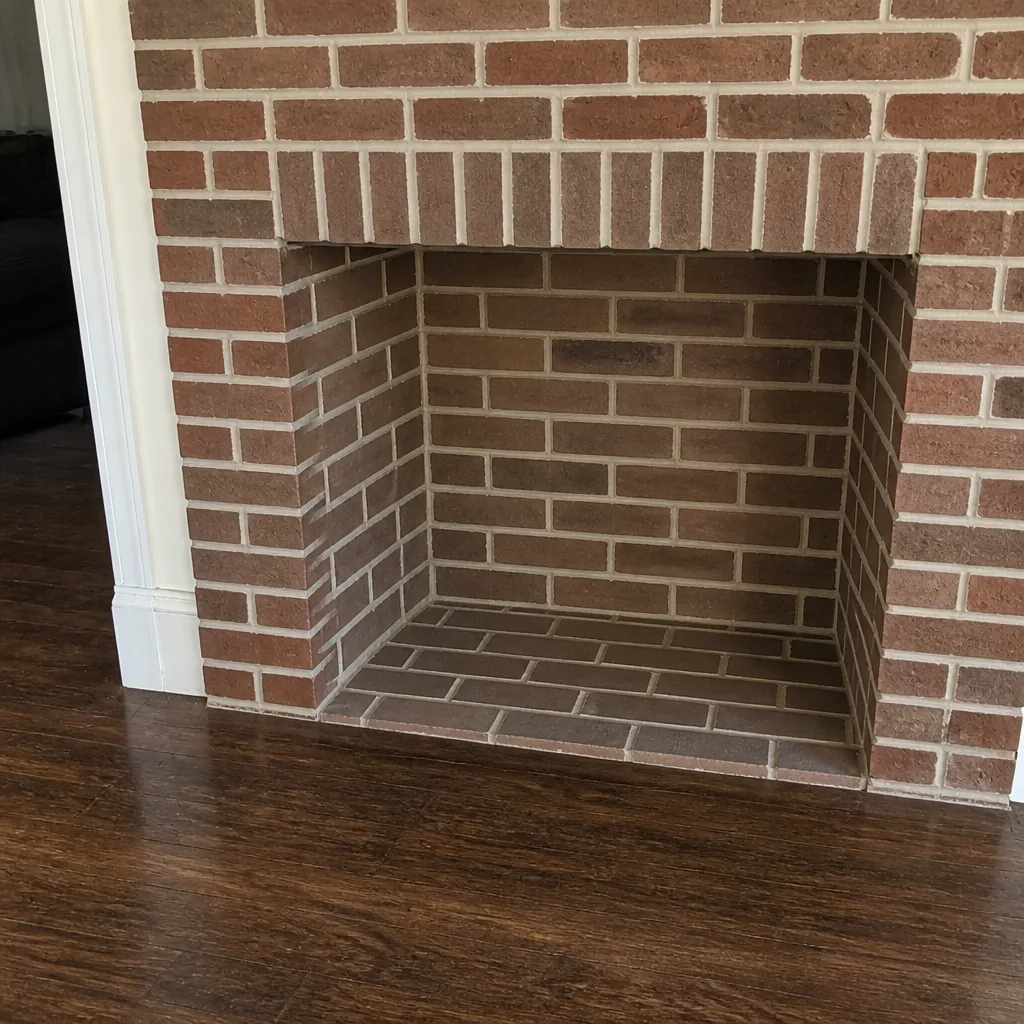 After
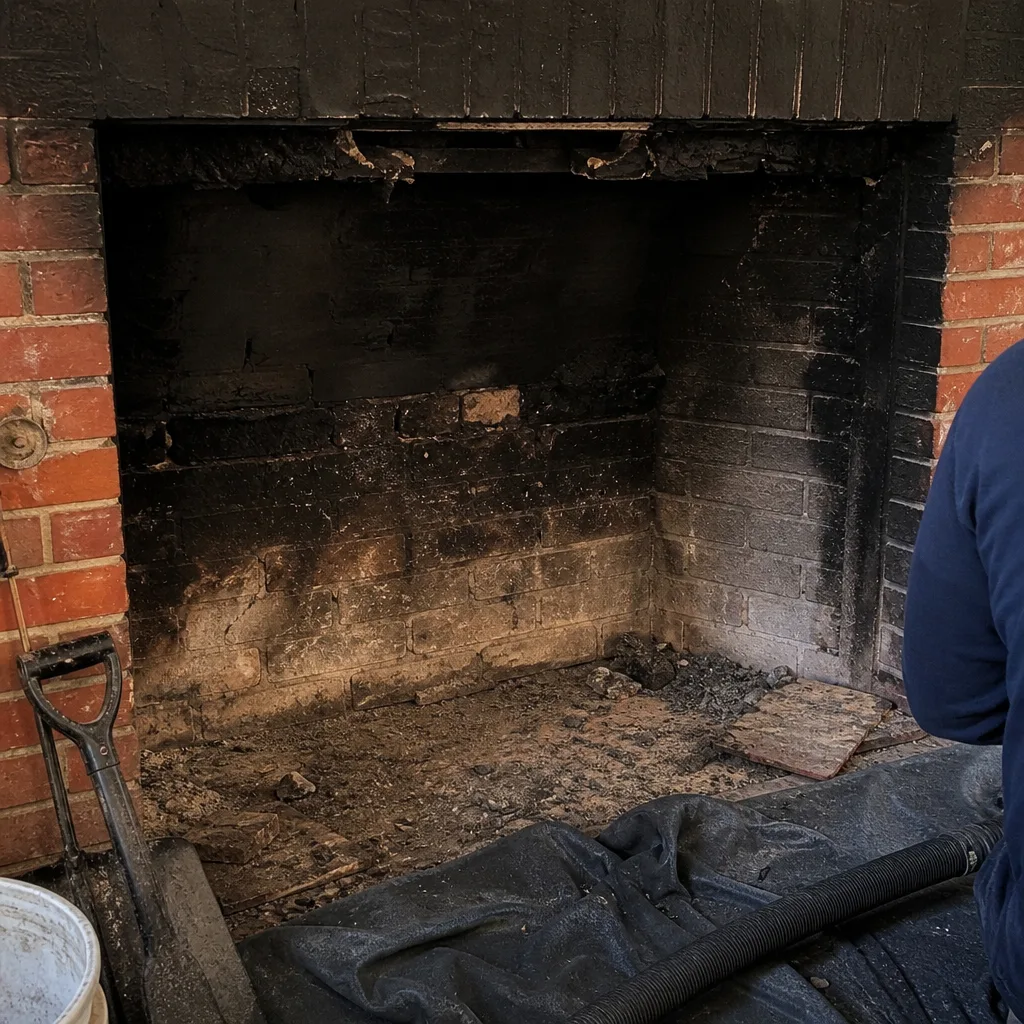 Before
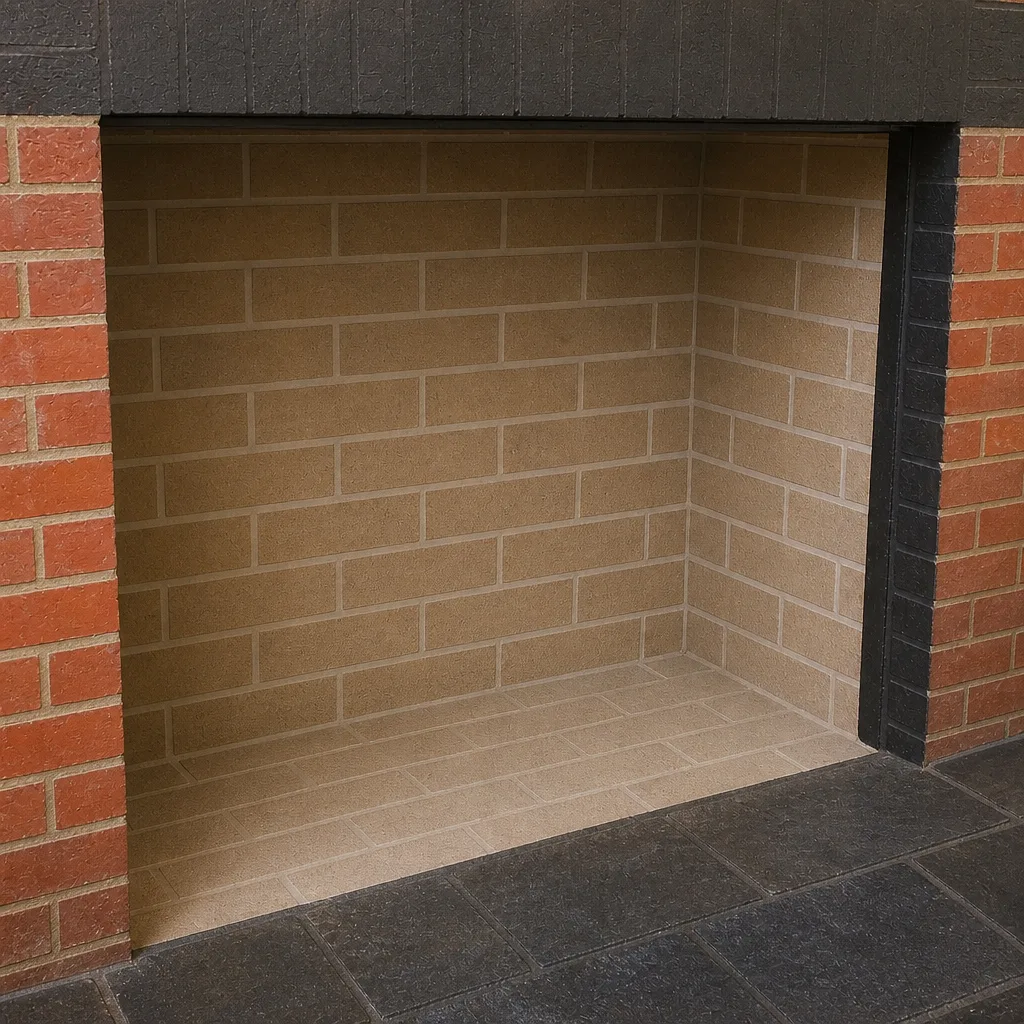 After
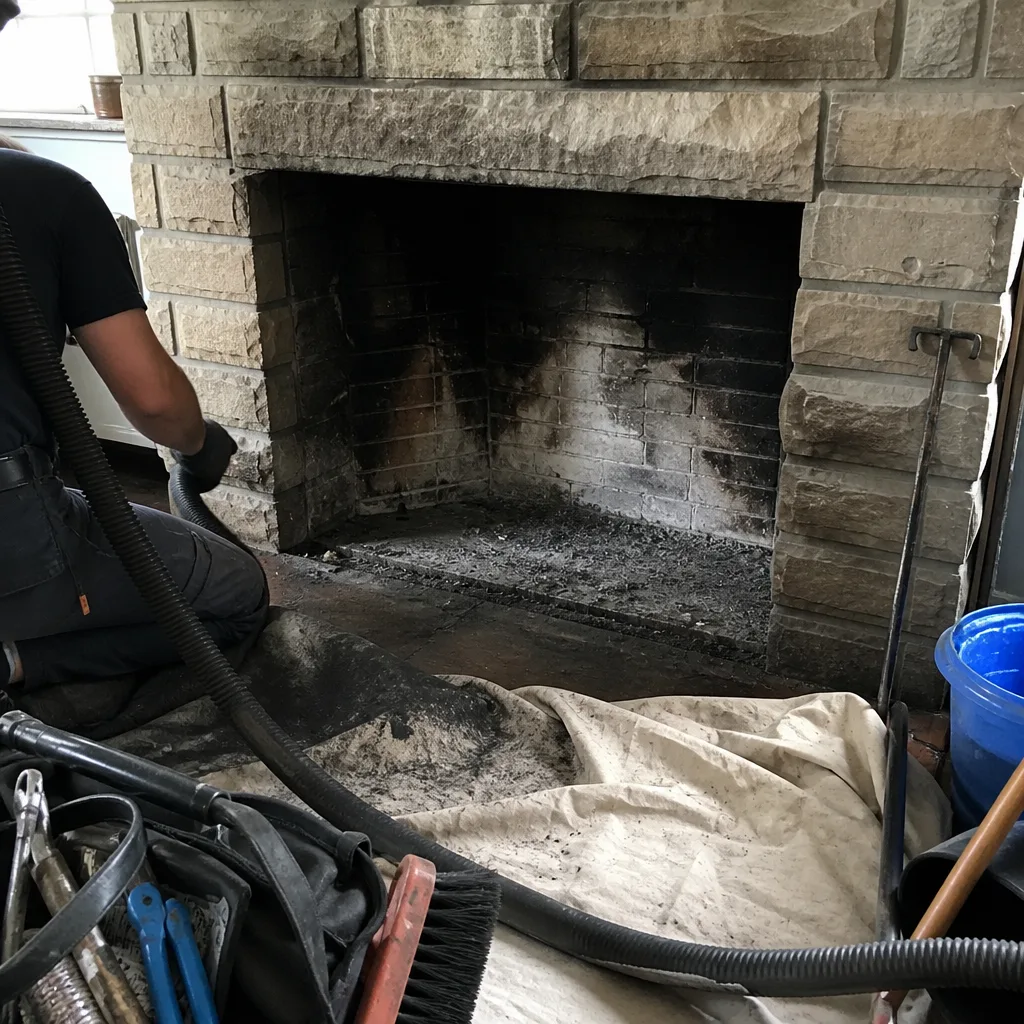 Before
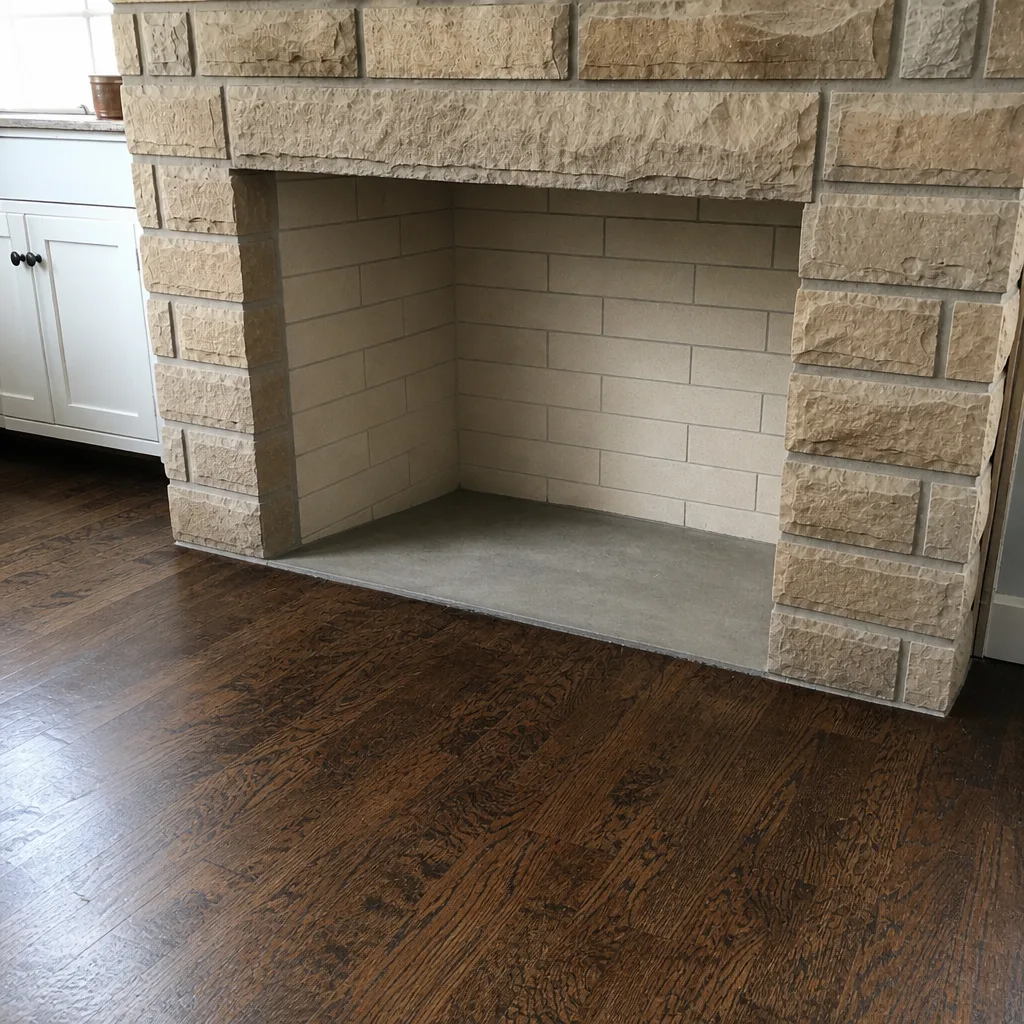 After
When to Call a Professional
Call a professional anytime the question is about the structural condition of the chimney or its code compliance, not just its cleanliness. In Kensington that means relining, crown or cap replacement, damper work, firebox cracks, masonry repairs, any suspected chimney fire, and any inspection tied to a purchase, sale, or renovation. It also means any time you smell gas or exhaust inside the home, or a carbon monoxide alarm triggers. Carbon monoxide is a real hazard, not a nuisance, and evacuation and a professional call are the right response. If you’re not sure whether your chimney needs work at all, an inspection is the answer – it’s cheaper to find out than to assume.
Chimney Sweep Kensington offers free estimates in Kensington – call (855) 974-3360. We answer 24/7. Fast dispatch from 7am to 7pm, Sunday through Friday.
Frequently Asked Questions
No. Routine chimney cleaning is maintenance and doesn’t require a permit in Kensington or anywhere else in Philadelphia. The permit question starts the moment cleaning reveals a repair that’s structural or code-relevant – relining, a damper replacement, a crown rebuild, or flue reconstruction. Call (855) 974-3360 for an exact quote on the sweep, and we’ll tell you up front whether anything the inspection finds will need a permit before work begins.
Most chimney sweeps in Kensington fall in a typical range of $200 to $400, and a Level 2 inspection with camera and photo report often runs $300 to $600. Prices vary by flue count, access, and roof complexity, and the written estimate always sets the final number. Call (855) 974-3360 for an exact quote – estimates are free.
You need a new liner if the existing one is cracked, spalled, disconnected, or not rated for your appliance. You don’t need one because the flue looks ugly on camera. In our experience, the right answer is always visible in the inspection photos, and we walk Kensington homeowners through them one by one. If your liner can safely be resurfaced with a system like HeatShield instead of fully relined, we’ll say so. If the correct fix is a full reline with a system like DuraFlex, we’ll explain why. The choice should follow the chimney’s condition, not a sales script. Call (855) 974-3360 and ask for a camera inspection before any repair decision.
You expose yourself to three real risks. L&I can require the work be opened up or removed and redone with a permit and inspection. Your homeowner’s insurer can raise the unpermitted work during a fire or chimney-related claim. And a buyer’s inspector will find it during resale, which usually means paying for the work twice – once the way it was done, and once the right way. Call (855) 974-3360 before you sign with a contractor who says a permit isn’t needed.
Once a year for a wood-burning chimney, every year even if you burn only occasionally. Inspection frequency climbs if you buy or sell the home, change appliances, or have had any chimney fire – those situations call for a Level 2 inspection with a camera. In dense Kensington rowhouse blocks, an annual visit is also the practical way to catch crown and cap failures before they turn into water intrusion. Call (855) 974-3360 to book yours.
A cleaning removes creosote and soot so the flue can be safely used. An inspection tells you what condition the flue, damper, crown, cap, and firebox are actually in. Every cleaning should include at least a Level 1 inspection, and any repair decision should be based on a Level 2 inspection with photos. The two services serve different purposes, and dropping one of them is where most chimney problems start. Call (855) 974-3360 to schedule both together.
The Bottom Line
Chimney cleaning itself rarely triggers a permit in Kensington, but the repairs cleaning uncovers almost always do – relining, damper replacement, crown and cap rebuilds, and flue reconstruction. Those are code-relevant construction jobs, they’re governed by NFPA 211 and IRC Chapter 10, and in Philadelphia they’re inspected. Getting the permit isn’t red tape. It’s the piece of paper that proves the work meets code, that your insurer will acknowledge at claim time, and that a buyer’s inspector won’t turn into a negotiation lever. If you don’t know your chimney’s permit history, start with a Level 2 inspection. If a contractor tells you a repair doesn’t need a permit, verify it. And if the chimney is older, in a historic district, or its history is a mystery, ask before the work is designed, not after. Chimney Sweep Kensington handles the whole system, from the annual sweep to the structural rebuild, with professional-grade materials including DuraFlex, HeatShield, Famco, and Copperfield. Call (855) 974-3360 for a free estimate. We answer 24/7. Fast dispatch from 7am to 7pm, Sunday through Friday.
Written by the team at Chimney Sweep Kensington.