
Last updated November 22, 2026
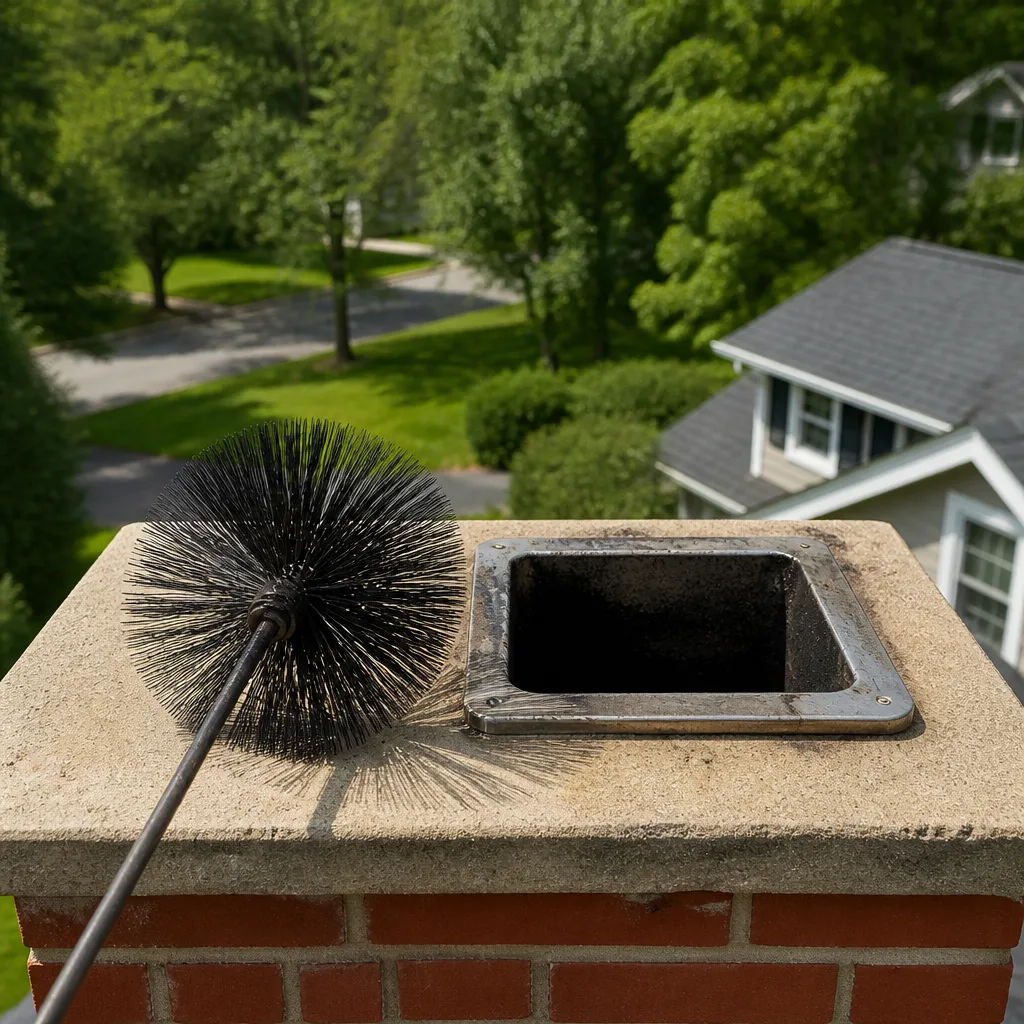 Sweep & inspection
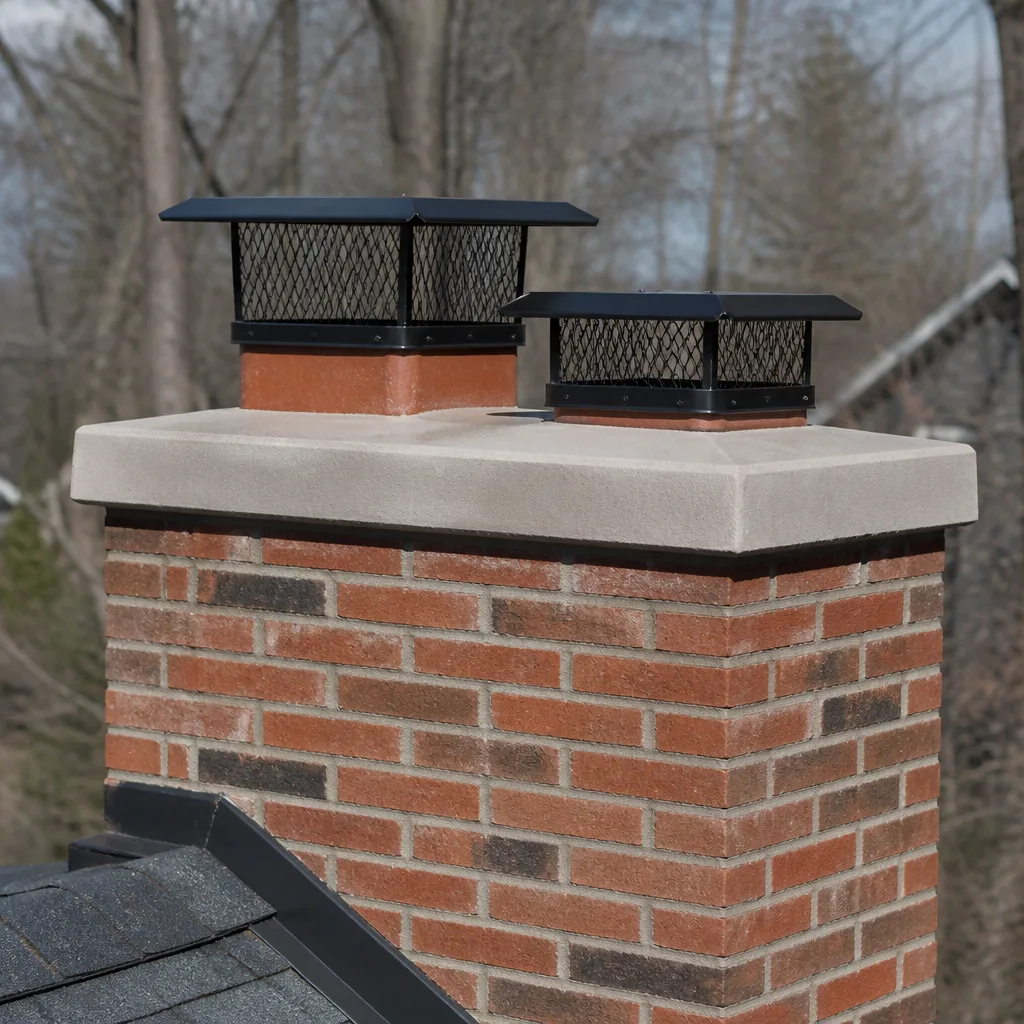 Caps & crowns
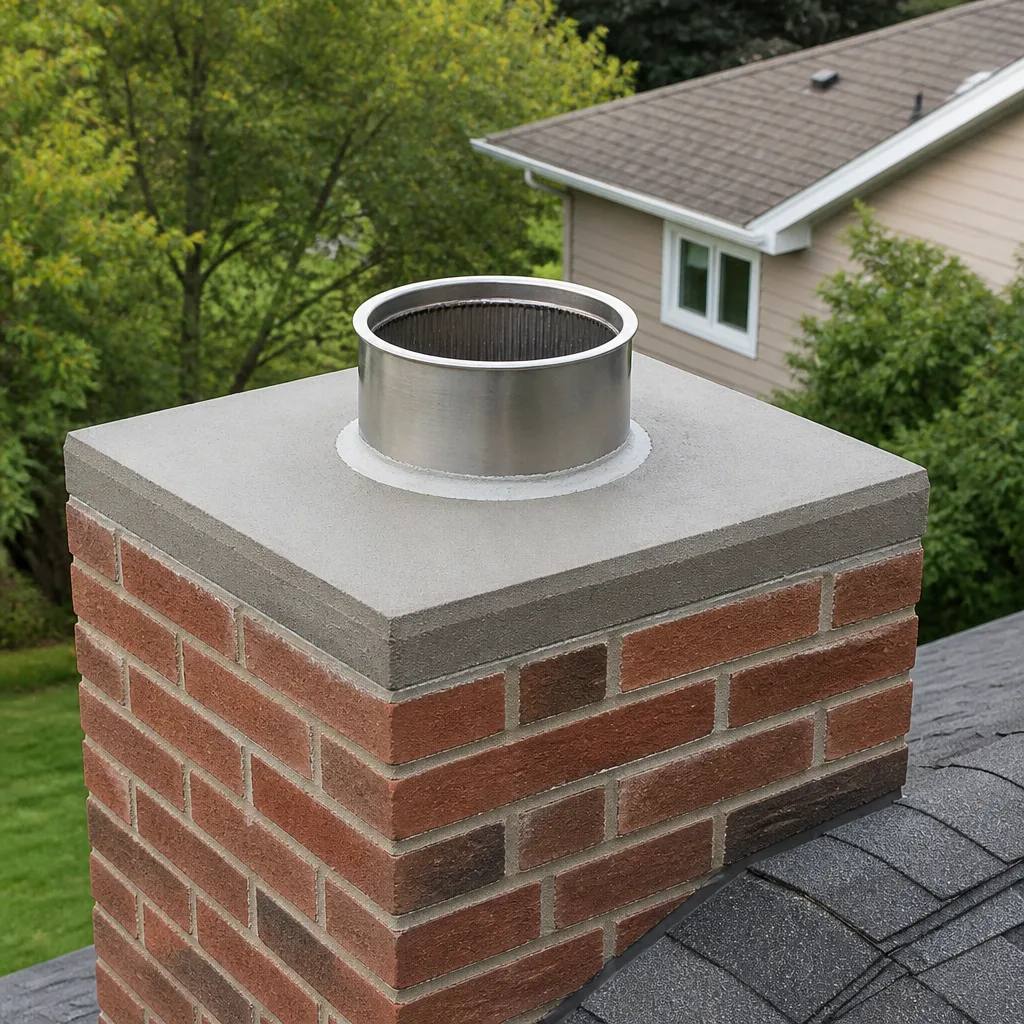 Flue relining
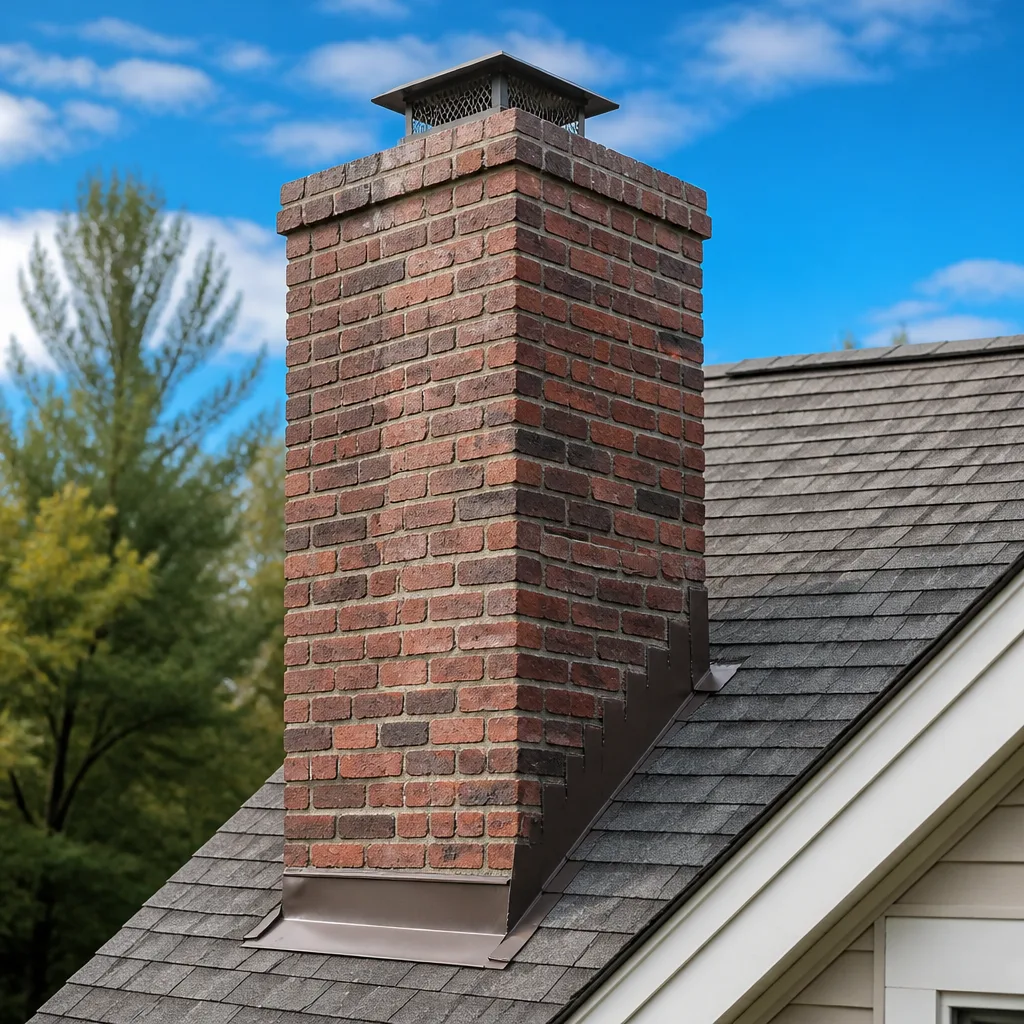 Masonry repair
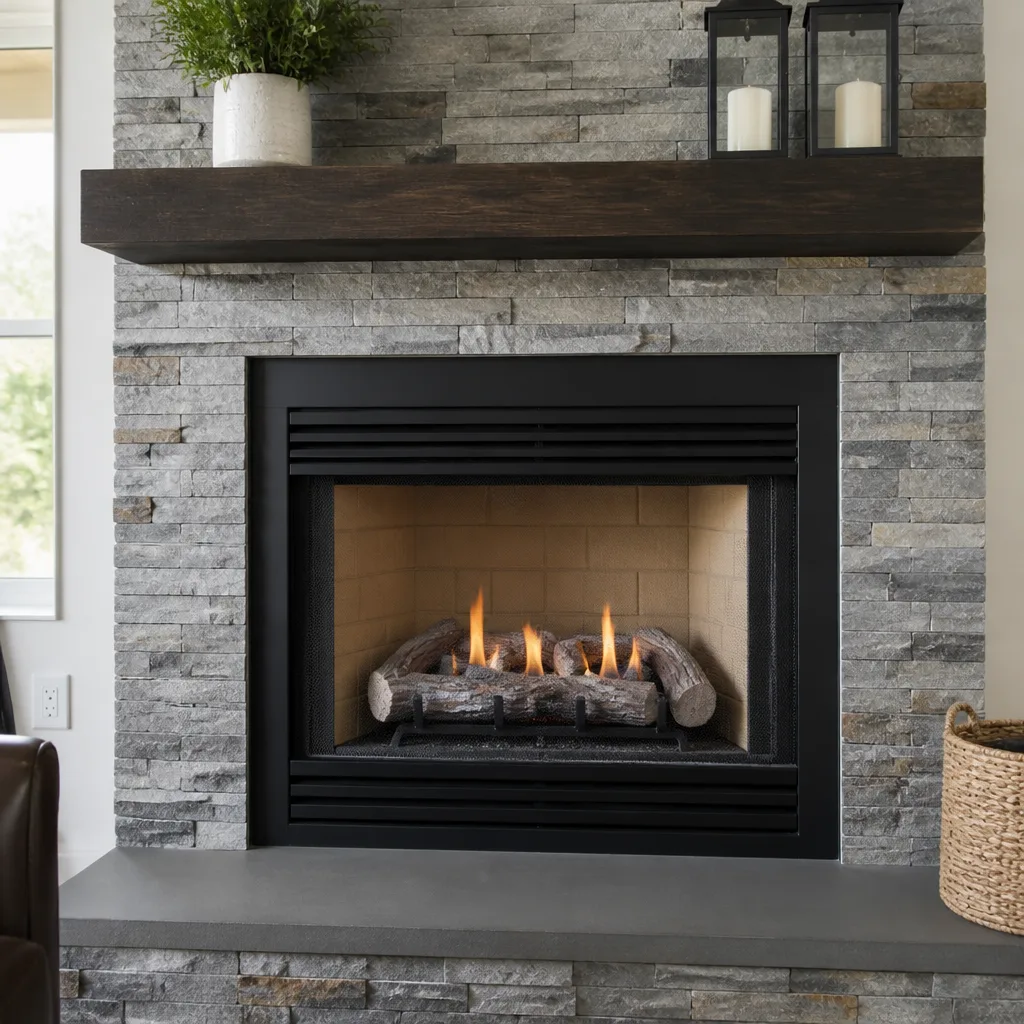 Gas fireplace service
Level 1 sweep and inspection to the NFPA 211 annual standard - flue, crown, cap, and flashing checked and photographed
Chimney sweep logs do not sweep chimneys. They loosen some creosote - which then falls where a brush and vacuum still have to collect it.
Chimney Sweep Maintenance Checklist for Kensington Homeowners
Most chimney maintenance checklists tell you to “schedule an annual sweep.” That’s not a checklist. That’s a phone number. A list you can’t act on, component by component, tells you nothing about what’s actually happening inside your flue, your smoke chamber, or the crown on your roof. Kensington chimneys face a specific set of pressures – freeze-thaw cycles that crack mortar, urban air quality that loads creosote differently than a rural burn, and rowhouse walls that share more with your neighbor’s chimney than you might think. This guide gives you a tracking tool, not a reminder sheet. By the end you’ll know exactly what to look at yourself, what needs professional eyes, and how to log all of it so your maintenance history holds up when it matters.
Quick Answer
A working chimney maintenance checklist for a Kensington home covers six components: firebox, damper, flue liner, smoke chamber, crown, and cap. You can visually check the firebox, damper, and cap from the ground, but the flue liner and smoke chamber require a camera inspection by a trained professional. A chimney that “looks fine” from the firebox does not mean it’s safe to burn – internal defects invisible to the eye are exactly what annual inspections catch.
Styles & brands we work with
- Sweep & inspection
- Caps & crowns
- Flue relining
- Masonry repair
- Gas fireplace service
Table of Contents
- The Six Components That Actually Matter
- What You Can Check Yourself vs. What Requires a Pro
- What “Passing” a Visual Inspection Really Means
- Kensington-Specific Maintenance Triggers
- How to Log Maintenance History That Protects You
- Building Your Annual and Seasonal Schedule
- Common Mistakes to Avoid
- Frequently Asked Questions
The Six Components That Actually Matter
A chimney isn’t one thing. It’s a stack of systems that fail in different ways at different rates. Tracking them separately is the whole point of a real checklist – you’re not “checking the chimney,” you’re checking six distinct parts, each with its own failure mode.
- Firebox. The masonry box where the fire sits. Look for cracked firebrick, loose mortar joints, and gaps between the brick and the surround. Cracked firebrick lets heat reach the masonry behind it, which is where trouble starts. Hairline cracks in the firebrick are common and often minor; open gaps and crumbling mortar are not.
- Damper. The metal plate above the fire that opens and closes. It should move freely and seal reasonably well when closed. A damper that sticks open wastes heat up the flue all winter; one that won’t open fully is a smoke problem waiting to happen. Rust and warping are the usual culprits.
- Flue liner. The inner channel that carries smoke and gases out of the house. This is the component you cannot see without a camera. Clay tile liners crack with heat cycling and settle with the house; metal liners can corrode or separate at joints. A failed liner is the single most serious defect on this list because it lets heat and carbon monoxide into the structure.
- Smoke chamber. The sloped area between the firebox and the flue. It’s supposed to be smooth so smoke accelerates upward. Rough, parged-over, or deteriorating chambers cause turbulence and draft problems. This area is also a creosote collection point and is invisible without professional equipment.
- Crown. The concrete cap at the very top of the chimney that sheds water away from the masonry. Cracks in the crown are the number one entry point for water, and water is what destroys chimneys from the inside out through freeze-thaw action – a real concern in Kensington winters.
- Cap. The metal or mesh cover over the flue opening. It keeps rain, birds, and debris out and sparks in. A missing or damaged cap means water down the flue and animals nesting in the liner. A properly fitted chimney cap & crown is one of the cheapest protections you can buy.
What You Can Check Yourself vs. What Requires a Pro
Homeowners ask us all the time what they can safely look at on their own. Quite a bit, actually – as long as “look” is the operative word. Here’s the honest split.
Safe for you to check visually
- Firebox condition – cracked brick, crumbling mortar, gaps at the surround.
- Damper operation – open and close it by hand a few times before the season starts. It should move without forcing.
- Cap from the ground – use binoculars from the yard. Is it there? Is it rusted, bent, or missing mesh?
- Crown cracks from the ground – visible cracks or crumbling at the top of the stack. Binoculars help here too.
- Creosote buildup visible above the damper – shine a flashlight up the flue from the firebox. You can often see the first foot or two of the liner.
- Exterior mortar joints – crumbling or missing mortar between bricks on the outside of the stack, checked from the ground.
Requires a professional with equipment
- The full length of the flue liner – needs a camera inspection. You cannot assess tile cracks or metal liner integrity from below.
- The smoke chamber – needs a camera and often a mirror setup. This area is above the damper and around a bend.
- Creosote depth throughout the flue – needs a sweep’s rods and brushes to measure properly.
- Chimney interior at the roofline and above – needs roof access with proper fall protection.
- Liner sizing and code compliance – this is an NFPA 211 question, not a visual one. A liner can look intact and still be undersized for the appliance.
A visual check from the ground and the firebox is a good habit. It just isn’t an inspection. The gap between “looks fine” and “is safe” is exactly where a professional camera finds problems.
What “Passing” a Visual Inspection Really Means
This is the point most checklists miss entirely. A chimney can pass a visual inspection and still be unsafe to burn. Here’s why.
A visual inspection – the kind done from the firebox and from the ground – confirms what’s visible. It can tell you the damper works, the firebox brick is intact, and the cap is present. It cannot tell you whether the flue liner has a hairline crack three feet up, whether the smoke chamber has a rough parge joint causing turbulence, or whether the liner is properly sized for your fireplace. Those are internal conditions, and internal conditions require internal tools.
When a sweep does a proper inspection, they run a camera down the flue and photograph what they find. That photo report is the difference between “looks fine” and “here’s the evidence.” We insist on it because it’s the only way a homeowner can verify what they’re being told. A chimney that “passes” without camera evidence hasn’t passed – it’s just been glanced at.
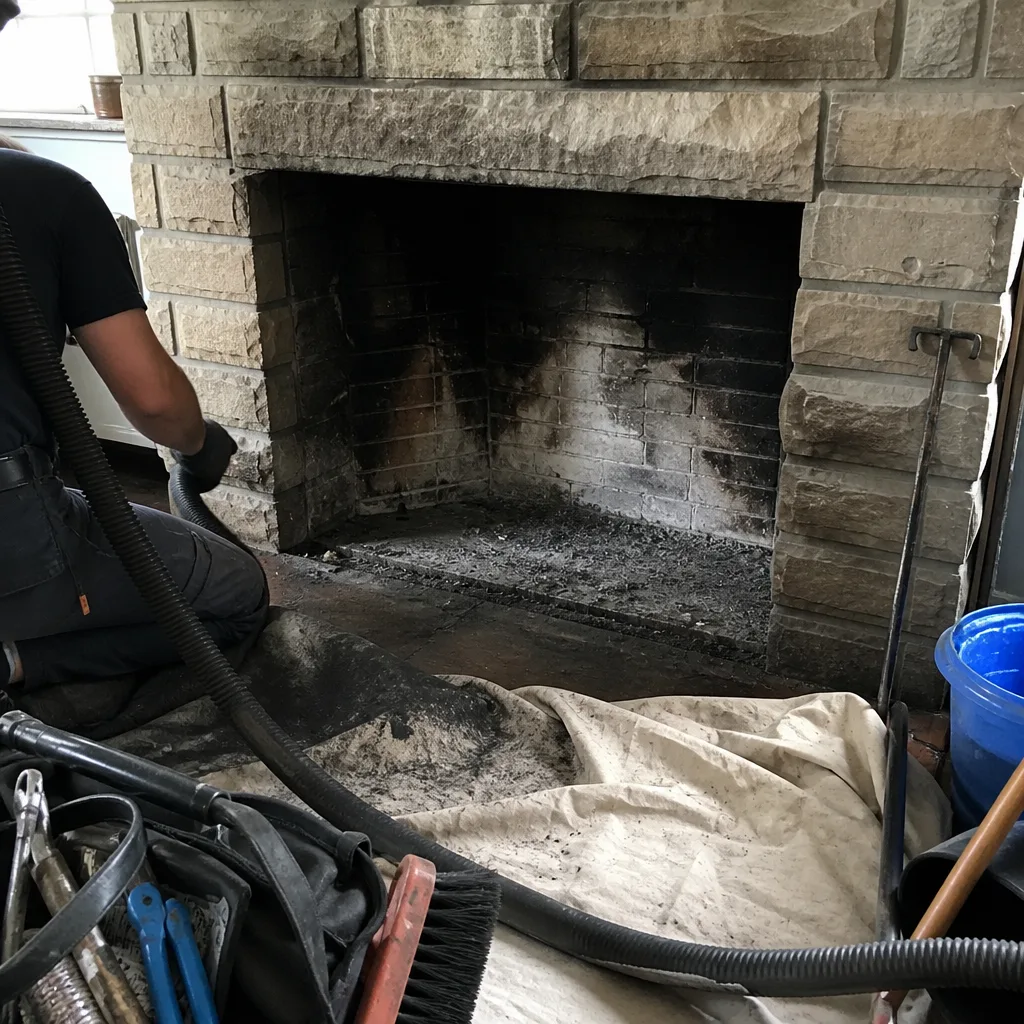
Creosote is the other invisible variable. A thin glaze of creosote looks like nothing from the firebox, but glazed creosote – the hard, shiny, tar-like stage – is the fuel for a chimney fire. You can’t judge creosote stage by looking up from the hearth. Only a sweep with rods and a camera can measure it along the full length of the liner.
So treat “passing” as a starting point, not a finish line. A pass means the visible components are sound. It does not mean the flue is clean, the liner is intact end to end, or the system is safe to burn hard.
Kensington-Specific Maintenance Triggers
Chimneys fail differently depending on where they sit. Kensington adds a few specific pressures worth building into your checklist.
Freeze-thaw cycles
Water gets into masonry, freezes, expands, and pops the surface off. Repeat that over a Kensington winter and you get spalling brick, cracked crowns, and mortar joints that crumble from the outside in. The checklist implication: inspect the crown and exterior mortar joints before the first hard freeze, not after. Waterproofing the masonry and sealing crown cracks in fall pays for itself in avoided repointing.
Urban air quality
Denser neighborhoods mean more particulate in the air around your chimney. That particulate settles on the cap, the crown, and the masonry, and combined with moisture it accelerates surface deterioration. It also means draft matters more – a chimney surrounded by taller rowhouse stacks and nearby trees has to work harder to pull smoke up and out.
Rowhouse proximity
In a Kensington rowhouse, your chimney shares walls, piers, or a stack with your neighbor’s. That changes two things. First, a defect on your side can affect the shared structure – water tracking through a shared crown, for instance. Second, height differences between neighboring stacks affect draft. If your neighbor’s chimney was raised, capped, or rebuilt, your draft can change without anything happening to your own chimney. It’s worth checking after any major work on an adjoining property.
Older housing stock
Many Kensington homes have chimneys that were built for coal or for open hearths and have been adapted over the decades. Original liners may be unlined, oversized, or fitted with a clay tile that has since cracked. If you haven’t had a camera inspection, you don’t actually know what’s inside your flue – and in older housing that’s the single biggest unknown on this checklist.
How to Log Maintenance History That Protects You
A maintenance log isn’t paperwork for its own sake. It’s the record that answers the two questions that matter most: when you sell, and when your insurer asks.
When you sell a home in Kensington, a buyer’s inspector will look at the chimney. A documented history of annual sweeps and inspections, with photo evidence of liner condition and any repairs, answers the buyer’s questions before they become negotiation points. Sellers who can show a clean history avoid the “we’d like a chimney credit” conversation entirely.
For insurance, the log matters when there’s a claim. If a chimney fire or a carbon monoxide incident occurs and your insurer asks when the chimney was last inspected, “I think we had it swept a few years ago” is a bad answer. A dated record with camera photos is a good one.
What to log
- Every sweep: date, who did it, and what creosote stage was found.
- Every camera inspection: date and the photo report attached.
- Every repair: what was done, what material was used, and the date. If a liner was relined with HeatShield or a new liner installed with Olympia Chimney components, note the product and the date.
- Every cap and crown job: date and scope.
- Any change in appliance – new fireplace insert, new gas logs, a conversion from wood to gas – with the date.
Keep it simple: a folder with the paper reports and a spreadsheet row per visit. Photograph the photo reports. Ten years from now, that log will do more for your sale price than any cosmetic upgrade.
Building Your Annual and Seasonal Schedule
A checklist is only useful if it’s tied to a calendar. Here’s how we’d schedule a Kensington chimney across the year.
Before the burning season
- Open and operate the damper by hand. Confirm free movement.
- Do a flashlight check up the flue from the firebox. Note visible creosote.
- Inspect the firebox for cracked brick and loose mortar.
- Check the cap and crown from the ground with binoculars. Look for cracks, rust, missing mesh, and crumbling masonry.
- Book a professional sweep and camera inspection before the first fire. This is the one that matters most – do it before the season starts, not after the first smoky evening.
During the season
- Watch for smoke rolling into the room when you light a fire. That’s a draft or blockage signal.
- Note any change in how the fire burns – harder to light, less pull, more smell.
- Keep an eye on the firebox for new cracks after a hot burn.
After the season
- Book a post-season sweep if you burned heavily. Creosote that sat all summer has had time to harden.
- Inspect exterior masonry and the crown for freeze-thaw damage from the winter just past.
- Address any cap or crown issues before the next freeze.
For a gas fireplace, the schedule is shorter but not zero. Gas appliances still need annual inspection for venting and carbon monoxide safety. If you’re not sure how often your specific setup needs a visit, a chimney sweep can tell you in one inspection.
Common Mistakes to Avoid
- Treating a visual inspection as a full inspection. A glance from the firebox misses the liner, smoke chamber, and upper flue entirely. Only a camera inspection covers the full length.
- Skipping the crown because “the chimney looks fine from the street.” Crown cracks are small, high up, and the leading cause of water damage. Check them before every winter, not just when water shows up inside.
- Assuming a metal cap means you’re protected. A rusted cap with missing mesh lets birds and rain in just as easily as no cap. Check the mesh and the fit, not just the presence of metal.
- Not logging anything. A sweep without a written record is a phone call you paid for and can’t prove. Keep the report and the photos.
- Burning unseasoned wood to save on fuel. Wet wood loads the liner with creosote faster and deposits it deeper. Dry, seasoned wood burns cleaner and protects the liner.
- Ignoring a change in draft after a neighbor’s chimney work. In a Kensington rowhouse block, changes to adjoining stacks affect your draft. If smoking starts after work next door, get it checked.
- Waiting until something smells or smokes to book a sweep. By the time you notice, the creosote stage has usually advanced. Prevention is the entire point of a checklist.
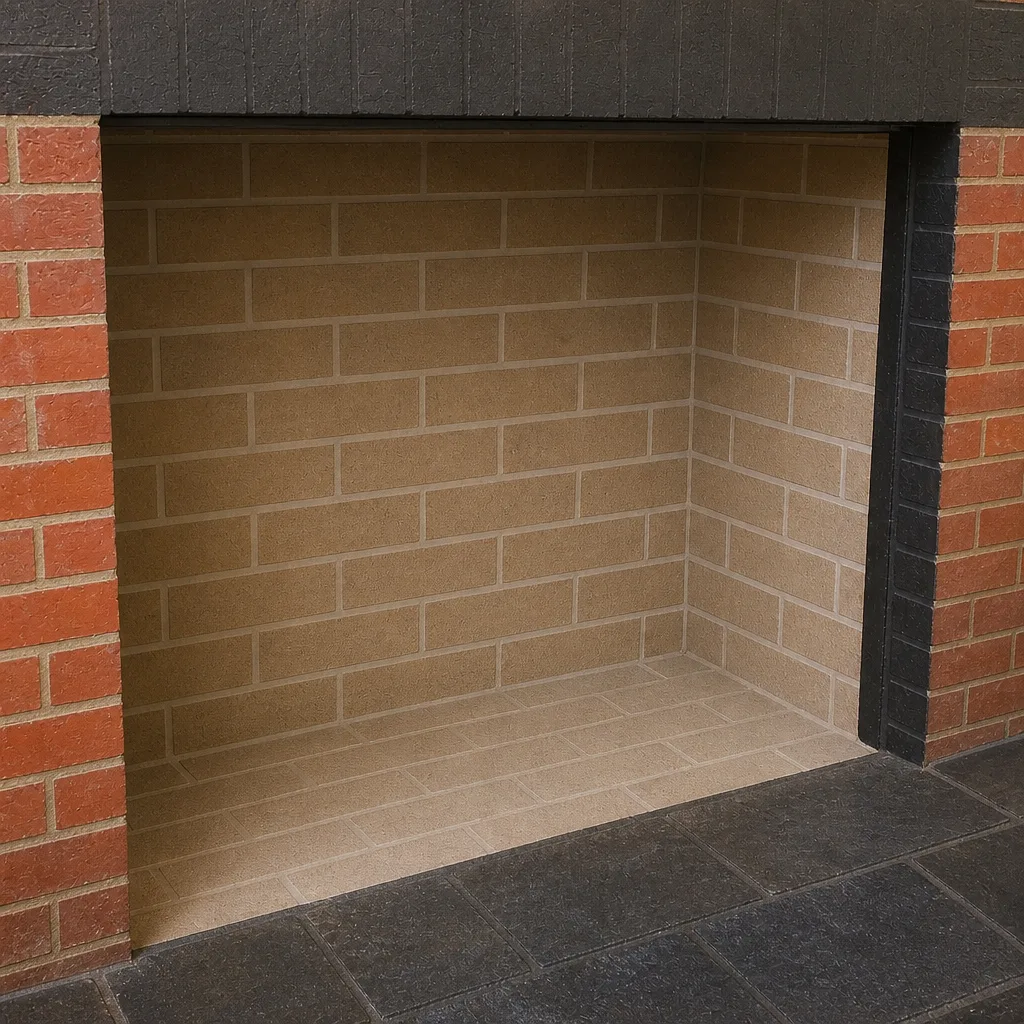
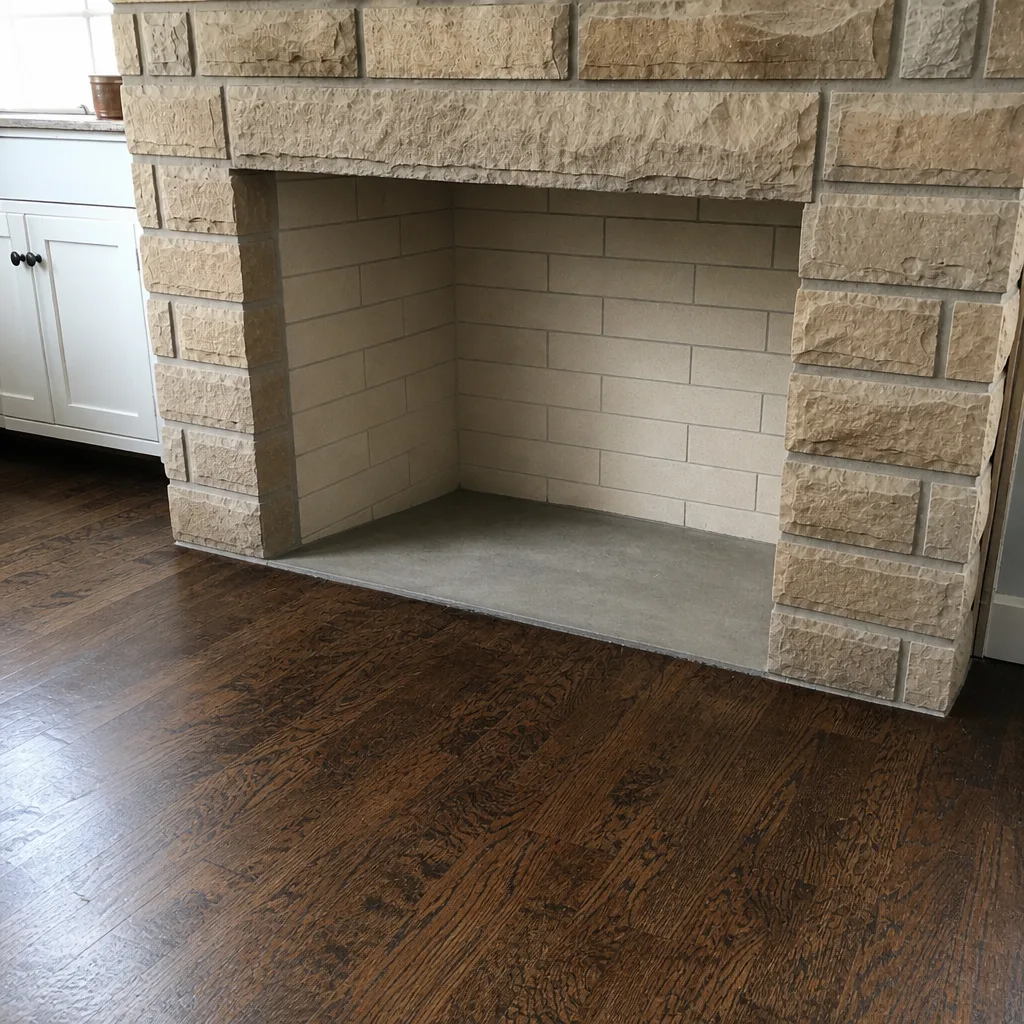
See the difference
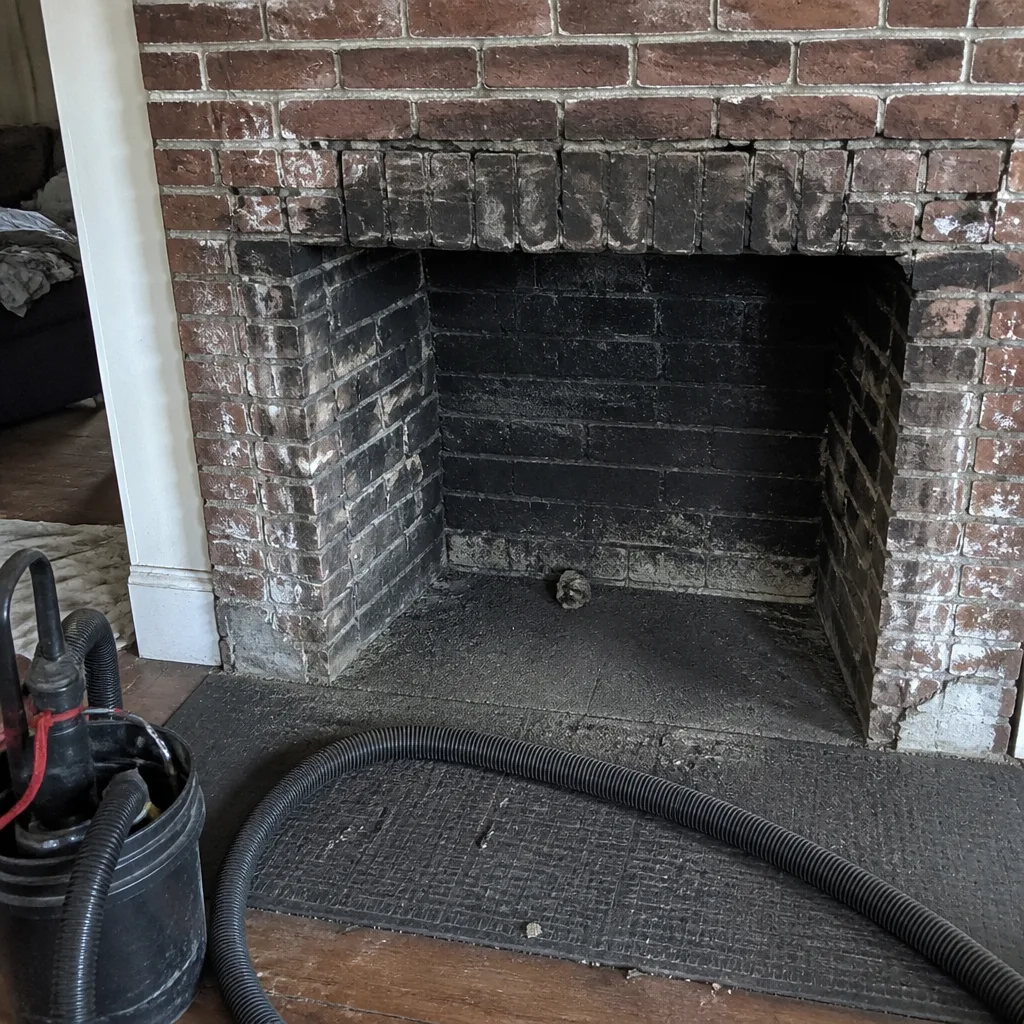 Before
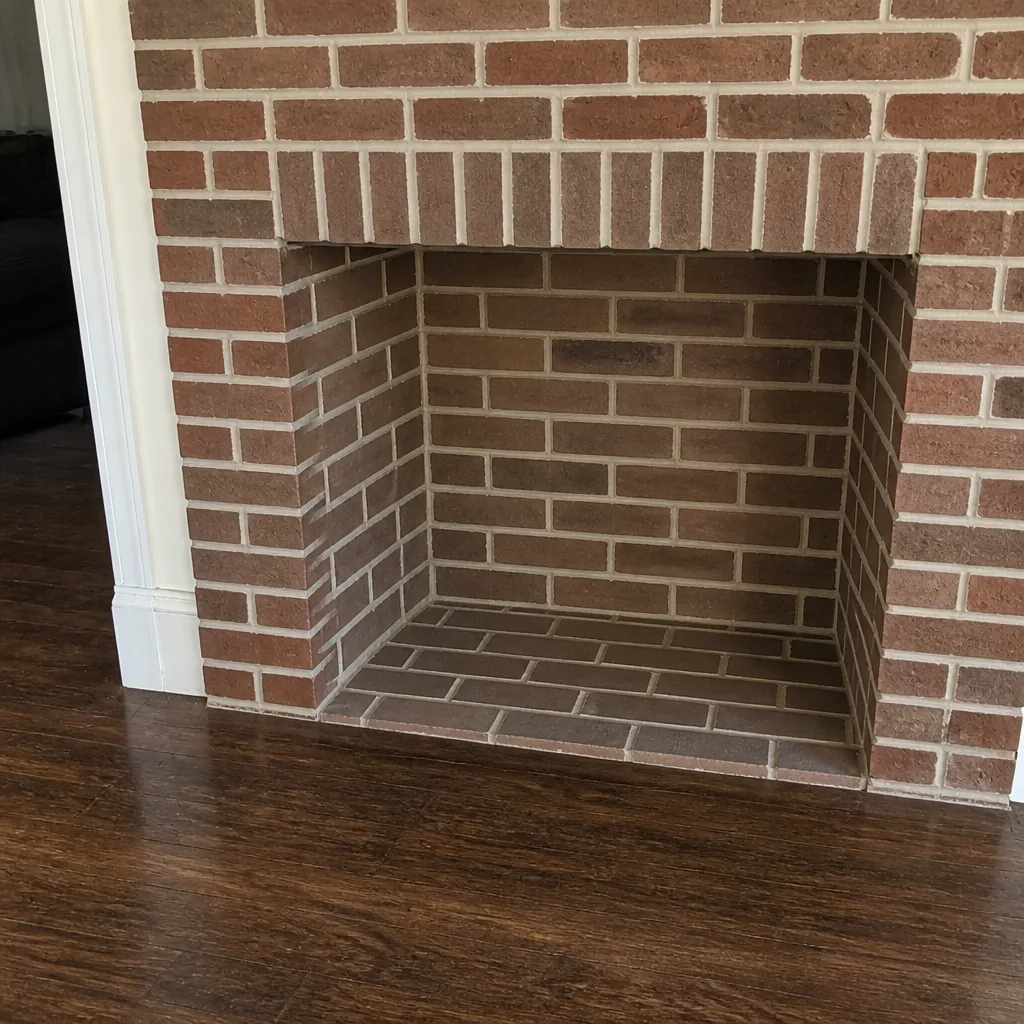 After
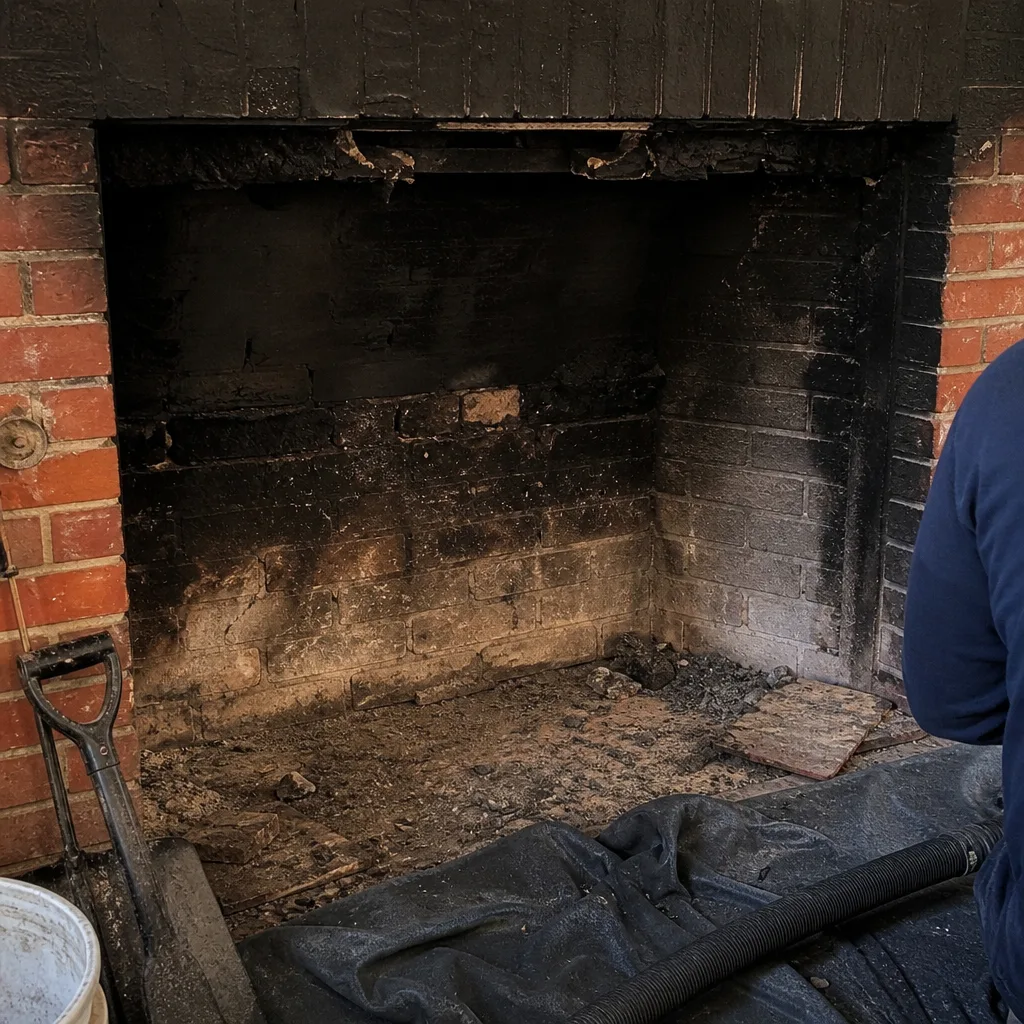 Before
 After
 Before
 After
When to Call a Professional
Some items on this checklist are yours to handle, and some are not. Call a professional if you find cracked firebrick beyond a hairline, a damper that won’t move or won’t seal, visible creosote above the damper, cracks in the crown, a missing or damaged cap, crumbling exterior mortar, or any change in how your fire burns or drafts. Call before you burn if you haven’t had a camera inspection in the last year – especially in an older Kensington home where the liner history is unknown. And call if a neighbor’s chimney work has changed your draft.
Chimney Sweep Kensington offers free estimates in Kensington – call (855) 974-3360. We answer 24/7. Fast dispatch from 7am to 7pm, Sunday through Friday. Our technicians have up to 9 years of experience, and we can handle everything from a routine Chimney Sweep Kensington visit to a full liner replacement or rebuild.
Frequently Asked Questions
Once a year is the standard for a wood-burning fireplace in regular use, and more often if you burn heavily or notice creosote buildup early. A camera inspection at the same visit confirms liner condition. Call (855) 974-3360 for an exact quote – estimates are free.
No. A visual check from the firebox and the ground confirms the visible components – damper, firebox, cap – but it cannot assess the flue liner, smoke chamber, or the full length of the flue. Those need a camera inspection. A chimney that “looks fine” can still have a cracked liner.
The crown and the cap. Both are visible from the ground with binoculars, both protect the chimney from water, and water is the leading cause of chimney deterioration. Check them before the first freeze, then book a sweep and inspection before the first fire.
Yes, a shorter one. Gas appliances don’t produce creosote the way wood does, but they still need annual inspection for venting and carbon monoxide safety. The cap, crown, and exterior masonry checks apply the same way.
Keep every sweep report, every camera photo report, and every repair record with dates and materials noted. A dated log with photo evidence answers a buyer’s inspector’s questions before they become negotiation points, and it’s the same record an insurer will ask for.
Crown work at the top of a chimney involves roof access and fall risk, so we don’t recommend it. A professional can assess the crack, repair or replace the crown, and check the flashing while they’re up there. Call (855) 974-3360 for a free estimate.
The Bottom Line
A real chimney maintenance checklist tracks six components over a calendar year: firebox, damper, flue liner, smoke chamber, crown, and cap. You can check some of it yourself – the firebox, damper, and cap from the ground – but the liner and smoke chamber need a camera inspection. In Kensington, freeze-thaw cycles and rowhouse proximity add specific triggers to watch for. Log everything with dates and photos, because that log protects you at sale and at claim time. And remember: passing a visual inspection doesn’t mean safe to burn. Call (855) 974-3360. We answer 24/7. Fast dispatch from 7am to 7pm, Sunday through Friday. Written by the team at Chimney Sweep Kensington.