
Last updated November 22, 2026
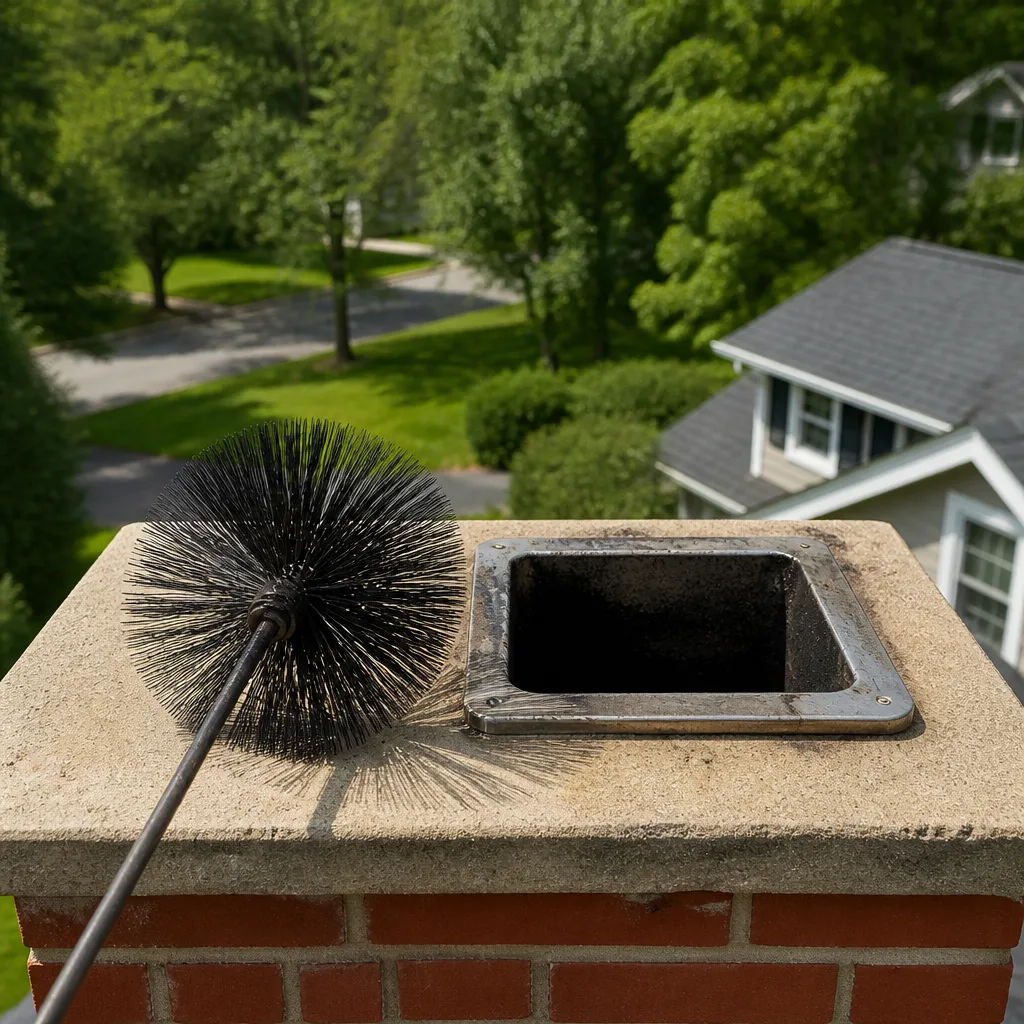 Sweep & inspection
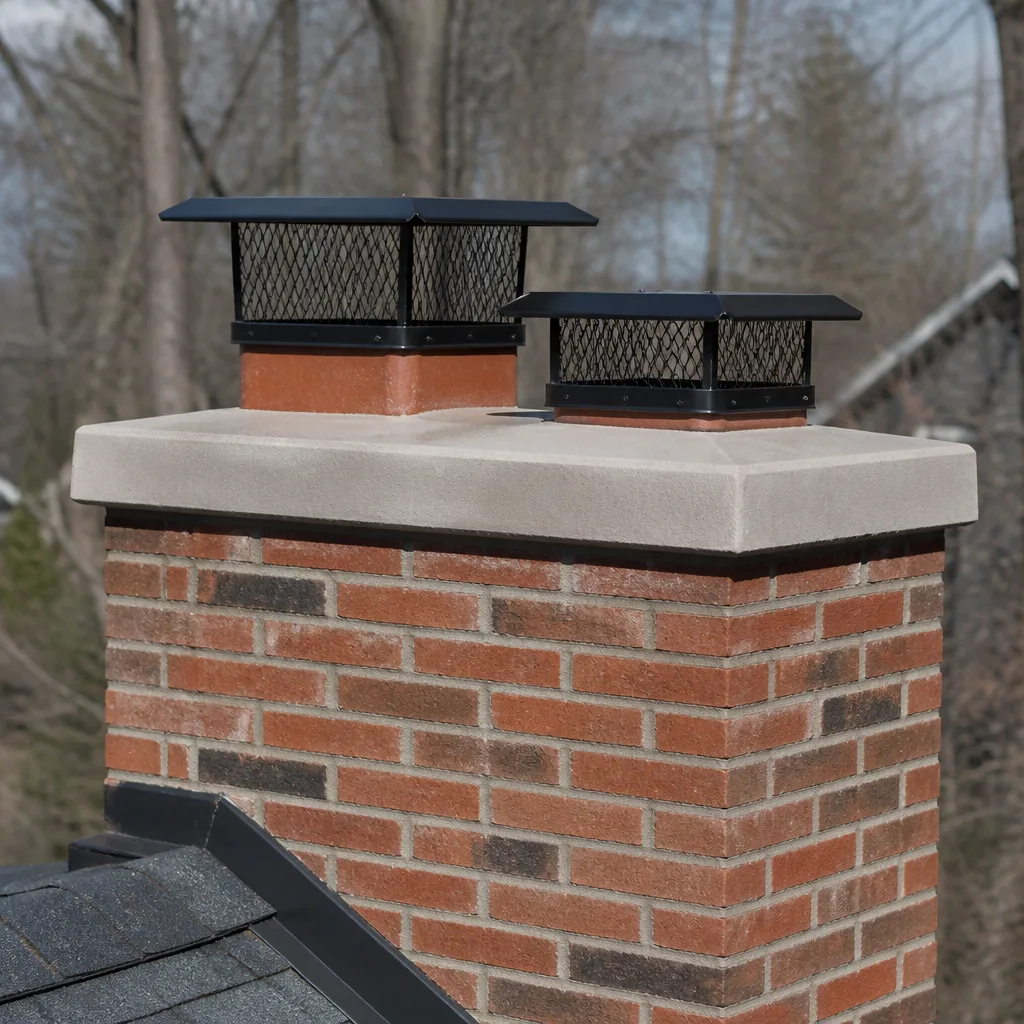 Caps & crowns
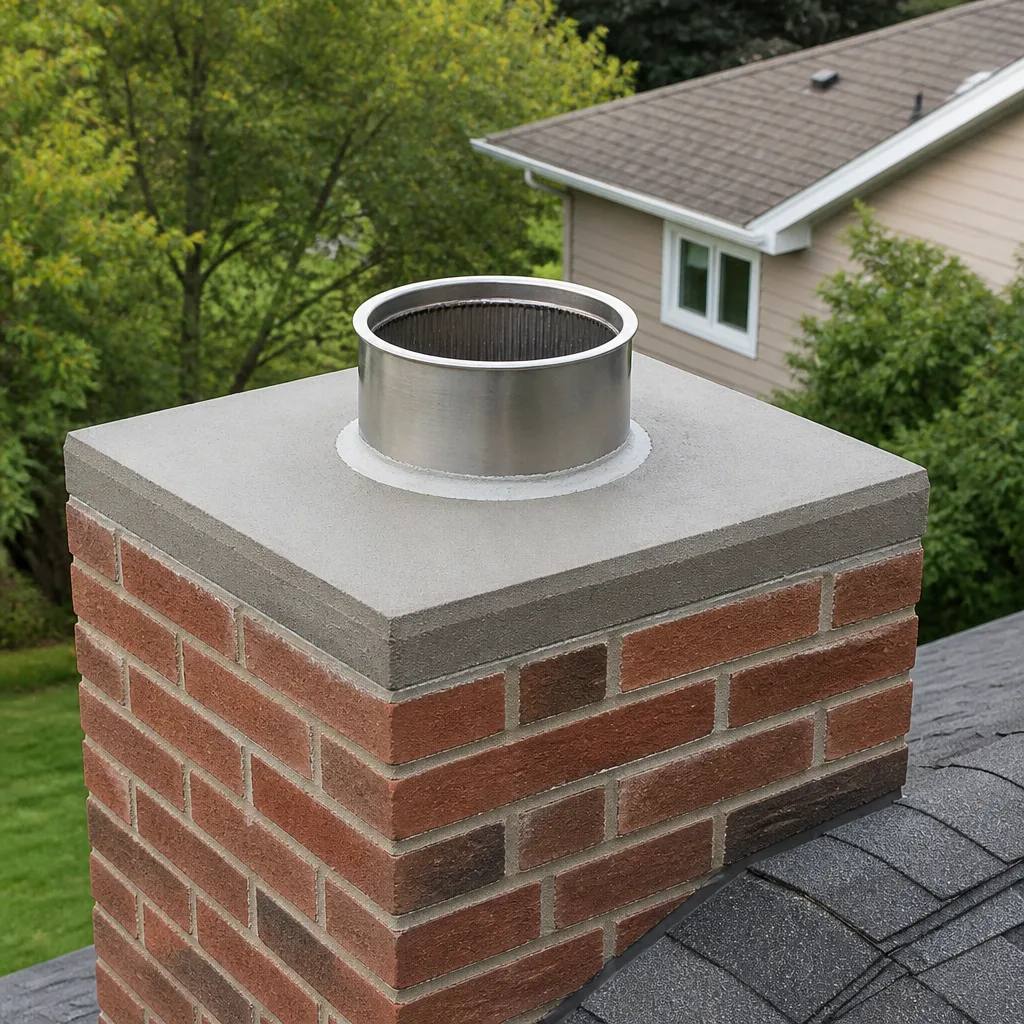 Flue relining
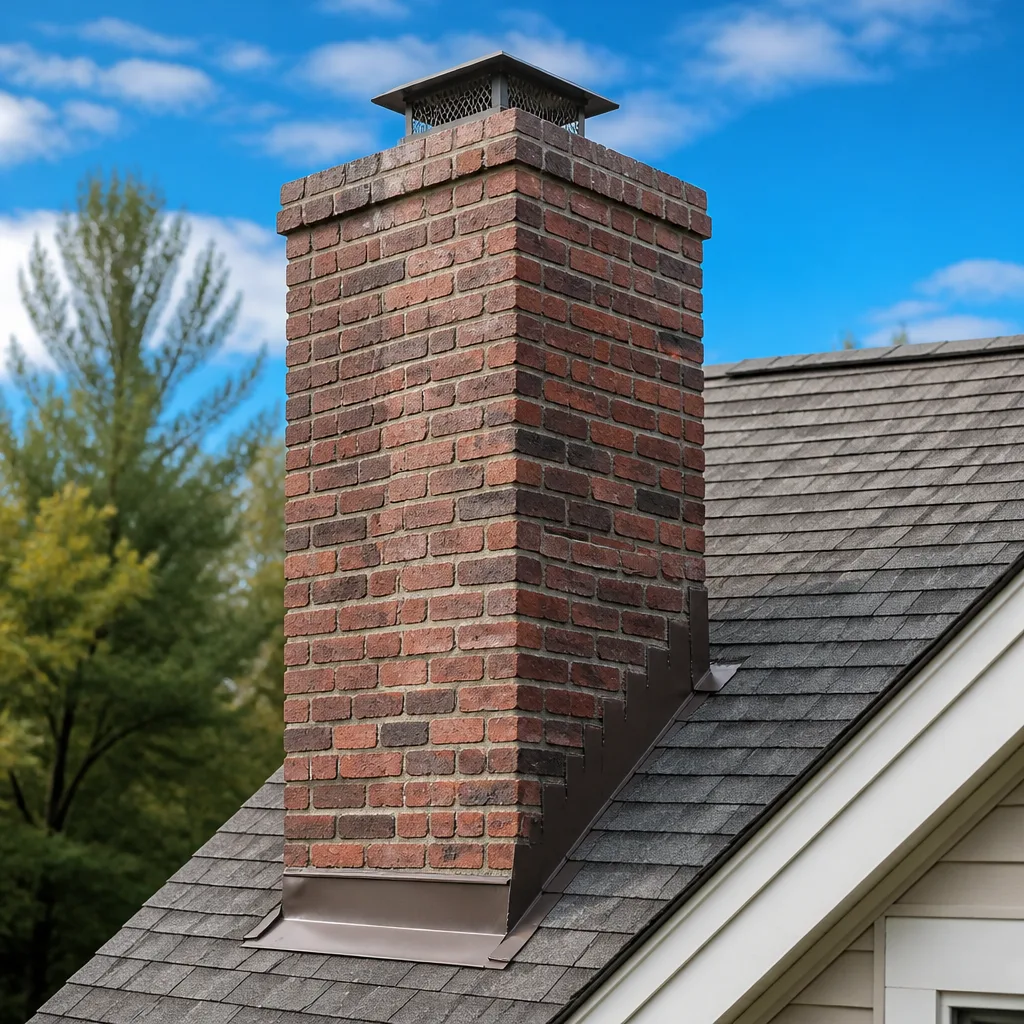 Masonry repair
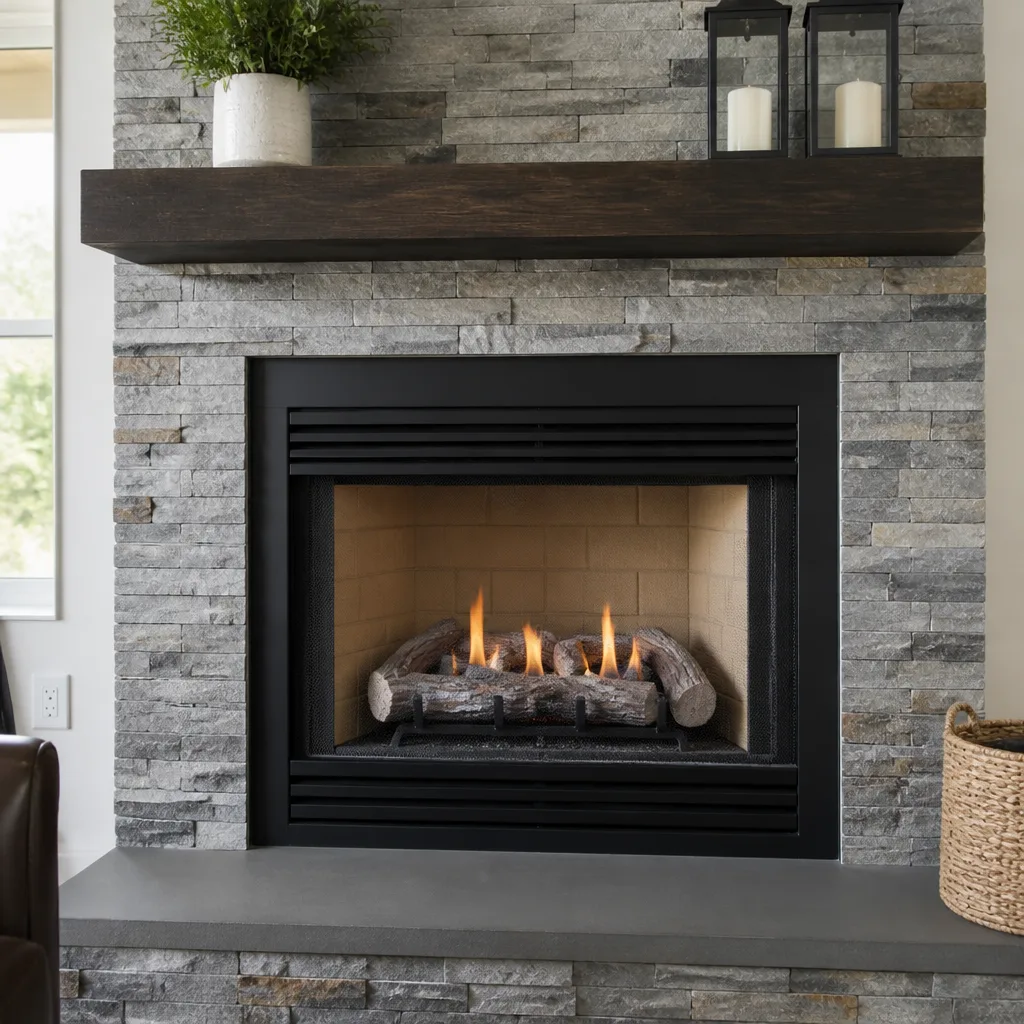 Gas fireplace service
Level 1 sweep and inspection to the NFPA 211 annual standard - flue, crown, cap, and flashing checked and photographed
Chimney sweep logs do not sweep chimneys. They loosen some creosote - which then falls where a brush and vacuum still have to collect it.
Seasonal Chimney Cleaning Care for Kensington: Year-Round Homeowner’s Guide
October is the worst time to discover your chimney has a problem. It’s also the most common time, because most people don’t think about their chimney until they want to light their first fire of the season. By then the weather has turned, the first cold snap has arrived, and every sweep in the area is booked out. The homeowner who understands that a chimney has a calendar – not just a yearly appointment – catches the small stuff in spring and summer, before it becomes a winter emergency. This guide walks through what each season does to a chimney in Kensington, what to check and when, and how to sequence the work so nothing gets missed.
Quick Answer
Chimney care in Kensington runs on a four-season cycle: sweep and inspect in spring to read what winter burning left behind, watch for moisture and nesting damage through summer, do creosote removal and any repairs in early fall before the first fire, and monitor the flue and cap through winter while the chimney is in active use. The single most important appointment is the spring sweep, because it’s the most diagnostic look you’ll get at your system all year.
Styles & brands we work with
- Sweep & inspection
- Caps & crowns
- Flue relining
- Masonry repair
- Gas fireplace service
Table of Contents
- Spring: The Most Diagnostic Sweep of the Year
- Summer: Moisture, Nests, and Crown Deterioration
- Fall: The Preparation Window Before First Use
- Winter: Mid-Season Checks During Burning Months
- How Kensington’s Freeze-Thaw Cycle Ages Mortar and Crowns
- A Year-Round Care Calendar for Kensington Homes
- Common Mistakes to Avoid
- When to Call a Professional
Spring: The Most Diagnostic Sweep of the Year
A spring sweep tells you more about your chimney than any other appointment on the calendar. Through the burning season, every fire deposits creosote, ash, and moisture vapor on the flue walls. By April, that buildup is a record of how you burned – how hot, how often, what wood you used, how well the damper was managed. A technician reading that record can tell whether your draft is weak, whether you’re burning unseasoned wood, whether the flue is oversized for the appliance, and whether the liner is starting to fail.
That’s why we treat the spring sweep as a diagnostic event rather than a cleaning. You’re not just removing soot; you’re reading the evidence before summer erases it.
What a Spring Sweep Should Include
- A full flue sweep from the firebox up to the top of the flue, with the brush sized to the liner type.
- A camera inspection of the flue interior, so any cracks, gaps, or spalling are documented and photographed.
- A firebox and damper check for warped metal, cracked brick, or a damper that no longer seals.
- A cap and crown look from the roof, checking for cracks, loose mortar, and debris.
- A written report with photos, so you have a baseline for the next inspection.
If the inspection turns up damaged mortar joints or a crown starting to crack, spring is the right time to schedule chimney repair – the weather is workable, and the work gets done long before you want a fire again.
Why Timing Matters in Kensington
By late spring in Kensington, the burning season has wound down and the chimney is cool and dry. That’s the ideal condition for inspection and masonry work. Summer heat makes mortar cure predictably, and fall bookings fill up fast. A homeowner who books the spring sweep gets first pick of the repair calendar, not the leftovers in October.
One more thing spring reveals: how much creosote actually accumulated. If the flue is showing glazed, tar-like creosote, that’s a chimney fire risk that needs attention before the next season starts. A spring sweep catches it while there’s still time to address it calmly.
Summer: Moisture, Nests, and Crown Deterioration
Summer is when a chimney gets quietly damaged. Nothing is burning, so most homeowners assume nothing is happening. In reality, the chimney is doing more work in summer than people realize – and most of the damage we see on Kensington chimneys starts in the warm months.
The Three Summer Threats
- Moisture intrusion. Rain entering through a missing or damaged cap, a cracked crown, or failed flashing is the leading cause of chimney deterioration. Water freezes inside mortar joints in winter and splits them apart. By the time you see the damage, it started in July.
- Animal nesting. Birds, squirrels, and raccoons treat an open flue as prime real estate. Nests block the flue, and the debris they bring in is highly flammable. A cap is the simple fix.
- Crown deterioration during heat expansion. A masonry crown expands and contracts with summer heat. Small hairline cracks open wider with each cycle, and once water gets in, the freeze-thaw damage begins.
What Summer Inspection Should Catch
A summer check is quicker than the spring sweep, but it’s not optional. It should look at the cap, the crown, the flashing, and the top of the flue. If the crown has visible cracks or the cap is missing or damaged, schedule chimney cap & crown work right away. A properly fitted cap with a stainless mesh screen keeps out rain, animals, and debris, and it costs far less than repairing water damage later.
Summer is also a good time to schedule a liner assessment if the spring inspection flagged anything. Liner work is a big job, and doing it in warm, dry weather means no rush and no fire-season deadline. Copperfield and Olympia Chimney liner systems are two of the professional-grade options that hold up under the heat cycling a Kensington chimney sees each year.
Fall: The Preparation Window Before First Use
Fall is the window most people know about – but fewer homeowners know the right order of operations. Doing the steps out of sequence wastes money and can bury a problem that should have been fixed first.
The Order That Works
- Sweep first. A fall sweep clears the summer’s dust, any nesting debris, and any residual creosote so the inspection is accurate. Don’t inspect a dirty flue.
- Inspect second. Camera the flue, check the firebox, damper, cap, crown, and flashing. Note every issue before deciding on repairs.
- Repair before cold weather. Any crown cracks, loose flashing, damaged mortar, or failing liner should be handled now, while the masonry is still workable and the schedule is open.
- Test the draft. Before the first fire, do a smoke test or a draft check to confirm the flue is pulling properly.
- Stock dry wood. Seasoned firewood – split and dried for at least a year – burns hotter and cleaner, which means less creosote buildup through the winter.
If the fall inspection turns up a liner issue, we can walk through the options: a HeatShield resurfacing for a liner that’s still structurally sound, or a full DuraFlex relining if the original is beyond repair. The right answer depends on the chimney’s actual condition, not a one-size-fits-all package.
Why Fall Booking Matters in Kensington
By the time the first cold snap hits Kensington, every sweep in the area is booked. If you wait until you want a fire to book an appointment, you’re competing with the whole neighborhood. Booking the fall appointment in September, before the rush, is the difference between being ready for the season and starting it with a cold fireplace.
Winter: Mid-Season Checks During Burning Months
Once the burning season starts, most homeowners step back and let the chimney do its job. That’s mostly fine – but a mid-season check catches problems before they compound. You don’t need a full sweep every month, but you do need to pay attention to a handful of warning signs.
What to Monitor Between Sweeps
- Draft quality. If smoke rolls into the room when you open the damper, or the fire struggles to catch, the flue may be partially blocked or the draft may be compromised.
- Creosote smell. A strong, acrid, tar-like smell in the room, especially on warm days when the fire is out, points to significant creosote buildup.
- Visible soot at the top of the firebox. Heavy soot there usually means the flue is loading up faster than expected.
- Damper operation. A damper that sticks, won’t close fully, or feels loose needs a look before it fails.
- Cap and crown condition. A winter storm can dislodge a cap or open a crown crack. If you can see the top of the chimney safely from the ground, check it after major weather.
When a Mid-Season Sweep Makes Sense
If you burn heavily – several fires a week through the coldest months – a mid-season sweep is worth scheduling. For a typical Kensington homeowner burning a few fires a week, the standard yearly sweep is usually enough. But if you notice any of the warning signs above, don’t wait for spring. A mid-season sweep is inexpensive compared to the damage a chimney fire can cause.
How Kensington’s Freeze-Thaw Cycle Ages Mortar and Crowns
Kensington’s winters swing above and below freezing repeatedly, and that cycle does more damage to a chimney than a single hard freeze would. Water seeps into a hairline crack in the crown or a porous mortar joint during a mild day, then freezes overnight and expands. The next thaw lets more water in, and the next freeze splits the joint a little wider. Repeat that fifty or a hundred times over a winter, and a small crack becomes a structural problem.
Urban chimneys see this more than suburban ones, for a few reasons. Older brick and mortar stock in dense neighborhoods is more porous and more weathered, and rowhouse chimneys often share a wall or sit close to a neighbor’s, which limits airflow and keeps moisture hanging around longer. Flat roofs, parapets, and tight setbacks also trap water against the chimney in ways an open suburban lot doesn’t. We see crown cracks and spalled brick on Kensington chimneys that would still be intact on a house out in the suburbs of the same age.
What Slows the Cycle Down
- A properly sealed crown. A crown that sheds water instead of absorbing it keeps the freeze-thaw cycle from getting a foothold.
- Repointed mortar joints. Fresh, well-packed joints resist water penetration far better than worn ones.
- A quality cap with a screen. Keeps rain and animals out, which removes two of the biggest sources of moisture and debris.
- Waterproofing on the masonry. A breathable masonry water repellent slows absorption without trapping moisture inside.
If your crown looks cracked or your mortar joints are crumbling, that’s a chimney repair item, and it’s worth addressing before the next winter. A chimney that fails structurally doesn’t do it gradually. It goes from “slightly cracked” to “loose brick” in one bad cold snap.
A Year-Round Care Calendar for Kensington Homes
Here’s what a full year of chimney care looks like, month by month, for a typical Kensington home with a wood-burning fireplace.
Spring (March – May)
- Book the annual sweep and camera inspection.
- Review the inspection report and schedule any repairs.
- Check the cap and crown from the roof while the weather is workable.
- Have the exterior masonry assessed if the chimney is over twenty years old or shows visible wear.
Summer (June – August)
- Get the cap replaced or repaired if the spring check flagged it.
- Schedule liner work if the inspection recommended it.
- Do a mid-summer visual check for nesting debris and crown cracks.
- Waterproof the masonry if it hasn’t been done recently.
Fall (September – November)
- Book the fall sweep and pre-season inspection – before the rush.
- Complete any remaining repairs before the first fire.
- Confirm the damper operates smoothly.
- Do a draft test before lighting the first fire of the season.
Winter (December – February)
- Monitor draft, creosote smell, and damper operation.
- Check the cap and crown after major storms.
- Schedule a mid-season sweep if you’re burning heavily.
- Keep an eye out for smoke backing into the room – a sign to stop burning and call for a check.
Common Mistakes to Avoid
- Waiting until October to book the sweep. By then every sweep in Kensington is booked, and you either start the season cold or pay for a rushed job. Book in spring or early fall.
- Skipping the camera inspection. A sweep without a camera look only cleans the flue; it doesn’t tell you whether the liner is sound. The inspection is where the real information lives.
- Ignoring a cracked crown because “it’s just a hairline.” In Kensington’s freeze-thaw winters, a hairline crown crack becomes a structural repair within a season or two.
- Burning unseasoned wood to save money. Green wood deposits far more creosote, and the extra sweep you’ll need costs more than the wood savings.
- Putting off liner work because the fire “still works.” A compromised liner doesn’t always announce itself. It can burn fine right up until it doesn’t.
- Letting a “sweep-only” company hand you off for repair work. When one company handles the sweep, the inspection, the cap, the crown, and the liner, nothing gets lost between contractors.
- Never checking the cap. A missing or damaged cap is the single most common cause of water intrusion into a Kensington chimney, and it’s also the easiest thing to fix.
See the difference
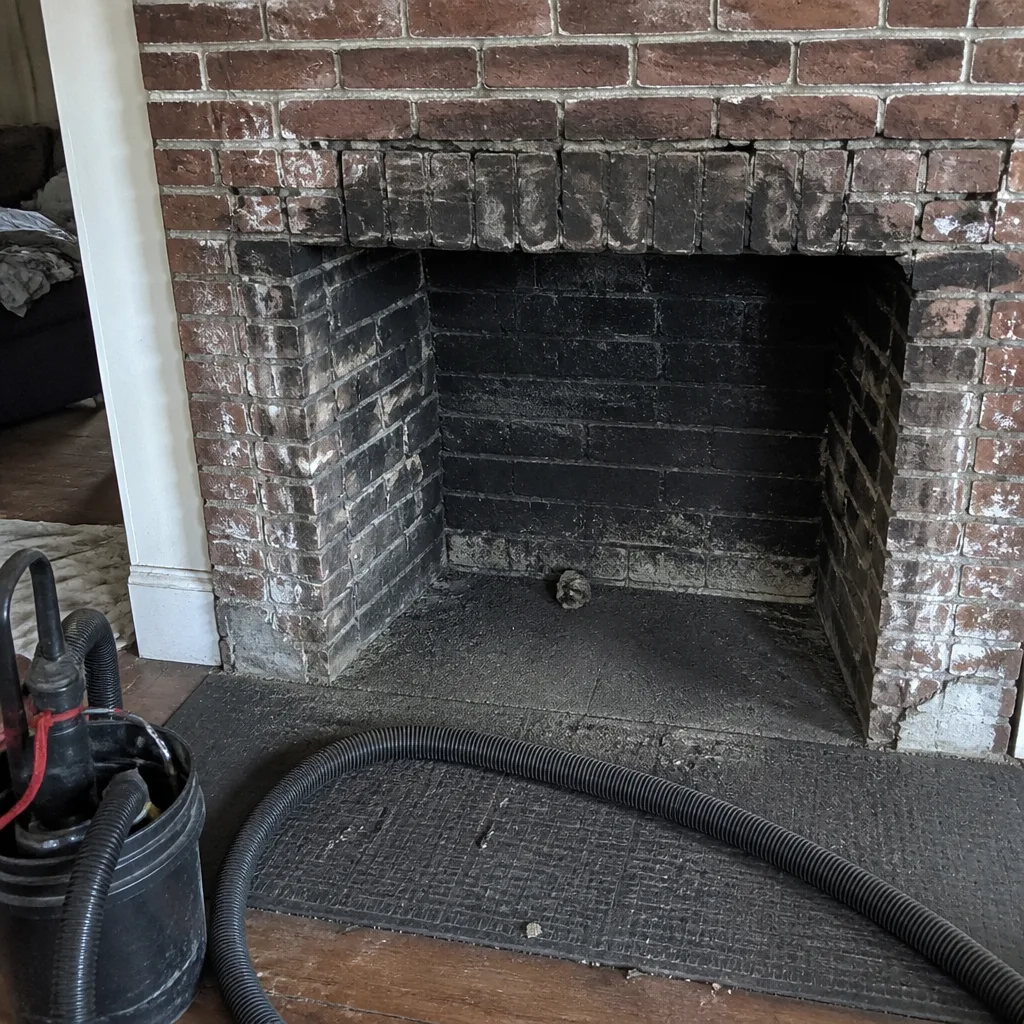 Before
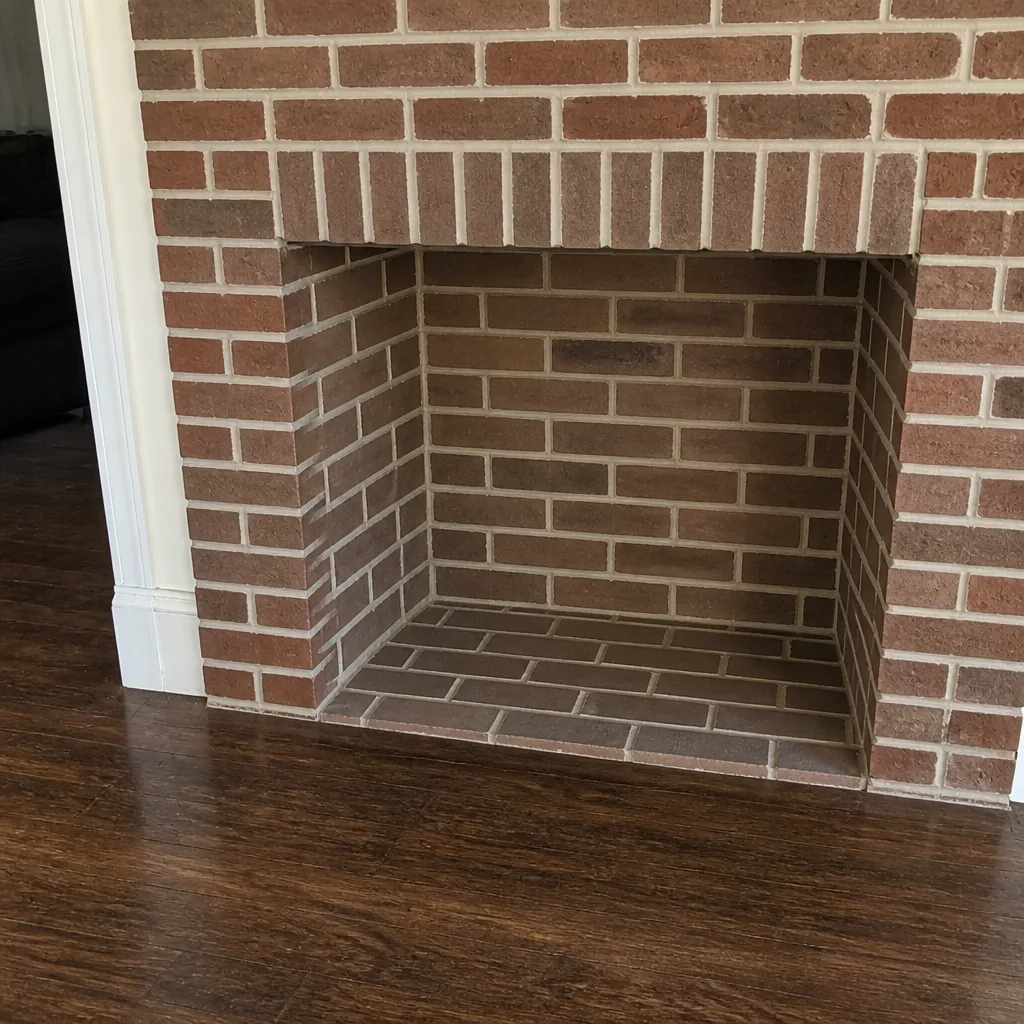 After
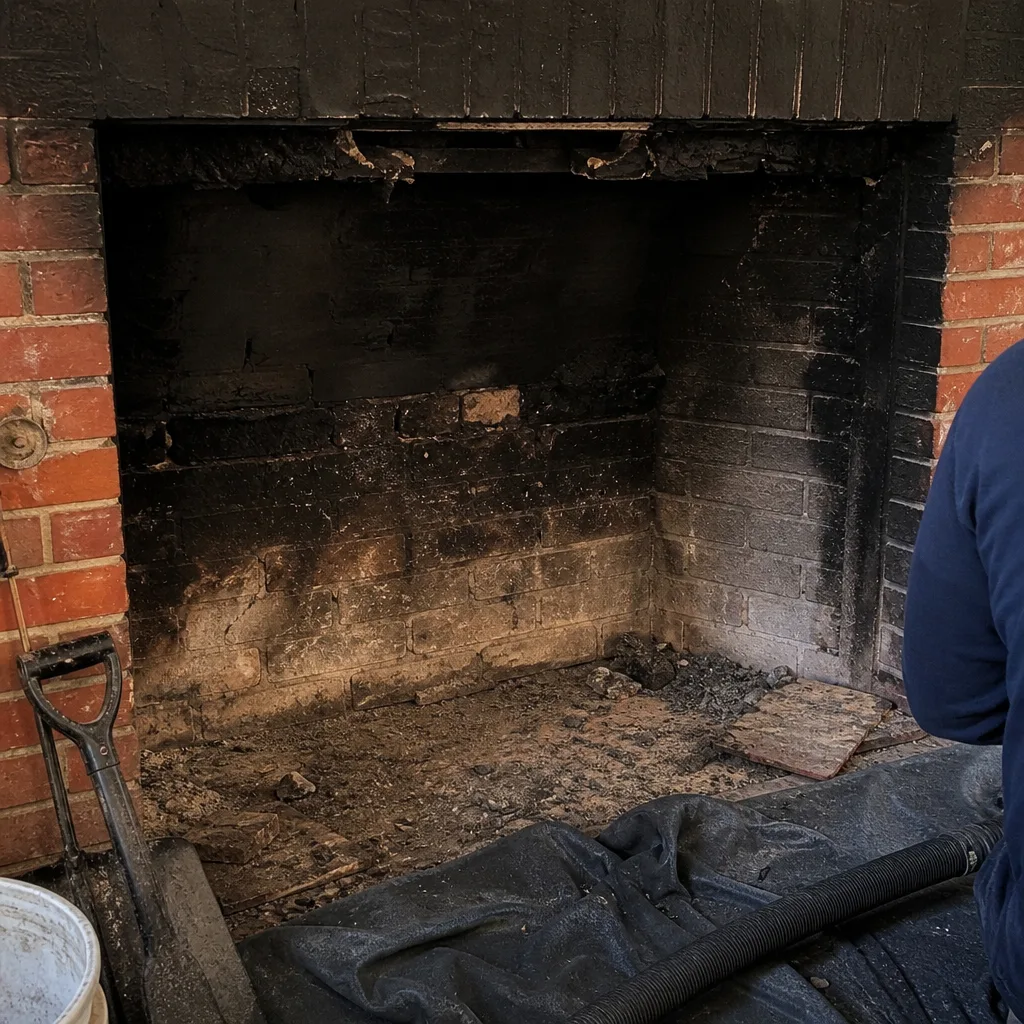 Before
 After
 Before
 After
When to Call a Professional
Some chimney issues are for a homeowner to notice and schedule. Others are for a trained technician to handle. Call a professional if you see cracked or spalled brick on the exterior, a crown with visible cracks, smoke backing into the room, a strong creosote smell even when the fire is out, a damper that won’t operate smoothly, or visible damage to the cap or flashing. Call immediately if you suspect a chimney fire has occurred – even a small one – or if you smell gas near a gas fireplace. And schedule a professional sweep at least once a year, even if you’re not sure you need one.
Chimney Sweep Kensington offers free estimates in Kensington – call (855) 974-3360. We answer 24/7. Fast dispatch from 7am to 7pm, Sunday through Friday.
Frequently Asked Questions
Once a year for most homes, and more often if you burn heavily or notice creosote smell, draft problems, or soot buildup. The yearly spring sweep is the standard baseline; a mid-season sweep is worth considering if you burn several fires a week through the winter.
Spring is best for the annual sweep and inspection, and early fall is the deadline for any repair work before the burning season starts. Summer is the right window for liner installation and cap or crown work, since the weather is dry and the schedule is open. Call (855) 974-3360 for an exact quote – estimates are free.
Only if a camera inspection shows the existing liner is cracked, spalling, or otherwise compromised – and you should be able to see that evidence for yourself in the inspection photos. If the liner is sound, resurfacing with HeatShield is often the better and less expensive option. Nothing is recommended without photographic evidence you can review. Call (855) 974-3360 to book an inspection.
Creosote builds up on the flue walls with every fire. Left long enough, it can ignite, and a chimney fire can damage the liner and spread to the structure. Skipping the sweep also means skipping the inspection, so small cracks and crown damage go unnoticed until they become major repairs. Call (855) 974-3360 to book a sweep – estimates are free.
A basic flue brush is available to homeowners, but the value of a professional sweep is the camera inspection that comes with it – something you can’t do yourself, and where the real information about your chimney’s condition lives. Mortgage and insurance requirements usually favor professional documentation as well. Call (855) 974-3360 to schedule a professional sweep.
Urban rowhouse chimneys sit close together, trap moisture against the masonry, and often use older porous brick and mortar. Combined with Kensington’s freeze-thaw winters, that means crown cracks and spalled joints develop faster than on an open suburban lot. The fix is the same: seal the crown, repoint the joints, cap the flue, and keep up with the yearly inspection. Call (855) 974-3360 for a free estimate.
The Bottom Line
A chimney in Kensington has a seasonal rhythm, and the homeowner who understands it catches small problems before they turn into winter emergencies. Sweep and inspect in spring while the evidence is fresh. Watch for moisture, nests, and crown cracks through summer. Do the repairs and the pre-season check in early fall, before the rush. Monitor the flue and cap through winter, and sweep again if you’re burning heavily. When you’re ready for a full-system look – from the firebox floor to the top of the cap – Chimney Sweep Kensington handles the entire system in one place, with professional-grade materials from Gelco, Olympia Chimney, and Copperfield. Call (855) 974-3360 for a free estimate. We answer 24/7. Fast dispatch from 7am to 7pm, Sunday through Friday.
Written by the team at Chimney Sweep Kensington.