
Last updated November 22, 2026
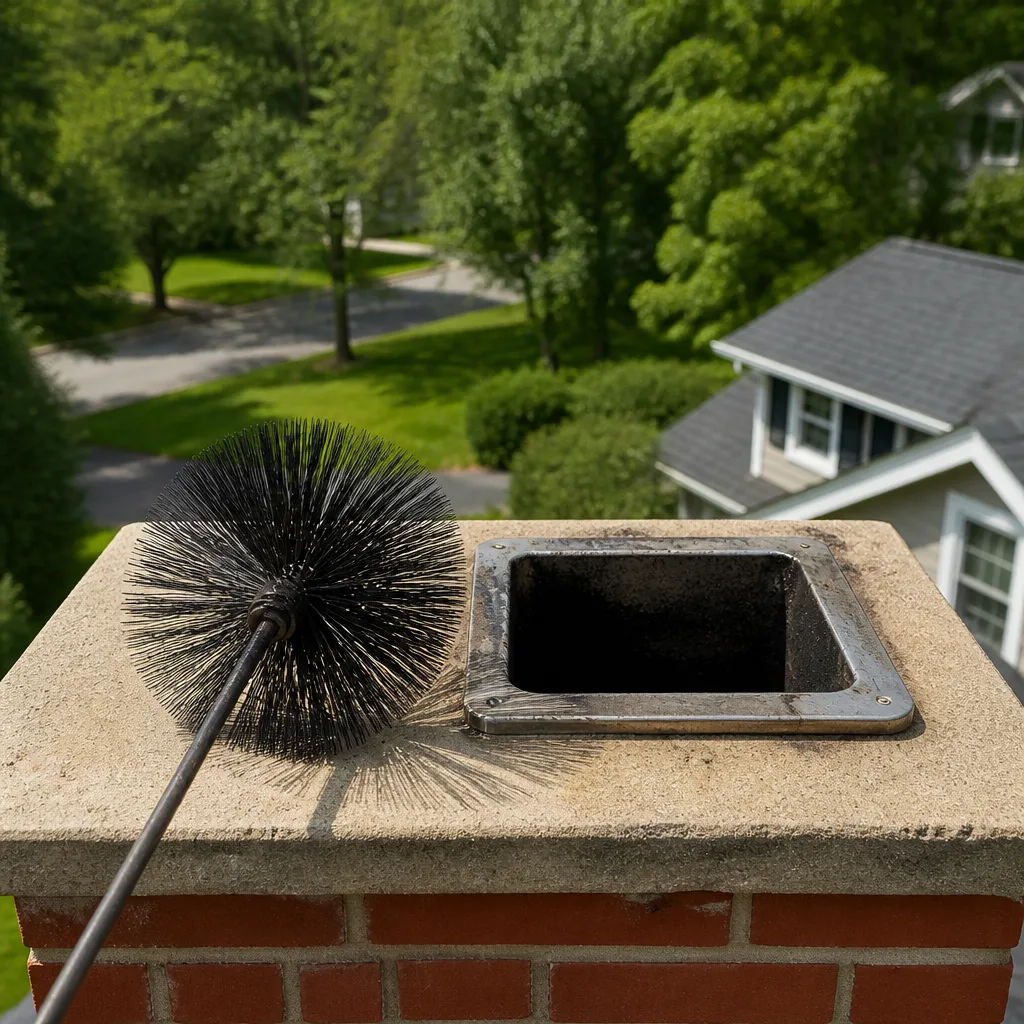 Sweep & inspection
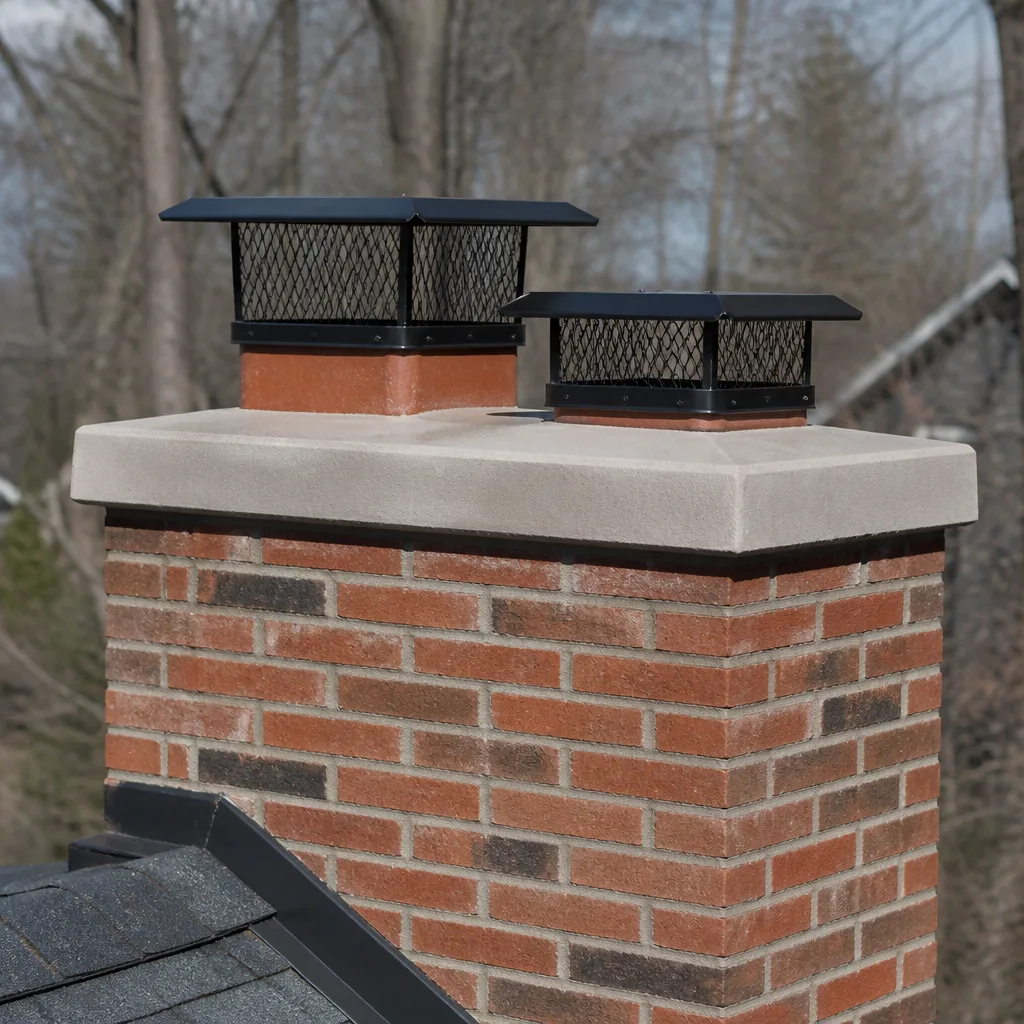 Caps & crowns
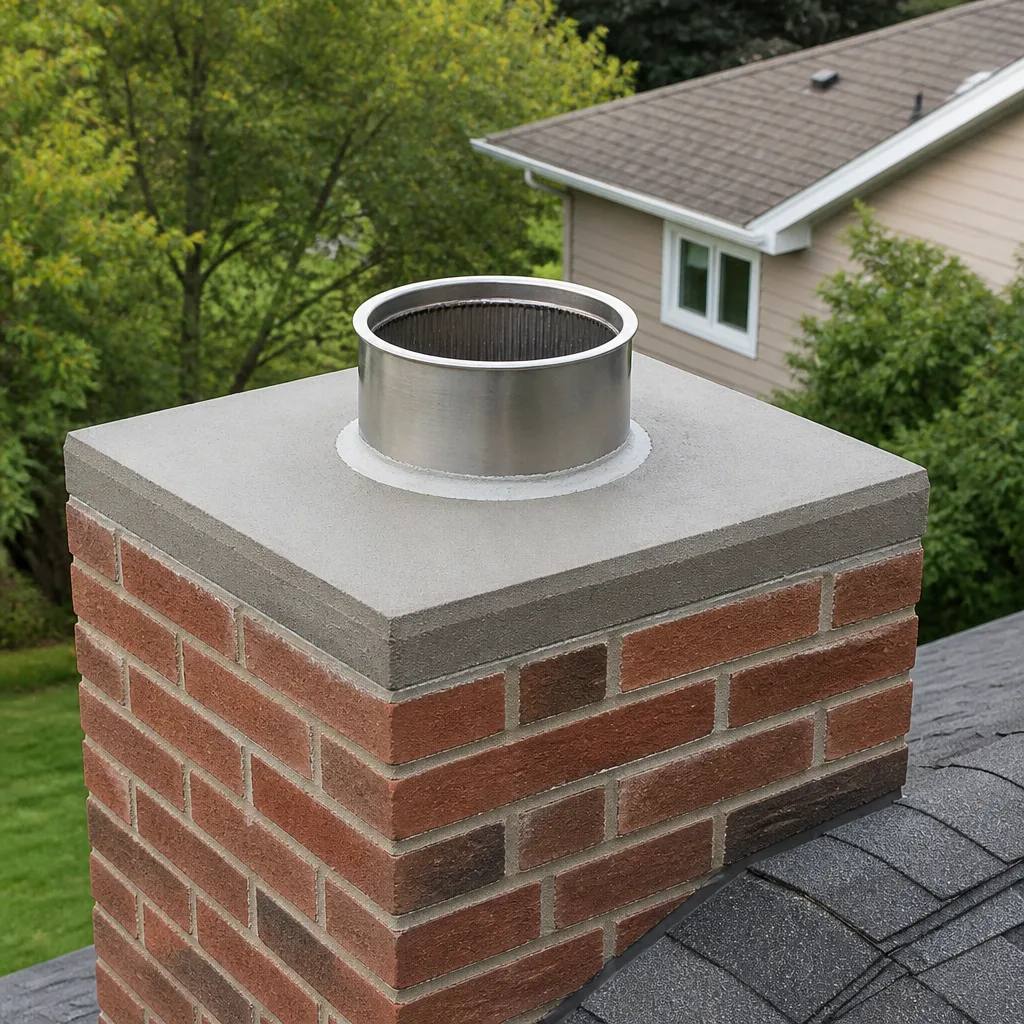 Flue relining
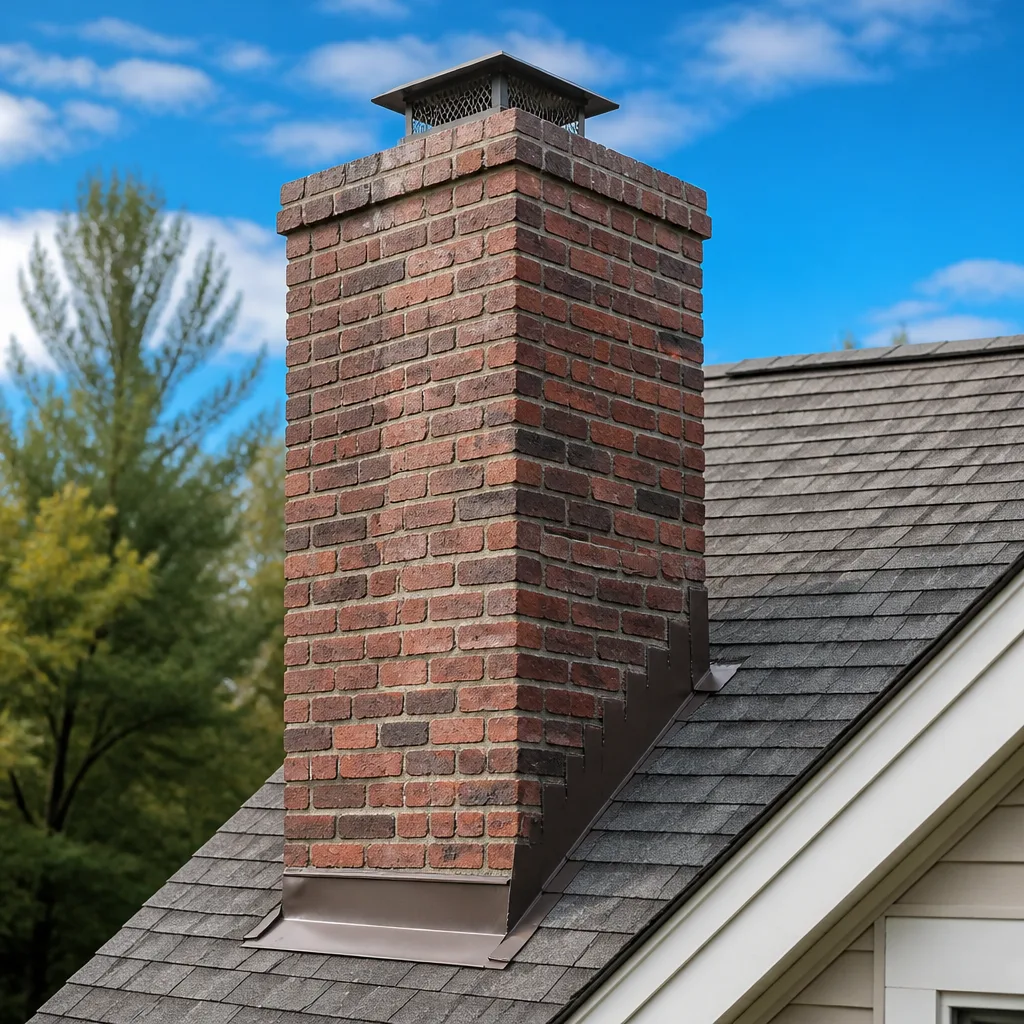 Masonry repair
 Gas fireplace service
Level 1 sweep and inspection to the NFPA 211 annual standard - flue, crown, cap, and flashing checked and photographed
Chimney sweep logs do not sweep chimneys. They loosen some creosote - which then falls where a brush and vacuum still have to collect it.
Chimney Cleaning Warning Signs: A Kensington Homeowner’s Reference Guide
The stains on the outside of your chimney aren’t cosmetic. A white, chalky bloom on brick or a dark streak running down the masonry is a message from the house, and it usually means water is moving through the wall or creosote has soaked into porous surfaces. Most people reach for a scrub brush and forget it. The ones who understand what they’re looking at schedule an inspection before a small problem becomes a structural repair.
That small shift in reading the signals is what this guide is about. It’s written from Kensington, where wood-burning fireplaces get real use through the cold months and the shoulder seasons, and the mechanical wear we see on masonry follows its own local rhythm. We’ll walk through visual, smell, sound, and smoke-behavior warnings, sort them into “monitor and schedule” versus “stop using the fireplace now,” and show you how each one maps to a real system failure. Nothing here replaces an on-site inspection, but you’ll finish with a working vocabulary for what your chimney is telling you.
Quick Answer
Chimney cleaning warning signs break into four families: what you see (stains, cracks, rust, debris), what you smell (creosote, damp soot, or a sharp odor with a headache), what you hear (rattling damper, whistling draft, animal sounds), and how smoke behaves (rollout, backdraft, slow draw). Most of these mean you should schedule service soon; a few mean stop using the fireplace today and get an inspection first. Learning to tell the difference is the single most useful safety skill a Kensington homeowner can develop.
Styles & brands we work with
- Sweep & inspection
- Caps & crowns
- Flue relining
- Masonry repair
- Gas fireplace service
Table of Contents
- Visual Warning Signs Zone by Zone
- Smell Diagnostics: Creosote, Damp, and Carbon Monoxide
- What Chimney Sounds Tell You Structurally
- Smoke Behavior as a Diagnostic Tool
- Monitor and Schedule vs. Stop Using Now
- What a Proper Roof-to-Firebox Inspection Covers
- Seasonal Rhythm for a Kensington Chimney
- How to Prevent the Big Four: Creosote, Water, Blockage, and Cracks
Visual Warning Signs Zone by Zone
Warning signs don’t happen in one place; they show up in a specific zone, and where the sign appears tells you which part of the system is failing. Read these zones separately, because what looks like one problem usually turns out to be two.
- Firebox and interior masonry. Hairline cracks in firebrick, crumbling mortar between bricks, or a damper that won’t seal closed. Firebrick cracking under heat cycling is normal wear; mortar going soft and sandy is not, and usually means moisture is reaching it from outside.
- Exterior masonry. White staining (efflorescence) is the classic sign that water is passing through the brick and carrying mineral salts to the surface. Spalling brick, where faces flake off, is the next stage. Dark streaks are creosote wicking through from the flue, not dirt from the roof.
- Crown. Cracks radiating from the flue opening, or chunks of the crown separating from the top of the chimney. Once the crown cracks, water travels down the inside of the chimney, not just the outside. This is the single most common source of slow internal damage we find on Kensington roofs.
- Flashing. Torn, lifting, or rusted flashing at the roof-to-chimney joint, plus water stains on the ceiling inside. Flashing leaks look like crown leaks from inside the house; only an exterior inspection tells them apart.
- Cap and flue spinner. A missing or damaged rain cap, or a stray leaf and twig line on the roof below the flue, meaning birds or squirrels are using the chimney.
- Interior ceiling and walls. A brownish ring on the ceiling near the chimney chase, or shadows on the wall above the fireplace. These are late signs, not early ones. If you see them, the water has been moving for a while.
Note the location of each sign as you spot it. When you call, describing “efflorescence on the upper exterior, plus a small ceiling ring in the corner” gets you an inspection faster than “my chimney looks off.” That level of detail is how a technician reads the system before climbing onto the roof.
Smell Diagnostics: Creosote, Damp, and Carbon Monoxide
Not all chimney odors are the same warning. Three distinct smells point to three different issues, and one of them is an emergency. Here’s how to tell them apart.
- First-use odor. A smoky, dusty smell on the first few fires of the season. Normal. Dust and stale air burn off as the chimney warms.
- Persistent creosote smell. A harsh, acrid, tarry odor in the room even when the fireplace is off. That means creosote has built up on the flue walls enough to smell. Schedule a sweep. This is not an emergency if you aren’t burning, but it’s a reason to book before the weather turns.
- Damp sooty smell. A wet-ash or moldy smell in the summer, worse after rain. Water is getting into the flue or firebox. Often a cap or crown issue, sometimes a flashing leak. Water and creosote together form corrosive acids that attack masonry and metal liners.
- Sharp, chemical, or headache-inducing smell. This is the one to treat as an emergency. A sulfur-like or sharp “gas” smell with symptoms like headache, dizziness, or nausea while burning points to carbon monoxide. Stop the fire, ventilate the room, and get everyone outside. Call for emergency help first, then call us to inspect the chimney.
Odors in an unused chimney in Kensington are often seasonal: in the humid months, a chimney without a working cap fills with damp air and smells wrong. That’s a symptom, and the fix lives in the crown and cap, not the firebox. A properly fitted rain cap keeps most of that odor out of the living space.
If you smell something and you’re unsure which category it falls into, don’t guess. Call (855) 974-3360. Odor that shows up when the fireplace is off is a professional-inspection question, not a “wait and see” one.
What Chimney Sounds Tell You Structurally
A well-built chimney is quiet. Most sounds we get called about are one of four types, and each maps to a different part of the system.
- Rattling or flapping from the damper area. Usually a loose or warped damper plate, or a rusted damper hinge starting to fail. Left alone, a soft seat means you lose heat up the flue on every fire.
- Whistling or whooshing when the wind blows. Air is moving through the flue faster than it should. Often the result of a missing cap, a poorly fitted top plate, or a chimney that sits above the roof line without the proper rain cap. This is generally a “monitor and schedule” symptom, not an emergency.
- Scratching, fluttering, or chattering in the chimney chase. Animal activity. Birds, squirrels, and raccoons use uncapped chimneys as shelter. If you hear it while a fire is burning, stop the fire: a bird that has been sitting on the damper doesn’t want to share the room. Cap the flue and get a professional to check and clear the obstruction.
- Pops, thuds, or creaking from the masonry. The least common but most serious. Bricks loosening as mortar fails, or a liner shifting out of position, can make a creaking noise you’d struggle to describe but won’t mistake. Get an inspection on the roof, not just from the firebox side.
In our experience, the “noise” some clients describe turns out to be a draft through a cracked damper assembly or a chimney-chase air leak. Both are correctable once identified, and neither requires rebuilding the whole chimney. The inspection tells you which it is. This is where a full-system specialist pays off: the parts of a chimney that can go wrong don’t all live in the same trade, and most homeowners want a single call instead of several.
Smoke Behavior as a Diagnostic Tool
Smoke is the most honest thing your fireplace will ever tell you. The next time you burn, watch what the smoke does before you ever step back. Three patterns, three system failures.
Rollout
Smoke rolls out the front of the firebox into the room instead of going up the flue. That means the firebox isn’t pulling combustion gases up fast enough, and the opening is likely larger than the flue can handle, or there’s a partial blockage above. A cold, narrow flue on a chilly night can also struggle briefly on first light. If rollout resolves within a few minutes on every fire, you have a sizing or blockage issue. If it happens consistently even on warm days, it’s a structural or drafting problem.
Backdraft
Smoke enters the room from the flue when the fire is starting or when the house is under negative pressure. Common causes are an exhaust fan running elsewhere in the house, a tightly sealed home, or a chimney with a cap that’s causing turbulence. Backdraft often resolves with a slight crack in a window near the fireplace. If it happens reliably, the chimney needs a professional look, because the flue may be too short, too wide, or blocked. Never run a fire with backdraft and go to bed.
Slow draw
Smoke goes up, but lazily. The fire struggles, and the glass doors fog. This is the “creeping warning” of the group. Sometimes it’s a dirty flue, sometimes a rusted damper not fully opening, and sometimes the sign of that slow-build creosote layer that changes the flue’s diameter by an inch or two. In Kensington, where we get a real shoulder season of cool nights in spring and fall, slow-draw complaints are commonest in those first fires of the season.
Track smoke behavior across at least three fires before you call. If the pattern is consistent, the next step is a real inspection, not a damp log or an open window. You can book a chimney sweep through a full system specialist and get the diagnosis in one visit.
Monitor and Schedule vs. Stop Using Now
The most useful thing this guide can give you is a triage list. Read the signal, check the list, take the right step. Two categories, and the rules are simple.
Monitor and schedule (book an inspection in the next few weeks)
- Efflorescence on exterior brick, no interior ceiling stains.
- A small crack in the crown, no visible leak yet.
- Creosote smell in the room with fireplace off.
- Slow draw that repeats on most fires.
- Rattling damper, whistling cap, or an animal sound with no fire.
- First-use odor every season.
- Loose or missing rain cap with no blockage.
Stop using the fireplace now
- Smelled carbon monoxide or had a headache, dizziness, or nausea while burning.
- Chunks of interior firebrick or mortar on the firebox floor.
- Scratching or fluttering sounds inside the chimney during use.
- Active water drip inside the firebox, or worse, a drip into the room.
- Rollout or backdraft on every fire.
- A visible glow at the top of the chimney after the fire is out.
- Smoke that leaves a coat on the room within minutes of lighting.
If you see something in the second list and you’re not sure about it, err on the side of stopping. A cold fireplace is an inconvenience. A chimney fire in the flue is not something to test. When you book, ask for a camera inspection so you can see what’s going on up there yourself, rather than taking a stranger’s word for it.
What a Proper Roof-to-Firebox Inspection Covers
A real chimney inspection starts at the cap and ends at the firebox floor, and everything in between is checked, measured, or photographed. Anything less is a cleaning with a light look. Here’s the order we work in, and what each stage is for.
- Crown and cap. Look for cracks, spalling, and a snug rain cap. A loose or rusted cap lets water and animals in.
- Flue and flue liner. Camera inspection to check for gaps, cracks, misaligned tiles, or a failed metal liner. The photo report matters here, and it’s what should drive any repair recommendation.
- Exterior masonry and flashing. Look for efflorescence, spalling, and water paths at the roof joint. This is where most water damage starts.
- Stack and smoke chamber. Check for damaged brick, misaligned flue, or loose mortar.
- Damper and smoke shelf. Confirm operation, seal, and clearance.
- Firebox and interior masonry. Look for cracked firebrick, weakened mortar, and the state of the hearth.
- Creosote level. Measure or evaluate the degree of creosote build-up in the flue. If it’s high, we sweep before assessing repairs. You don’t decide on a liner before the flue is clean.
Those seven stages are why we can tell the difference between a flashing leak and a crown leak, or between a fireplace that needs new firebrick and one that needs a full reline. If you want to see how we handle the routine layer of that inspection, our chimney sweep page walks through the process. If the camera shows a crown issue, the next conversation is ours to have with you in plain terms, with photos.
One thing worth saying directly: no one should tell you that you need a liner or masonry rebuild without showing you the evidence. We don’t. Whatever the camera shows, you see. And when the work can safely wait, we’ll tell you that too.
Seasonal Rhythm for a Kensington Chimney
Kensington’s climate gives a chimney a hard job: cold, wet winters that stress masonry, damp springs that push water through any open crack, and a shoulder season of cool nights when people burn on and off. The local rhythm of chimney problems is predictable once you’ve seen a few years of it.
- Early season (before first burn). Get the annual inspection and sweep in before you light the first fire. This is the best time to catch creosote build-up, a loose cap, and last winter’s damage.
- Winter. Burning season. Watch for slow draw, rollout, odor, and any new sounds. Most warning signs first appear here.
- Spring. Freeze-thaw and rain. Exterior masonry and crown cracks show up as efflorescence and damp smells. Book an exterior inspection, especially after a wet spring.
- Summer. Water damage season. Damp soot smells in the firebox, or animals finding an uncapped flue. A good rain cap pays for itself here.
- Early fall. Pre-season sweep and inspection. Any repair identified in the spring should be finished before the burning months, so you don’t spend the first cold night with a fireplace you can’t use.
Your chimney doesn’t need to be checked monthly; it needs the right check at the right time. A sweep booked before the first fire and a roof-level look in the spring covers most of the risk. That’s genuinely all most homeowners need, unless a warning sign from the second list shows up in between.
How to Prevent the Big Four: Creosote, Water, Blockage, and Cracks
Almost every warning sign in this guide traces back to four causes. Fix the causes and you spend less time reading warning signs.
- Creosote. The residue of incomplete combustion. Burning well-seasoned wood, keeping flue temperatures up, and getting an annual sweep handles it. High creosote plus a flue fire is the most common cause of chimney fires.
- Water. The single biggest driver of long-term chimney damage. A working cap, a sound crown, and correctly fitted flashing are the three lines of defense. If one fails, the others have to take more of the load, and masonry starts to go.
- Blockage. Nests, leaves, and loose mortar can close the flue. A cap with a screen stops most of it. Any animal sound inside the chase is a blocked-flue question until proven otherwise.
- Cracks. Small cracks in the flue liner (in tile or metal) become bigger ones through heat cycling. Catching a cracked liner early is the difference between a modest repair and a full reline. Both are doable jobs, and both should be decided from camera evidence, not from a vague sense that something’s wrong.
For the crown and cap layer specifically, we’ve written more on the signals in our chimney cap & crown guide. If you’re already seeing interior cracking or spalling, the repair path is at chimney repair. And for the annual sweep that keeps all of this in check, the home base is at Chimney Sweep Kensington.
For the materials side: when repair or relining is called for, we specify professional-grade products. Famco for caps, Copperfield for crowns and masonry components, HeatShield for resurfacing a damaged flue, and DuraFlex where a full stainless liner is the right fit. The choice is driven by the chimney’s actual condition, not by what’s most convenient to sell.
Common Mistakes to Avoid
- Wiping off efflorescence instead of finding the leak. The white bloom is the symptom; the water is the cause. Scrubbing the brick makes the wall look better and the masonry wetter.
- Burning “just one more fire” when the smoke rolls out. Rollout means the combustion gases aren’t leaving the room properly. That’s a stop-and-look condition, not a “put another log on” condition.
- Assuming a dirty fireplace means you need a sweep and a liner. Most warning signs are a sweep-plus-inspection, and many liners aren’t needed. Any recommendation should come with photos, not just an estimate.
- Trusting the cap to look fine from the yard. Caps and crowns fail from the top and inside. The view from the ground shows you the least of it.
- Lighting the first fire of the season without an inspection. The most common time to find out about winter damage is the first cold night, when the fire won’t draw.
- Ignoring a damp, sooty smell in the summer. That’s a chimney with a water problem, and water is the leading cause of chimney deterioration. It doesn’t fix itself when the weather changes.
- Treating a headache during a burn as unrelated. Any CO-like symptom while burning means stop, ventilate, and get out. Then call for emergency help before you call us.
See the difference
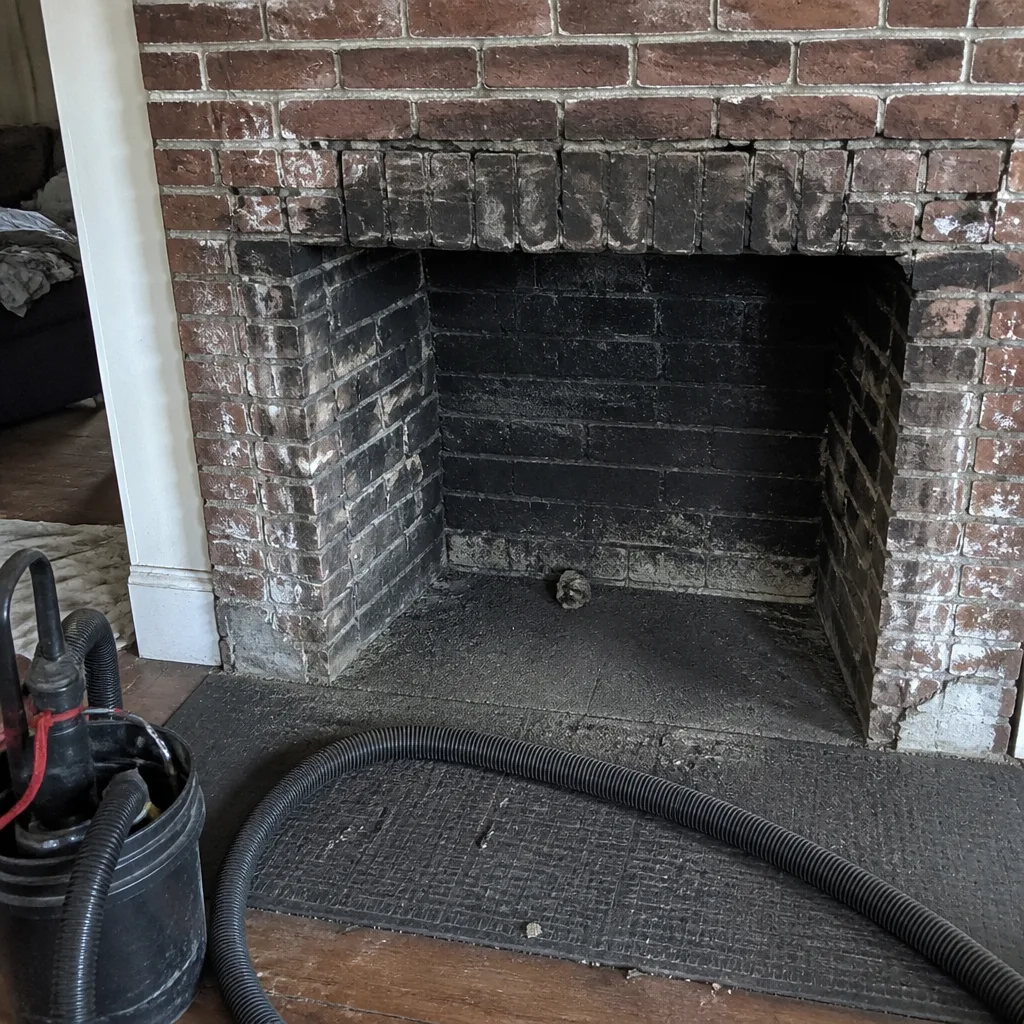 Before
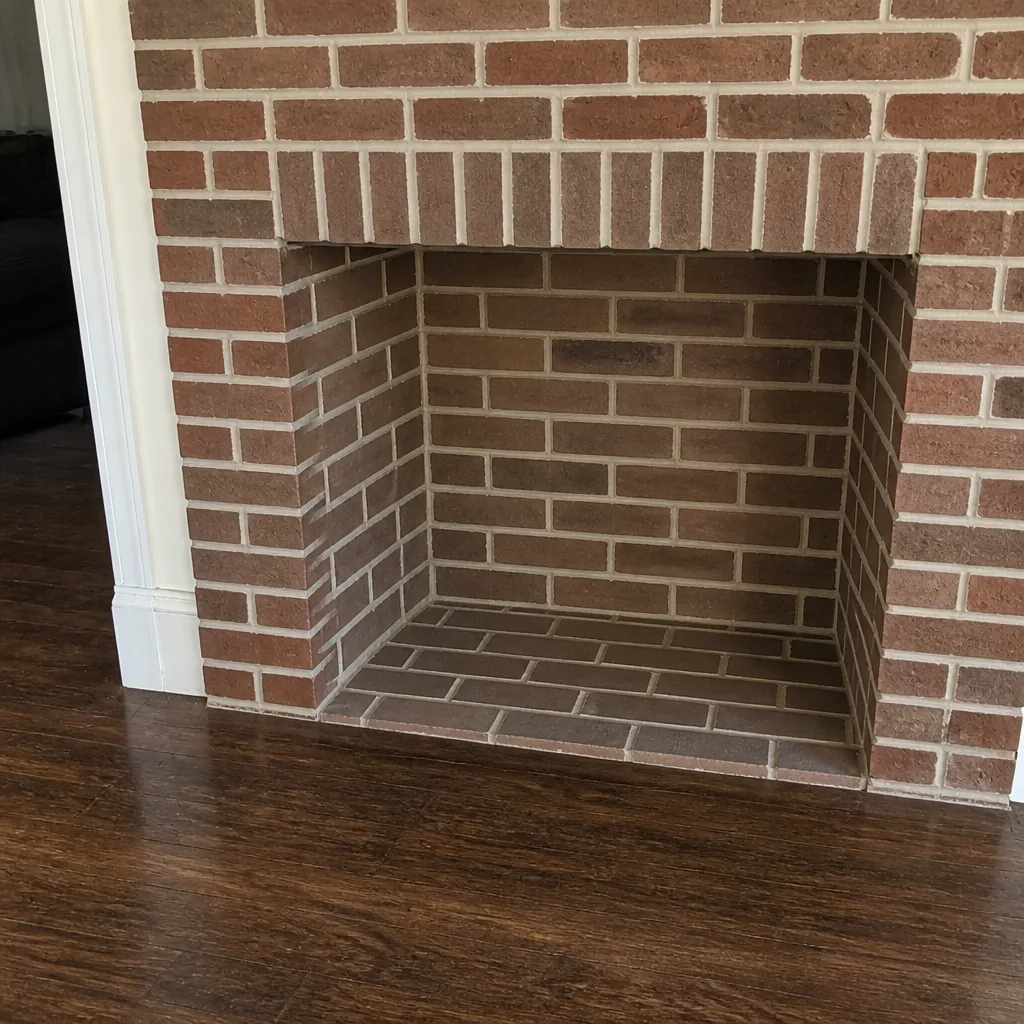 After
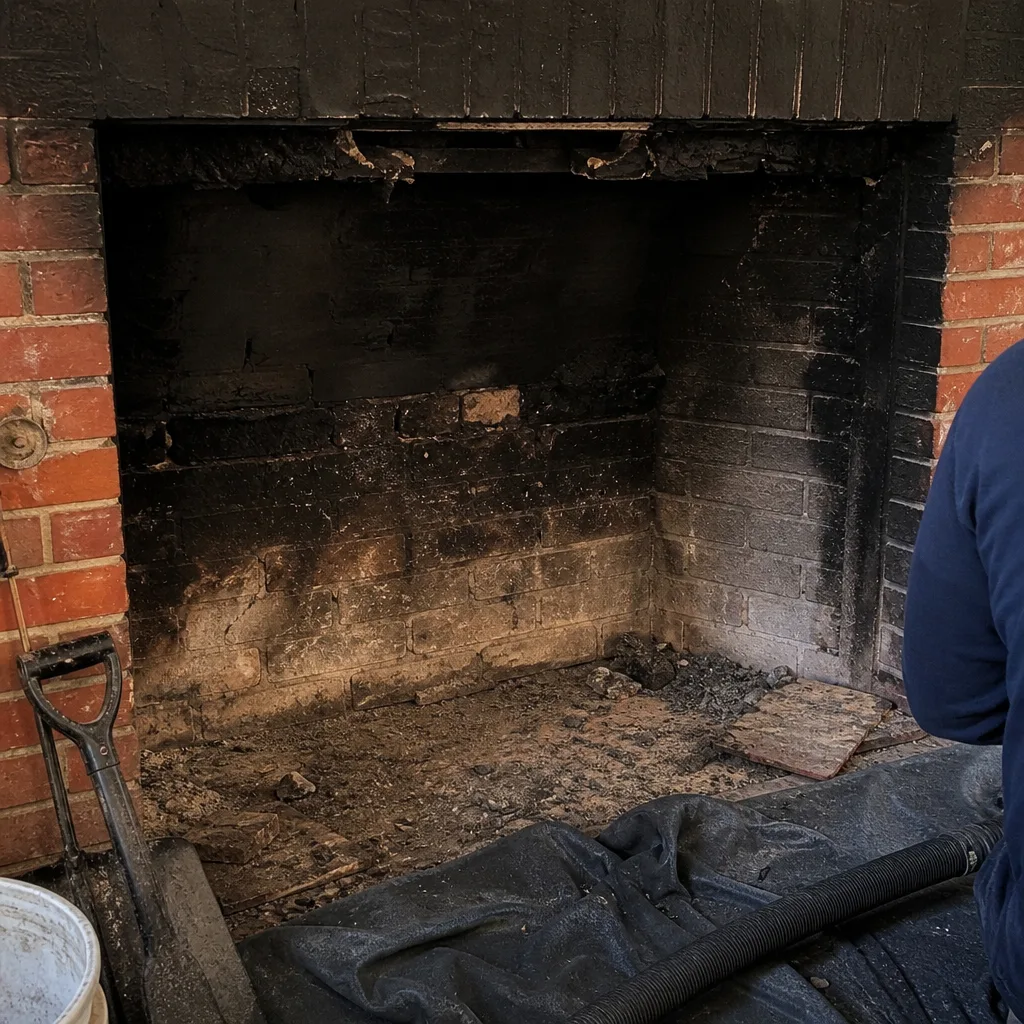 Before
 After
 Before
 After
When to Call a Professional
Call us when a warning sign is in the monitor-and-schedule list and you’d rather have a professional confirm what it is. Call us when a warning sign is in the stop-now list and you need an inspection as soon as possible. Call us when you’re selling a home in Kensington and need a chimney cleared for a real-estate inspection. Call us when a fireplace smells wrong in summer, when the crown is cracked and you want to know if a repair is enough, or when another company told you that you need a full reline and you want a second look with camera evidence. And call us for the annual sweep before the first fire of the season, so you start the burning months with a clean, checked system rather than a hunch. Chimney Sweep Kensington offers free estimates in Kensington, so let’s get a proper look at what your chimney is telling you. Call (855) 974-3360. We answer 24/7. Fast dispatch from 7am to 7pm, Sunday through Friday.
Frequently Asked Questions
A persistent acrid, tarry smell in the room when the fireplace is off is the most reliable everyday sign, and slow draw with a foggy firebox often comes with it. You can’t measure creosote depth without a look at the flue, so a sweep and inspection is the real answer. Call (855) 974-3360 for an exact quote. Estimates are free.
It means water is moving through the brick and carrying mineral salts to the surface, a condition called efflorescence. It’s not cosmetic and it isn’t caused by rain alone: it means the crown, cap, or flashing has lost its water seal. Book a roof-level inspection before it reaches the brick faces, which is when bricks start to spall and the repair gets bigger. Call (855) 974-3360 to schedule.
Brief smoke on first light in cold weather can happen as the flue warms, but rollout on most fires means the fireplace isn’t drawing properly. That’s either a sizing problem, a partial blockage, or a structural issue above. Stop using it and get it inspected. We answer 24/7 at (855) 974-3360. A call outside dispatch hours is booked into the next opening, Sunday through Friday, 7am to 7pm.
A sharp or chemical smell with a headache, dizziness, or nausea while burning is a carbon monoxide signal. Stop the fire, ventilate, get everyone outside, and call emergency services before anything else. Once everyone is safe, call us to inspect the chimney. Carbon monoxide in the living space is not something to diagnose over the phone.
Yes, for any chimney that’s used for wood or gas. An annual sweep and inspection catches the small signs – cracked crown, loose cap, creosote build-up – before they become repairs. If the fireplace is unused, a periodic check still matters, because water and animals damage chimneys that never see a fire. Call (855) 974-3360 to book a Kensington visit.
Yes, and we do. Camera inspection and a photo report come with the visit, so any recommendation rests on evidence you can see for yourself, not on a sales pitch. When the work can safely wait, we say so and you decide the timing. Call (855) 974-3360 for a free estimate.
The Bottom Line
Most chimney warning signs give you months of notice before they become an emergency. The key is reading them in the right zone: exterior masonry points to water, smell points to creosote or gas, sound points to dampers and animals, and smoke behavior points to draw, blockage, or structural failure. Sort each sign into “monitor and schedule” or “stop using now,” and act on it accordingly. A Kensington homeowner who does that, and books a sweep-and-inspection before the first fire each season, rarely gets a bad surprise. If you’d like a trained eye on your chimney before you light up, we’re here. Call (855) 974-3360 to set up a visit. We answer 24/7, with fast dispatch from 7am to 7pm, Sunday through Friday.
Written by the team at Chimney Sweep Kensington.