
Last updated November 22, 2026
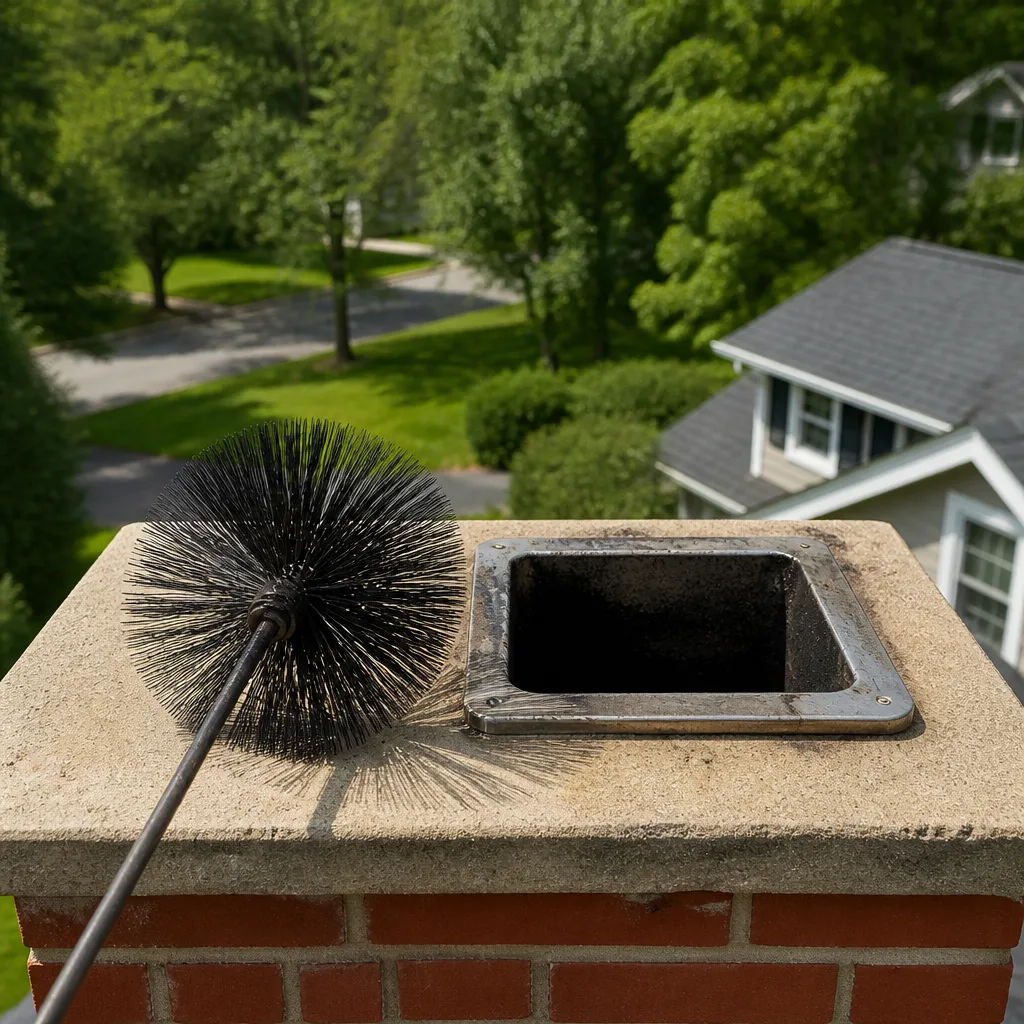 Sweep & inspection
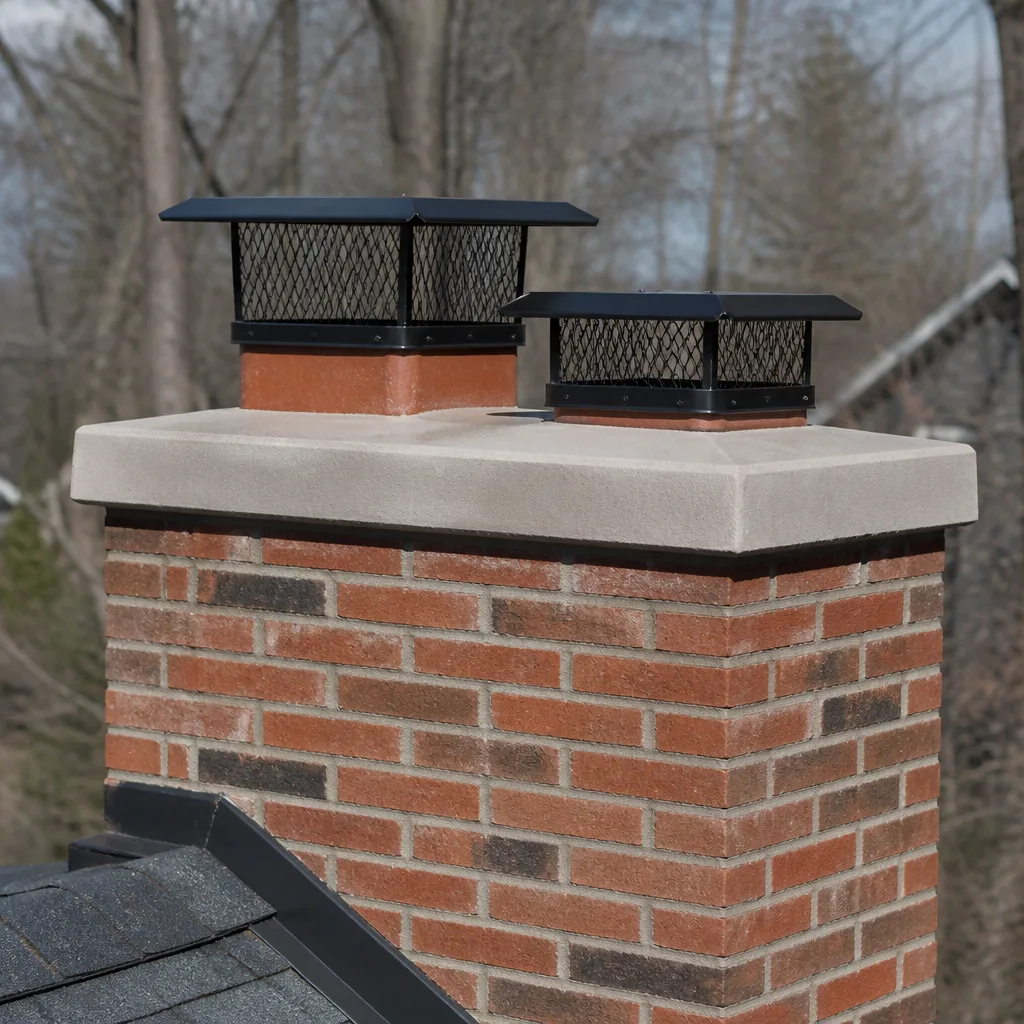 Caps & crowns
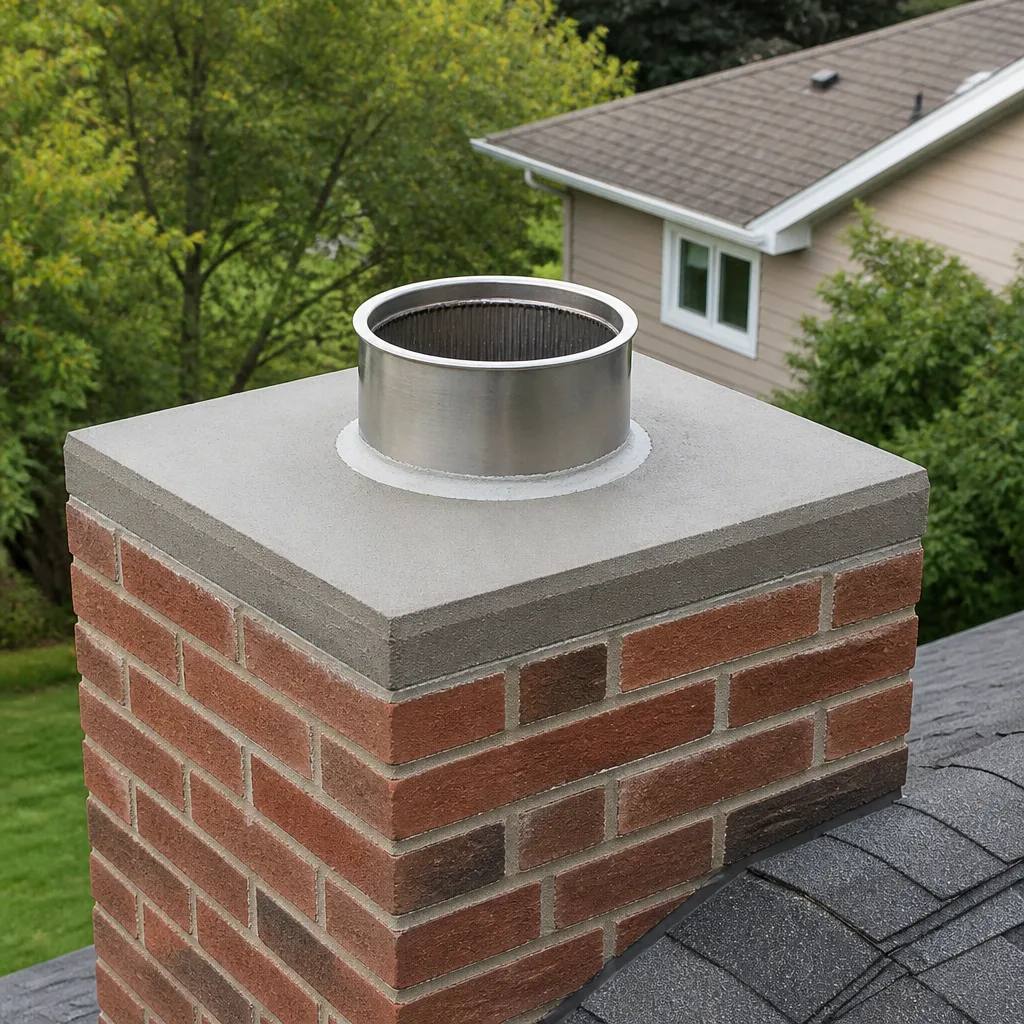 Flue relining
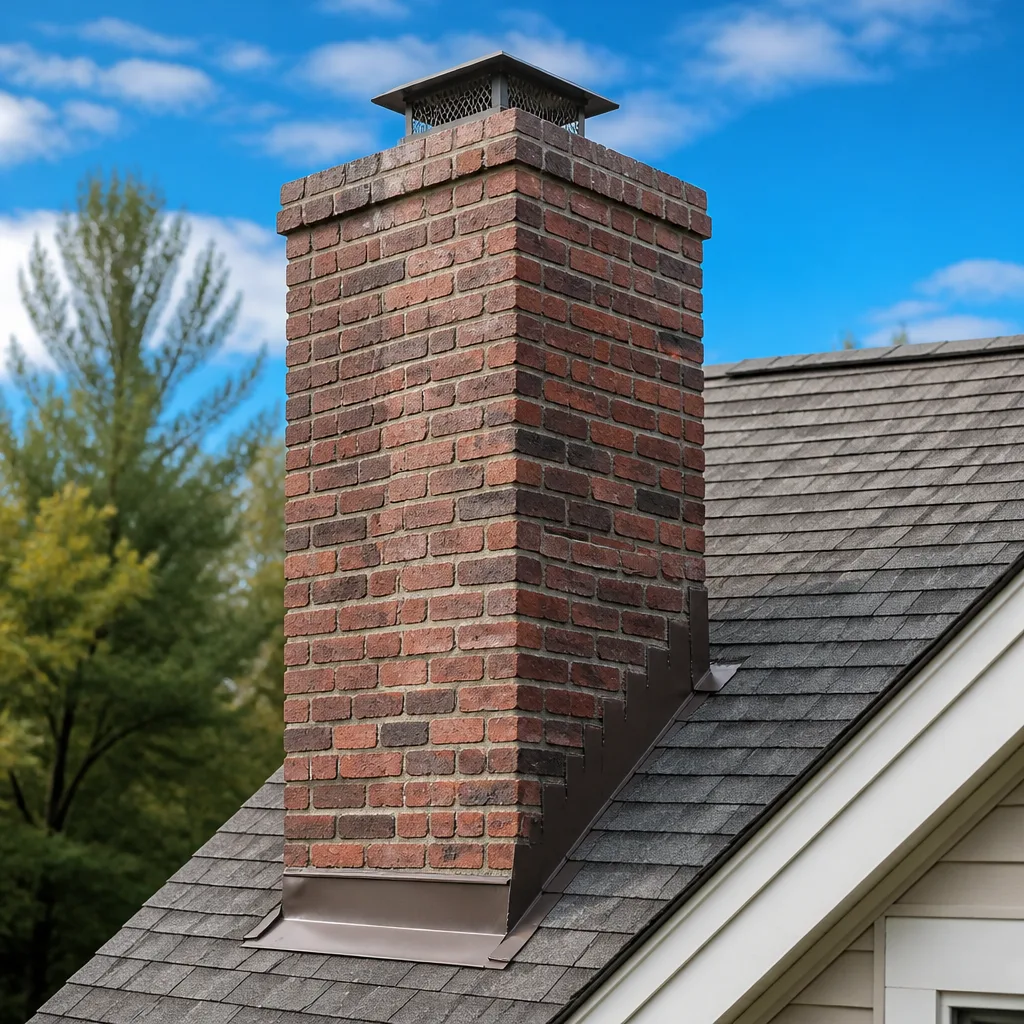 Masonry repair
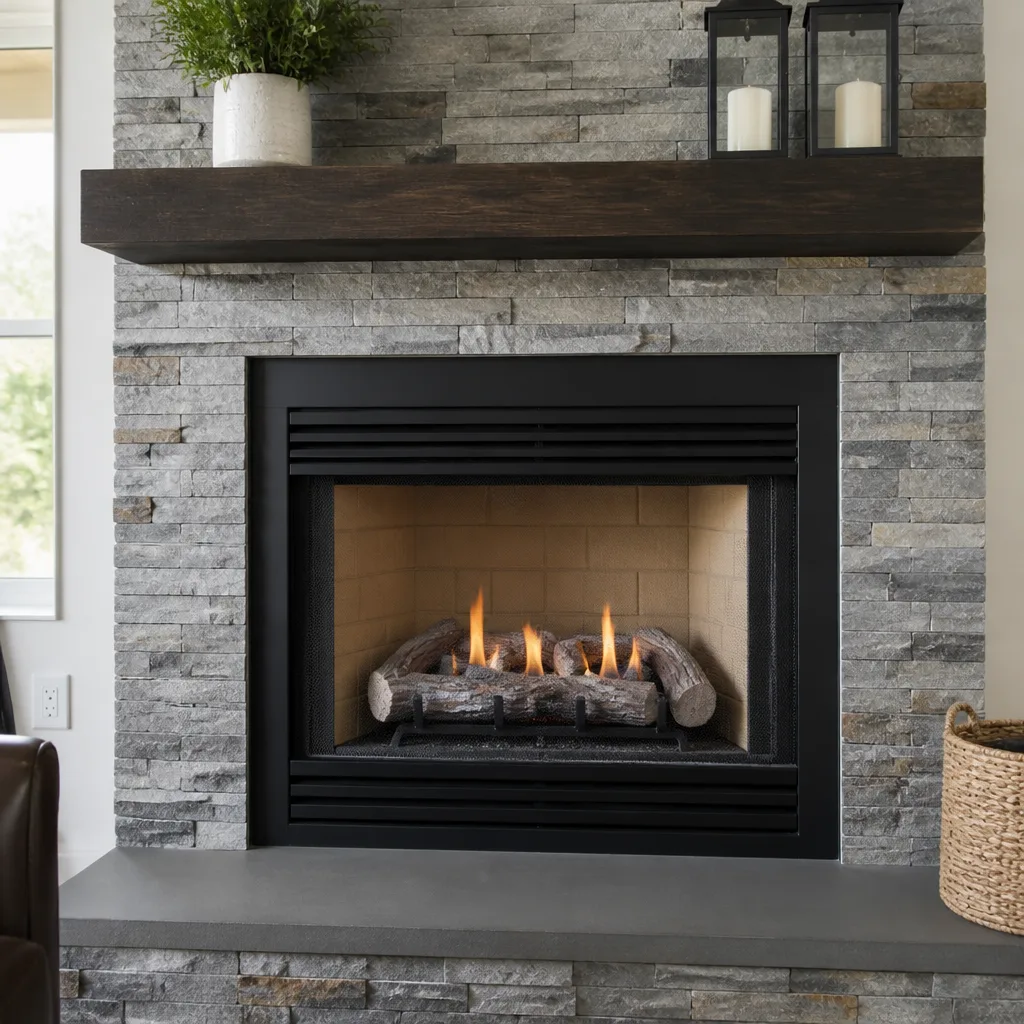 Gas fireplace service
Level 1 sweep and inspection to the NFPA 211 annual standard - flue, crown, cap, and flashing checked and photographed
Chimney sweep logs do not sweep chimneys. They loosen some creosote - which then falls where a brush and vacuum still have to collect it.
The Complete Guide to Chimney Cleaning in Kensington
Most homeowners treat a chimney sweep as a once-a-year errand: someone comes out, runs a brush through the flue, and leaves. That picture breaks down fast in Kensington, where many residential chimneys were built before modern flue liner standards existed, and where rowhouse walls are often shared between neighbors. A brush and a vacuum can’t tell you whether the clay tiles behind the soot are cracked, whether creosote has seeped into a shared wall, or whether a converted gas insert is venting correctly. Cleaning is one step in a larger system check. This guide covers what that check involves, how NFPA 211 inspection levels work, and the neighborhood-specific risks that generic cleaning guides skip.
Quick Answer
Chimney cleaning in Kensington should be more than a sweep. For pre-1960s rowhouses, a proper service visit includes a Level 1 or Level 2 inspection under NFPA 211 standards, a camera check of the flue liner, and a look at the cap, crown, and firebox, not just a brush down the chimney. The cleaning itself removes creosote and soot; the inspection is what catches structural problems before they become fire or carbon monoxide hazards. If your home has a converted gas insert or shares a flue wall with a neighbor, that inspection is the part that matters most.
Styles & brands we work with
- Sweep & inspection
- Caps & crowns
- Flue relining
- Masonry repair
- Gas fireplace service
Table of Contents
- Why Kensington’s Pre-1960s Rowhouse Chimneys Need a Full System Check
- Level 1, Level 2, and Level 3 Inspections: What Each One Covers
- How Shared Flue Walls in Attached Homes Create Creosote and CO Risks
- What a Full-System Chimney Specialist Checks That a Basic Sweep Skips
- Red Flags in Converted Gas-Insert Chimneys
- How Often Should You Schedule Chimney Cleaning in Kensington?
- What to Expect During a Chimney Cleaning Visit
- What Affects the Cost of Chimney Cleaning in Kensington?
Why Kensington’s Pre-1960s Rowhouse Chimneys Need a Full System Check
Kensington has some of Philadelphia’s oldest residential housing stock, and the chimneys in those rowhouses were often built before modern flue liner standards existed. That history creates problems a simple sweep can’t solve. Many of these chimneys originally vented coal or solid fuel and have been adapted over the decades for wood, gas, or oil. Each conversion leaves behind assumptions about the flue that may no longer hold.
Three structural realities show up again and again in Kensington homes:
- Unlined or parged flues. Older chimneys may have bare brick interiors or a thin parge coat rather than a properly sized clay tile liner. Soot hides the surface, so a brush-and-vacuum visit can leave cracks and gaps undiscovered.
- Oversized flues for modern appliances. A flue sized for a coal furnace is too large for a modern wood stove or gas insert, which affects draft and allows creosote and condensation to build up in places a brush won’t reach.
- Deteriorated mortar joints. Decades of heating and cooling cycles weaken mortar between bricks, particularly in chimneys that were never capped or waterproofed. Water gets in, freezes, and the joints spall.
Because so much of the inner chimney is hidden, a proper visit in Kensington starts with an inspection, not a brush. Our technicians have up to 9 years of experience working on exactly this kind of housing, and they’ll tell you plainly if your chimney is in better shape than you feared. If your home needs more than routine maintenance, we handle chimney repair as part of the same visit, so you aren’t handed off to another contractor mid-diagnosis.
Level 1, Level 2, and Level 3 Inspections: What Each One Covers
NFPA 211 defines three levels of chimney inspection, and knowing which one applies to your home prevents both overspending and missed hazards. Most Kensington homeowners need a Level 2 inspection at minimum, especially if the chimney has never been evaluated.
Level 1 Inspection
A Level 1 inspection covers the readily accessible parts of the chimney and venting system: the firebox, damper, smoke chamber, visible flue, and the exterior chimney above the roofline where it can be seen without tools. It’s appropriate for a chimney that’s in continued service with no changes to the appliance or fuel type. A routine annual cleaning visit typically includes a Level 1 inspection.
Level 2 Inspection
A Level 2 inspection includes everything in Level 1, plus a video camera scan of the flue interior and access to concealed areas through accessible attic or crawlspace openings. It’s required when a chimney changes ownership, when a new appliance is installed, when fuel type changes, or after a chimney fire or earthquake. Given how many Kensington chimneys have been converted over the years, we recommend Level 2 for any home where the chimney’s history isn’t well documented.
Level 3 Inspection
A Level 3 inspection is diagnostic and may require removing parts of the chimney or adjacent building materials to access concealed problem areas. It’s typically triggered by a Level 1 or Level 2 finding, such as a suspected hidden crack or a persistent draft problem that can’t be explained otherwise. Level 3 is uncommon in routine work, but it’s the right call when the evidence points to something behind the wall.
Ask which level your sweep is performing. If the answer is “we just clean,” that’s not an inspection.
How Shared Flue Walls in Attached Homes Create Creosote and CO Risks
Kensington’s rowhouse stock means many homes share structural walls, and those walls sometimes contain more than one flue. A flue serving your fireplace can sit directly beside a flue serving your neighbor’s heating appliance, separated by a masonry wythe only inches thick. That adjacency creates risks that freestanding-home guides never mention.
- Creosote migration through cracked masonry. Creosote is a byproduct of incomplete combustion. When the masonry between two flues is cracked or has eroded mortar, creosote and condensation can migrate from one flue into the other, contaminating a chimney that’s never been fired.
- Carbon monoxide crossover. If two flues share a compromised wall, exhaust from one appliance can enter the other flue and appear in a different part of the house. This is why CO detectors belong on multiple floors of a rowhouse, not just the level with the fireplace.
- Uneven draft. A flue that’s tighter than its neighbor pulls differently, especially during the transition between seasons. The result is a smoky fireplace or a gas appliance that back-drafts.
When we inspect a shared flue wall, we’re looking at the masonry boundary, not just the flue interior. A camera scan of one flue is only half the story. If you’ve ever smelled smoke in a room with no fireplace, that’s a signal to book an inspection rather than assume the smell is coming from outside. In our experience, this is the single most overlooked issue in Kensington rowhouse chimney work.
What a Full-System Chimney Specialist Checks That a Basic Sweep Skips
A sweep-only service cleans the flue. A full-system specialist works the whole assembly, top of the cap to the firebox floor, and treats each layer as something that can fail independently. Here’s what that broader check includes:
- The cap. A missing or damaged cap lets water, animals, and debris into the flue. It’s the single most common source of chimney water damage, and it’s cheap to correct before it turns into a crown or masonry problem.
- The crown. The crown is the concrete or masonry cap at the top of the chimney. Cracks in the crown channel rain into the chimney body, where freeze-thaw cycles widen the damage. We install and repair chimney cap & crown components as part of routine service.
- The flue liner. The liner is the protective barrier between flue gases and the chimney structure. A cracked or missing liner is a direct fire and CO risk. We work with DuraFlex and HeatShield liner systems so the material matches what the chimney actually needs rather than forcing one option on every home.
- The smoke chamber. Above the damper, the smoke chamber funnels smoke into the flue. Rough or corbelled masonry here creates turbulence and creosote buildup. HeatShield resurfacing addresses this without rebuilding the whole chimney.
- The damper and firebox. A damper that doesn’t seal wastes heat and lets cold air in. A firebox with spalled brick or open mortar joints needs repointing before the next fire.
- The exterior structure. Flashing at the roofline, the masonry above the roof, and the chimney’s relationship to the roof all factor into whether water is entering the assembly.
This is why we describe the work as one crew, every layer of your chimney system. A separate sweep, roofer, and mason means nobody owns the whole diagnosis. When a crack in the crown is feeding water into a compromised liner, you need one team to see both problems and order the fix correctly. We specify professional-grade materials, including Famco caps and Copperfield components, because your chimney vents fire. Built to last beats patched to pass inspection.
Red Flags in Converted Gas-Insert Chimneys
Many Kensington rowhouses have had a wood-burning fireplace replaced with a gas insert over the years. Some conversions were done carefully; others were not, and the difference shows up in the inspection. A gas insert changes the venting equation, and a chimney that worked fine with wood may not vent correctly with gas.
Watch for these red flags:
- No dedicated liner. Gas appliances produce acidic condensation that eats away at masonry and mortar. A gas insert vented into a bare or oversized flue without a properly sized liner accelerates that damage. A dedicated liner is not optional in most cases.
- Improperly sized flue. Gas flues need to be sized to the appliance. An oversized flue runs too cool, condensation forms, and the appliance may vent poorly.
- Abandoned wood-burning components. A damper left partly open, a firebox that wasn’t properly sealed, or old creosote that was never cleaned out before the conversion all create problems down the road.
- Mismatched termination. The cap or terminal at the top of the chimney has to match the appliance. A wood-era cap on a gas flue can obstruct venting or allow water in.
- No documentation. If you don’t have paperwork from the conversion, assume the venting needs verification. That’s what a Level 2 inspection is for.
If your home has a gas insert and you’ve never had the venting checked, an inspection will tell you whether the conversion is sound. It’s also the moment to ask about liner options. DuraFlex liners suit a range of appliance types and flue conditions, and HeatShield can resurface a damaged flue interior where full relining isn’t necessary.
How Often Should You Schedule Chimney Cleaning in Kensington?
The general industry rule is that a chimney should be inspected annually and cleaned when the creosote buildup reaches 1/8 inch. For most Kensington homeowners burning wood regularly through the heating season, that means a cleaning roughly once a year. Homes that burn occasionally may stretch to every other year, but the annual inspection still matters because it’s the only way to catch structural problems before they show up as smoke, water damage, or a draft that won’t draw.
Some circumstances call for a cleaning or inspection sooner:
- You’ve moved into a home and don’t know the chimney’s service history.
- The fireplace or stove has been converted to a different fuel type.
- You’ve noticed smoke rolling back into the room, a persistent smoky smell, or soot around the firebox.
- You’ve had a chimney fire, even a small one, or noticed a loud roaring sound from the flue.
- Water stains appear on the ceiling or chimney breast.
- You burn unseasoned wood or a lot of softwood, which produces creosote faster.
Kensington’s climate adds its own cycle: hot, humid summers followed by freeze-thaw winters work on masonry and mortar joints year after year. An annual inspection catches the small cracks before winter drives water into them. If fall arrives and you haven’t scheduled a sweep, that’s the moment to call.
What to Expect During a Chimney Cleaning Visit
A thorough cleaning visit looks different from a quick brush-and-go. Here’s the sequence we follow, and what you should expect from any sweep claiming full-system coverage:
- Set up protection. Drop cloths and a vacuum with a sealed HEPA filtration system keep soot out of your living space. If a company arrives without a proper vacuum setup, that’s a warning sign.
- Inspect before cleaning. The chimney is assessed before the brush goes in, because cleaning can hide or disturb what needs to be documented. Photos and notes matter here.
- Clean the flue. The brush size and technique are matched to the flue’s shape and lining material. A rotary brush on a fragile flue can cause more harm than good.
- Clean the firebox, smoke chamber, and damper. Soot accumulates in the smoke chamber above the damper. It’s part of the system and part of the cleaning.
- Check the cap and crown. With a camera or from the roof, the top of the chimney is inspected. Damaged caps and cracked crowns get flagged and, where appropriate, repaired during the same visit.
- Report findings with evidence. You should see the camera images and get a plain-language explanation of what’s actually wrong, what can safely wait, and what shouldn’t.
- Clean up. The work area should be left as clean as it was found. If debris or soot is left behind, the job isn’t finished.
If a report feels like a sales pitch, ask for the camera footage. Nothing gets recommended without evidence you can see. If your chimney needs a full rebuild rather than a cleaning, we’ll say so directly and explain why, but a lot of Kensington chimneys need far less than worried homeowners expect.
What Affects the Cost of Chimney Cleaning in Kensington?
There’s no single price for chimney cleaning in Kensington, because the job ranges from a straightforward sweep on a well-maintained flue to a full inspection-driven repair plan. The main factors that move cost:
- Cleaning type. A standard sweep versus a heavier creosote removal (third-degree creosote sometimes needs chemical treatment) changes labor time.
- Inspection level. A Level 1 is included in routine cleaning; a Level 2 with video scanning takes longer and may carry a separate cost.
- Access. Roof access, chimney height, and the condition of the roofline all affect how long the visit takes.
- Additional findings. A cracked crown, missing cap, or deteriorated liner adds parts and labor. This is where the estimate is set – per job, in writing, based on what’s actually found.
- Appliance type. A wood-burning fireplace, a wood stove, and a gas insert each require different cleaning and venting checks.
We give a written estimate before work begins, and the estimate is free. If a liner or rebuild is needed, we’ll lay out the options and the reasoning in the same visit. Call (855) 974-3360 for an exact quote. We answer 24/7, with fast dispatch from 7am to 7pm, Sunday through Friday.
Common Mistakes to Avoid
- Treating the sweep as the whole job. A brush-down without an inspection misses cracked liners and damaged crowns. In Kensington’s older rowhouses, the inspection is the more important half of the visit.
- Skipping the Level 2 when you’ve moved in. If you bought a home and don’t have records of the chimney’s history, a Level 2 inspection is not optional. It’s how you find out what you actually own.
- Ignoring the shared wall. Rowhouse flues share walls with neighbors. If smoke or a CO smell appears in a room with no fireplace, don’t assume it’s from outside. Get it inspected.
- Assuming a gas insert is “maintenance free.” Gas inserts produce acidic condensation that damages masonry over time. They need proper venting and regular inspection just like wood appliances.
- Letting a missing cap go unrepaired. A missing cap is the most common pathway for water intrusion, which is the leading cause of chimney deterioration. It’s also one of the cheapest fixes on the list.
- Burning unseasoned wood to save money. Wet wood produces more creosote, which means more frequent cleaning and a higher fire risk. Seasoned firewood is the cheaper choice over the long run.
- Accepting repairs without evidence. Any chimney company that recommends a liner or rebuild should show you the camera footage and explain what it means. If they can’t, get a second look.
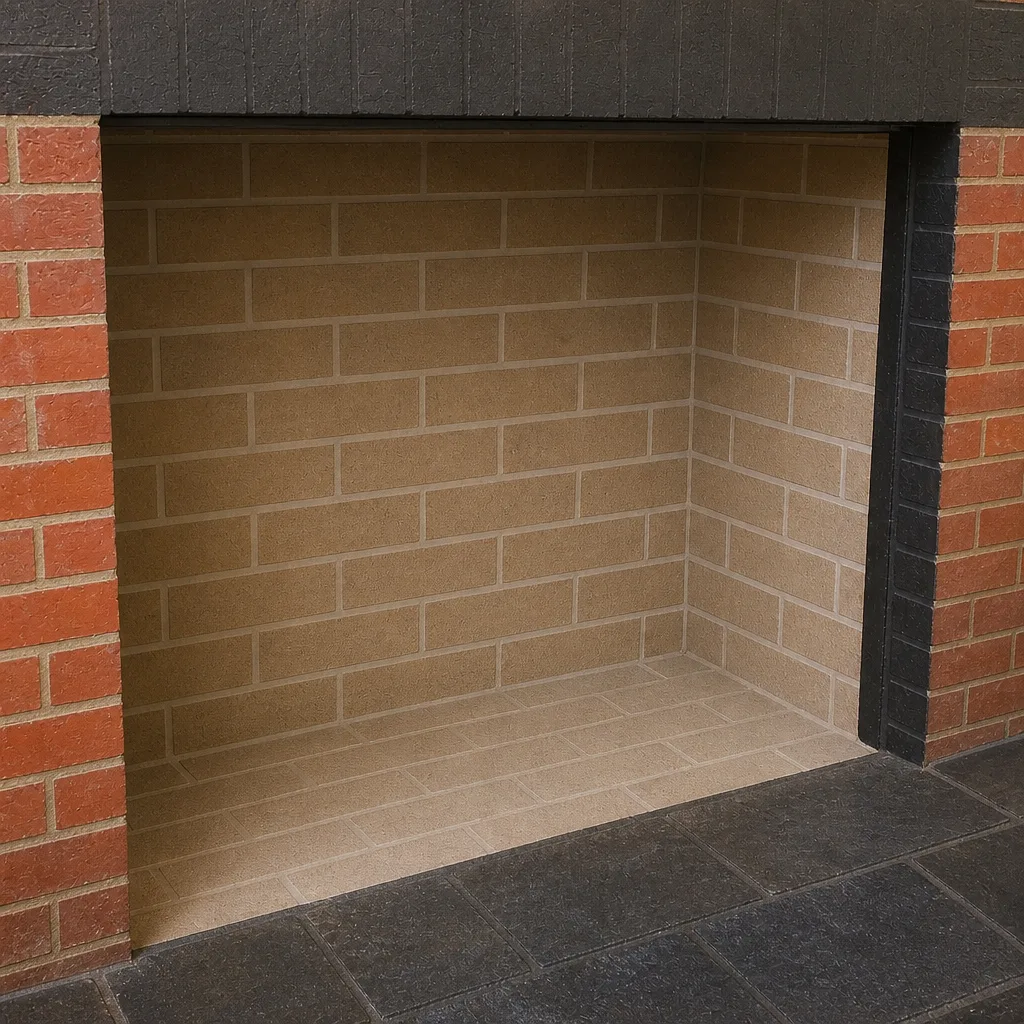
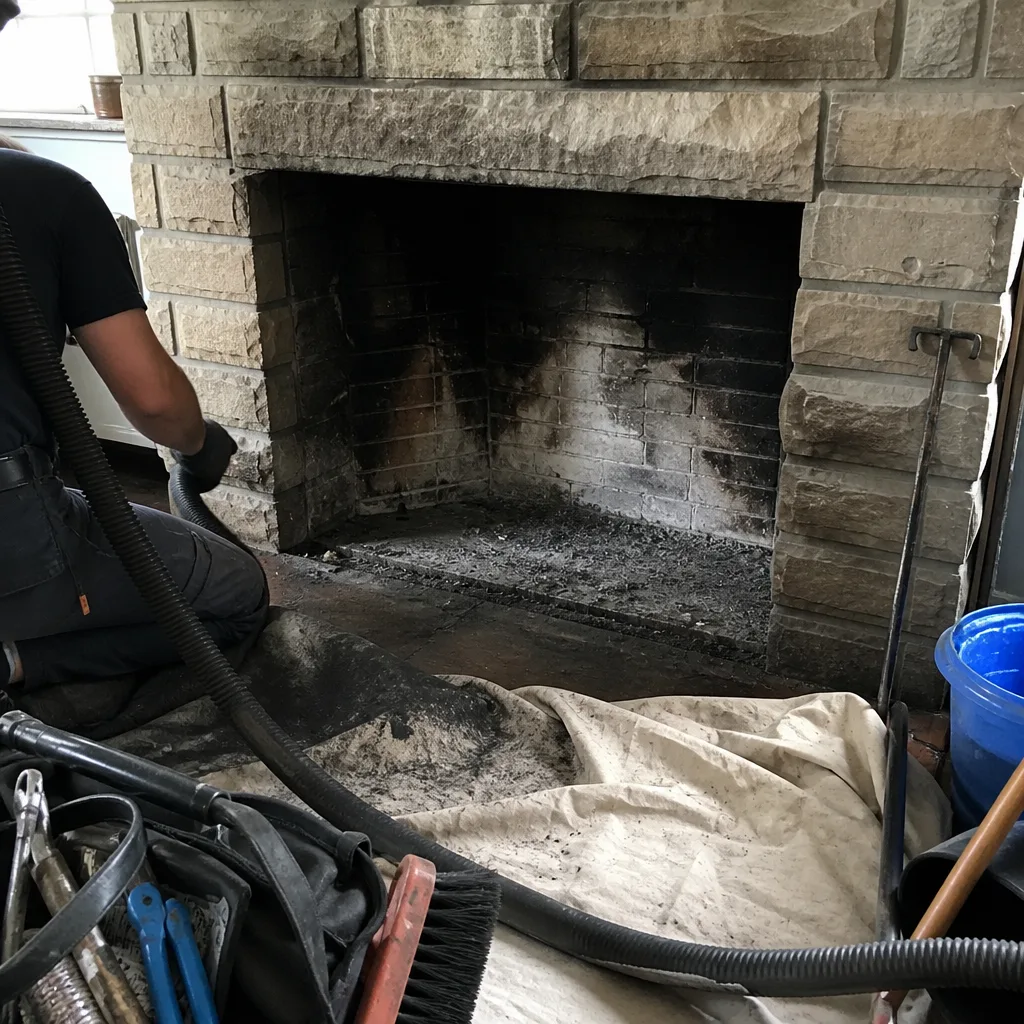
See the difference
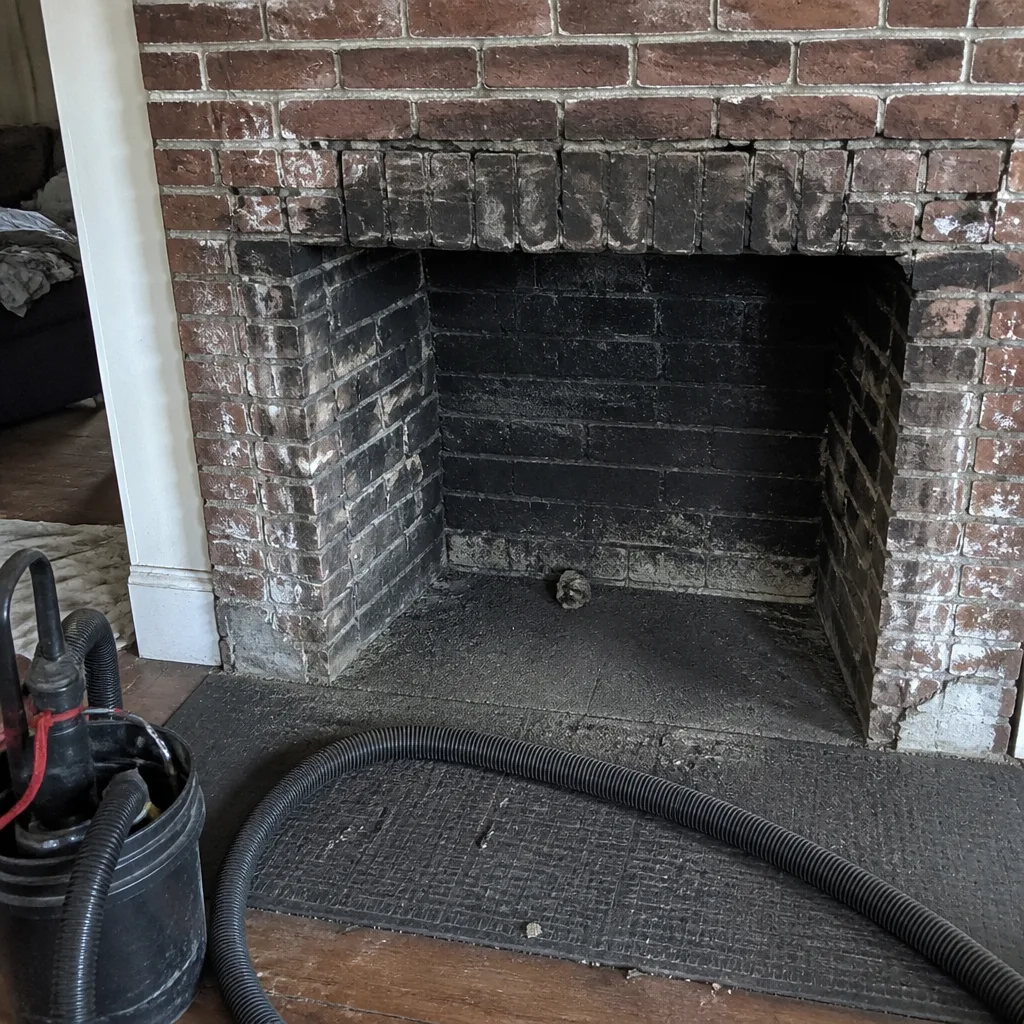 Before
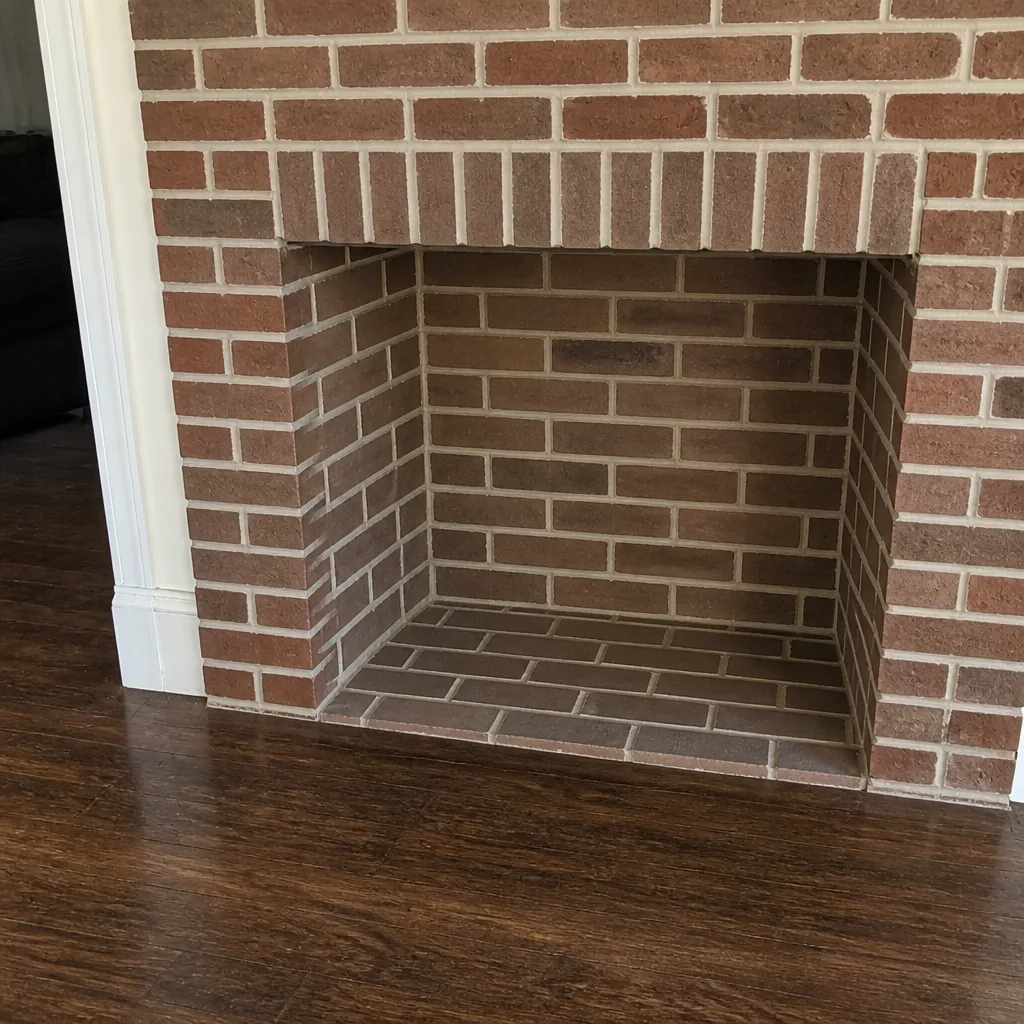 After
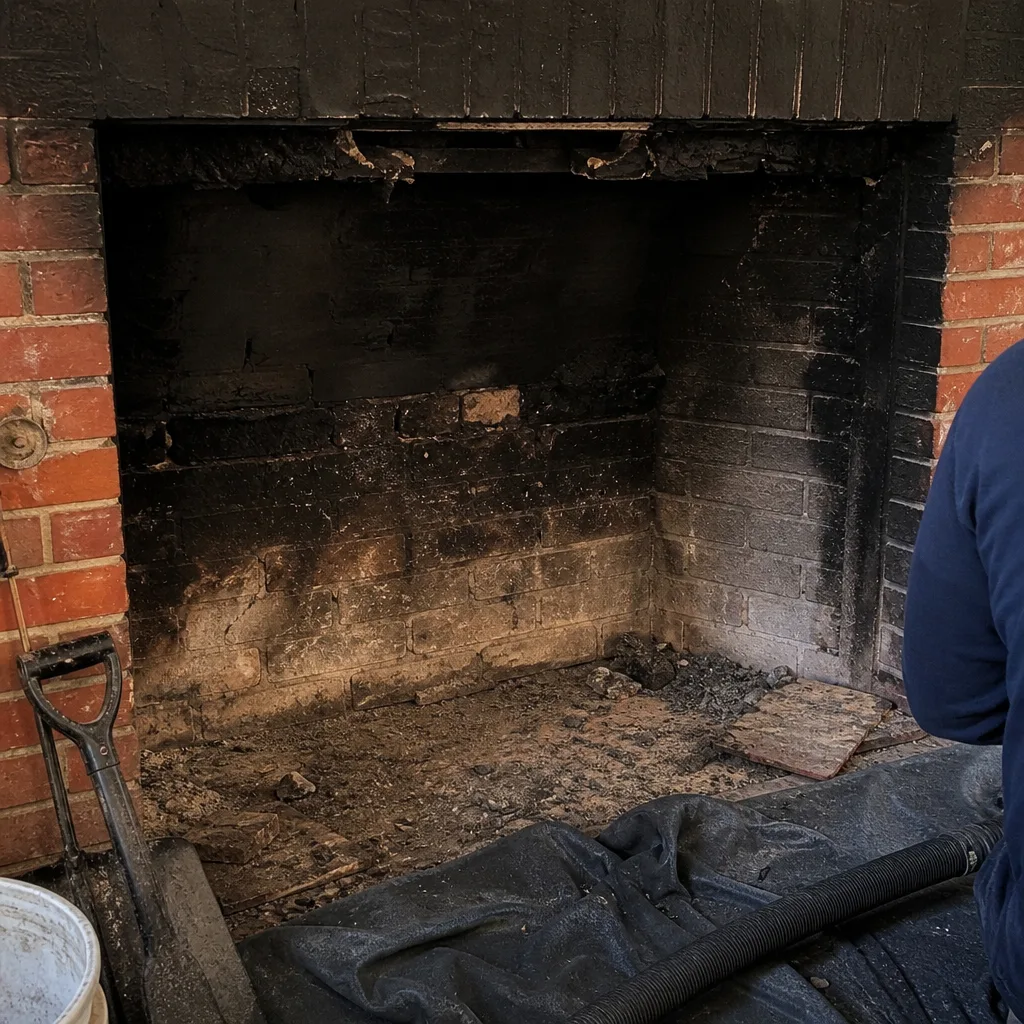 Before
 After
 Before
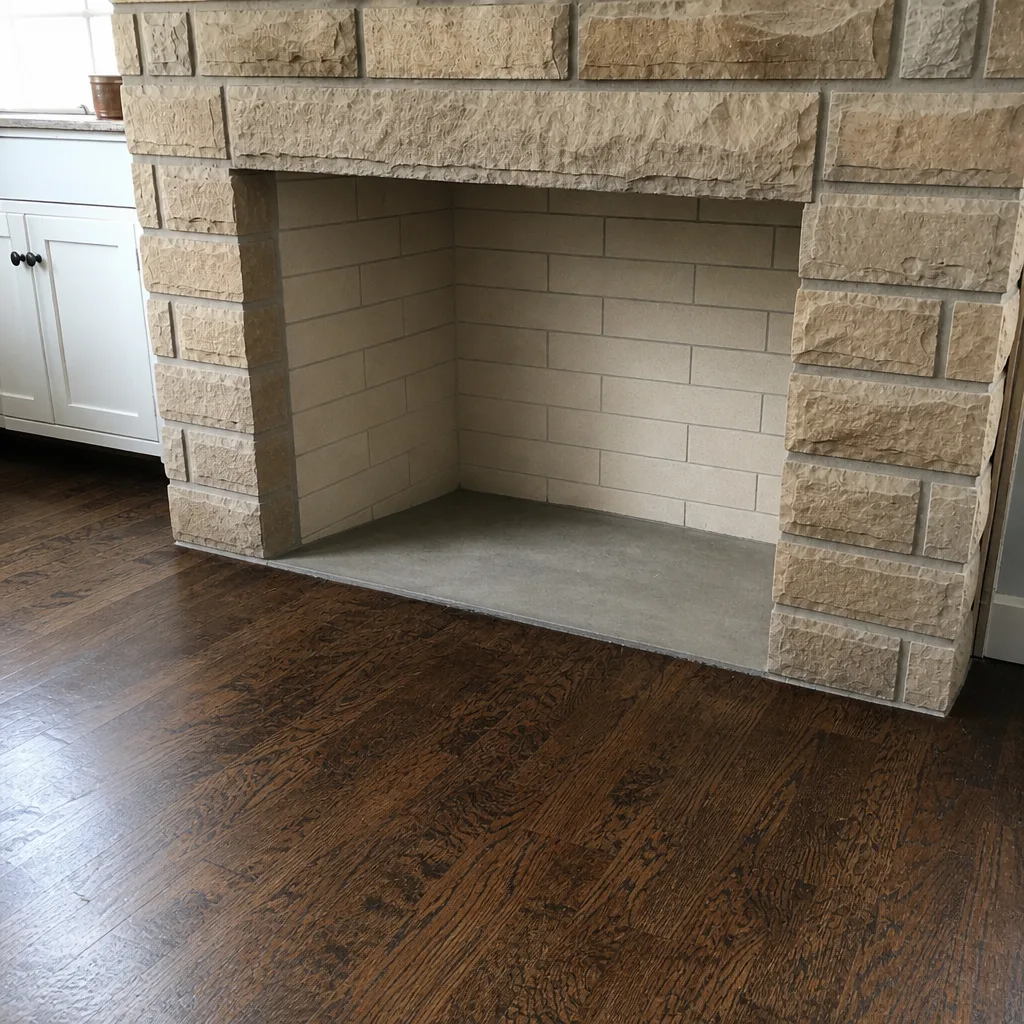 After
When to Call a Professional
Some chimney work is straightforward maintenance, and some is a safety call. Call a professional if you’re seeing any of these: smoke that rolls back into the room when you light a fire, a persistent smoky smell even when the fireplace isn’t in use, water stains around the chimney breast or ceiling, visible cracks in the chimney exterior or crown, a missing or damaged cap, or any suspicion that a flue liner is cracked. If you’ve had a chimney fire, even a small one, an inspection is warranted regardless of what the fire looked like. And if your home has been converted from wood to gas or vice versa, the venting should be verified before the next heating season. Chimney Sweep Kensington offers free estimates in Kensington. Call (855) 974-3360. We answer 24/7. Fast dispatch from 7am to 7pm, Sunday through Friday.
Frequently Asked Questions
The cost of chimney cleaning in Kensington depends on the type of cleaning, the inspection level, and whether any damage is found. A routine sweep typically costs less than a sweep combined with a Level 2 video inspection, and any repair findings are quoted separately in writing. The estimate is free, and the final price is set by the written estimate before work begins. Call (855) 974-3360 for an exact quote.
Not automatically. A liner is recommended only when the camera inspection shows cracking, gaps, deterioration, or a mismatch between the flue and the appliance. Plenty of Kensington chimneys have sound liners and need only regular cleaning. HeatShield resurfacing can sometimes repair a damaged flue interior where full relining isn’t necessary, so you get the right fix rather than the most expensive one. Ask to see the footage before you decide. Call (855) 974-3360 to schedule an inspection.
Once a year for most homes that burn wood regularly, and at minimum whenever creosote buildup reaches 1/8 inch. Even if you burn occasionally, the annual inspection is what catches crown, cap, and liner problems before they get expensive. In Kensington’s older rowhouses, an annual visit is the cheapest form of preventive maintenance available. Call (855) 974-3360 to get on the schedule.
Creosote accumulates with every fire, and at sufficient thickness it can ignite, causing a chimney fire that can damage the flue and spread into the structure. A blocked or deteriorated flue can also allow carbon monoxide to enter living space instead of venting outside. The risk builds slowly, which is exactly why it’s easy to overlook. A cleaning and inspection catch the buildup while it’s still a maintenance problem rather than an emergency. Call (855) 974-3360 for a free estimate.
It can be, if the masonry between the flues is cracked or has eroded mortar. In that case creosote and exhaust can migrate from one flue into another, which is a fire and carbon monoxide concern. A full-system inspection looks at the shared wall, not just your own flue. If you’ve noticed smoke or a CO smell in a room with no fireplace, book an inspection. Call (855) 974-3360.
A sweep cleans the flue. An inspection evaluates the whole system: cap, crown, liner, smoke chamber, damper, firebox, and exterior masonry. NFPA 211 defines the levels, and most Kensington homeowners should have at least a Level 1 inspection during a routine visit, with a Level 2 if the chimney’s history is unknown or the appliance has changed. We perform both in the same visit. Call (855) 974-3360 for a free estimate.
The Bottom Line
Chimney cleaning in Kensington is really system inspection with a cleaning built in. The sweep removes soot and creosote, but the inspection is what protects your home: it finds the cracked crown, the damaged cap, the failing liner, and the shared-wall problem that a brush alone will never detect. Pre-1960s rowhouses need that level of attention because so much of the chimney is hidden, and conversions to gas inserts add their own venting requirements. If you take one thing from this guide, take this: ask what level of inspection your sweep performs, ask to see the camera footage, and don’t accept a repair recommendation without evidence. The right material for your chimney’s condition beats a one-size-fits-all upsell every time. When you’re ready to schedule, call (855) 974-3360 for a free estimate. We answer 24/7, with fast dispatch from 7am to 7pm, Sunday through Friday. For routine maintenance, a chimney sweep starts the process; for anything structural, we handle the whole assembly from the Chimney Sweep Kensington team.
Written by the team at Chimney Sweep Kensington.